

Venetian Glass Escape Ban
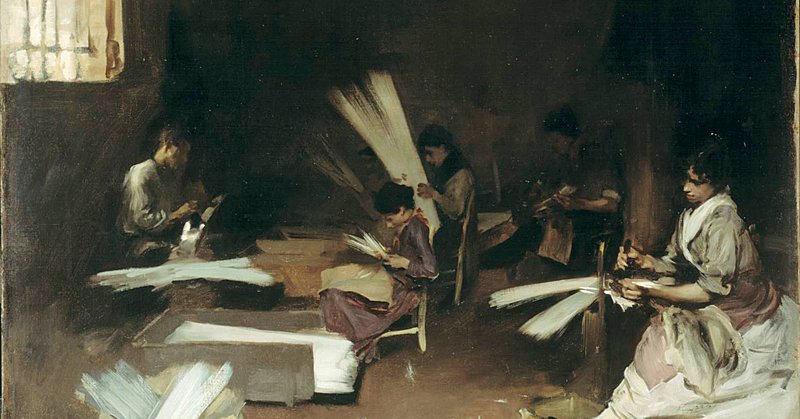
51. Medieval Venetian glass was so successful and secretive that glassmakers were forbidden from leaving the city. Those who ignored the orders were punished with death.
52. In the middle ages in Europe, using a fork instead of hands while eating was regarded as unchristian and insulting to God.
53. In medieval times “cat-burning” was an accepted practice that was believed to bring good luck. It was customary to burn a barrel full of live cats over a bonfire while people shrieked with laughter as they singed and roasted them. French Kings often watched it and even ceremoniously lit the fire.
54. In the middle ages, some kings wore clothes made from “Salamander fur” that were completely fire-proof and bright white. The name probably came from the common belief that Salamanders were “born from fire”. The clothes were actually made out of asbestos.
55. A medieval salve made out of wine, garlic, onion, and oxgall was placed in a brass vessel for nine nights to become an antibiotic. The resulting solution has been found to be potent against MRSA.
56. When Medieval monks fasted for religious reasons, they sometimes drank plenty of beer instead of eating food because drinking did not count as “food.”
57. In the Middle Ages, a rose hanging from the ceiling of a room meant that anything spoken in that room became a secret.
58. In Medieval England, villagers mutilated the dead to prevent them from rising up. They feared the dead returning so much that they chopped, smashed, and burned the bodies to ensure they stayed in their graves.
59. In the Middle Ages, Knights in full harness (full plate armor) could, contrary to popular belief, move quite well and were still agile enough to climb, run, roll, and wrestle with little difficulty.
60. In the Middle Ages, interrogators used a torture device called a Nuremberg Plate to spin prisoners around until they confessed.






Add Comment