

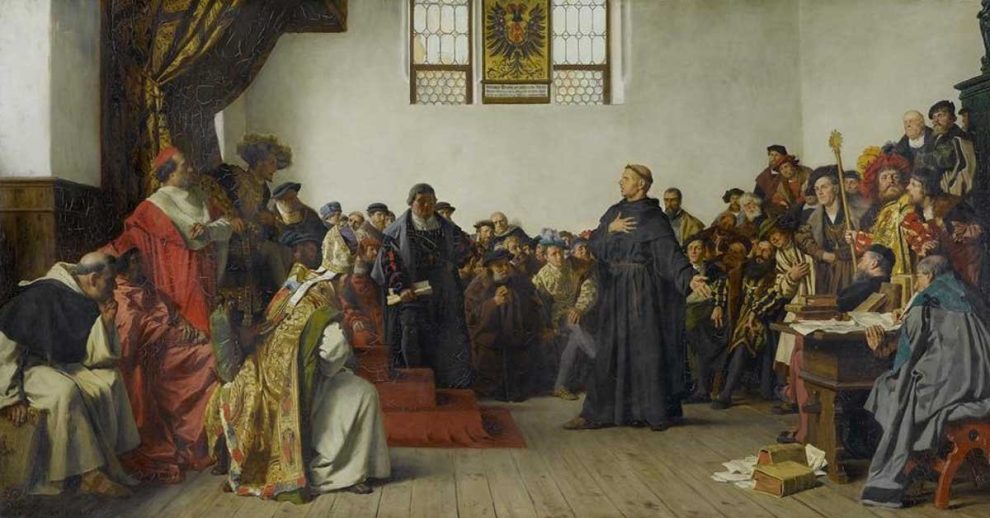
The 1200s were packed with ambitious kings, brutal wars, religious conflicts, strange customs, and surprisingly advanced ideas. These 35 facts offer a fascinating glimpse into just how dramatic and unpredictable life in the 13th century could be.
Bloodless Burial Triumph
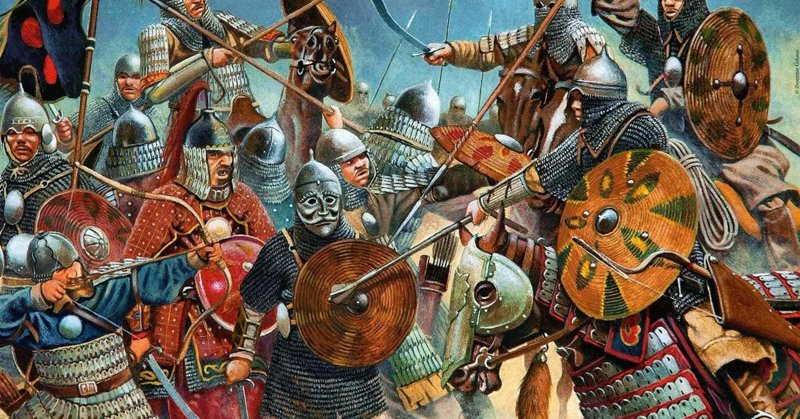
1. In 1223, the Mongol hordes carried out the traditional punishment reserved for nobility, killing the recently conquered Kievan nobles without shedding blood. They were buried and suffocated under the Mongol general’s victory platform at the victory feast.
2. According to legend, the Danes were losing the 1219 Battle of Lyndanisse to the Estonians until Archbishop Anders Sunesen prayed with his hands raised upward. The Danes then won the battle after a Danish flag fell down from the sky.
3. In 1209, a student at Oxford University apparently killed a woman and ran away. In retaliation, the townspeople hanged three students. The school suspended operations and the faculty all feared the mob. Many of the facilities then moved to Cambridge and founded a new university there.
4. During the Papal election of 1292-1294, a hermit named Pietro de Morrone wrote a letter to the cardinals warning that God would punish them if there was any more delay. The cardinals then chose de Morrone as Pope Celestine V and sent for him. He at first refused and tried to flee.
5. In the 1200s, Arab inventor al-Jazari made several humanoid robots, including a drink-serving “waitress”, a hand-washing automaton, and a programmable music-playing robot band.
6. When Edward I, King of England annexed Wales in 1277 A.D., he promised that his son and heir to the throne would be Welsh. This is why the heir apparent in the UK is always titled “Prince of Wales” before taking the throne.
7. On July 31st, 1200/1201, John Komnenos the Fat, a Byzantine noble, attempted to seize the imperial throne. When he sat on the throne, it collapsed beneath his weight, and he was captured and executed that same day.
8. Mathematician Ramon Llull, who discovered ether in 1275, became a Franciscan monk after he tried three times to write a dirty poem and saw a vision of Christ each time.
9. King Louis IX, who died in 1270, is the only French monarch honored as a saint. He invited beggars to dine with him at his table every day and replaced trial by combat with evidence-based trials.
10. The papal conclave in 1241 lasted two months, during which the urine of the rooftop guards leaked into the election chamber, and one of the candidates was allegedly poisoned. The pope who was finally elected died 17 days later, probably of dysentery contracted during the previous weeks.
Béziers Siege and Massacre
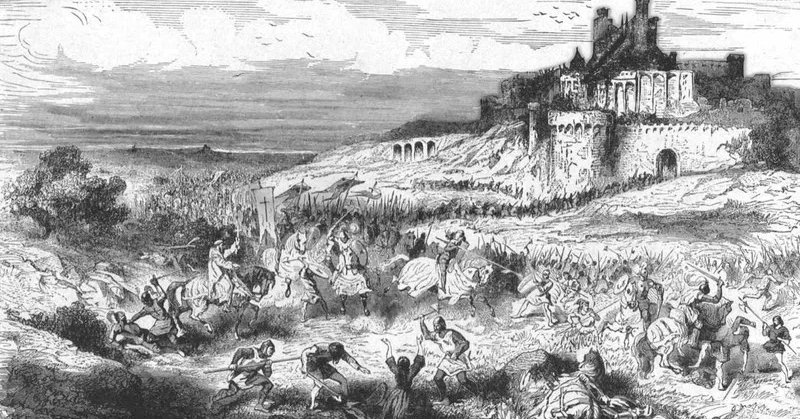
11. In 1209, crusaders were dispatched to besiege Béziers in France because many of its citizens had become heretics. Before the assault, the army asked the Pope’s ambassador how to tell heretics apart from Catholics. He answered: “Kill them all; let God sort them out.” All 20,000 inhabitants were killed.
12. In 1241, a Mongol general named Subotai destroyed the armies of Hungary and Poland within two days of each other, with forces over five hundred kilometers apart.
13. When Edward I of England was returning from the ninth crusade in 1272, he learned that his father had died and that he had been made king of England. Rather than going home to be crowned, Edward took a relaxed journey through Italy and France for almost two years and only came back in 1274.
14. The Papal election of 1268-71 was the longest in history. It lasted so long that the cardinals were sealed in, their rations were cut to bread and water, the roof of their hall was taken off, and 3 died of old age. The new Pope altered the rules to prevent it from happening again, creating the Conclave.
15. In 1277, Pope John XXII was so concerned about the discovery of the laws of nature that he declared them a heresy. Later that year gravity visited him, when the roof of the palace collapsed, killing him.
16. In 1254 A.D., Mongol Khan, the grandson of Genghis Khan, organized a formal religious debate between teams of Christians, Muslims, and Buddhists. The debate continued for multiple rounds on a range of theological subjects until the participants became so drunk that it ended without any clear winner.
17. The Statute of Marlborough 1267 is the oldest law still enforced anywhere in the world. It forbids seeking damages without a court order in England and Wales and is still used to prosecute people to this day.
18. The 4th crusade from 1202-1204 A.D. was commissioned to reclaim Jerusalem from Muslim control and bring down the Egyptian Sultanate, but all they managed to accomplish was sacking Christian-controlled Constantinople and getting excommunicated.
19. During the sack of Kyiv in 1240 by the Mongols, only two thousand of the city’s fifty thousand residents survived, and only six of an original forty buildings were left standing; however, Voivode Dmytro, the commander in charge of the city’s defenses, was shown mercy because of his bravery.
20. In 1275, the theft of a cow by a peasant led to a war (Guerre de la Vache) that resulted in 15,000 deaths on the territory of present-day Belgium.
Quakes Fail To Topple Pisa
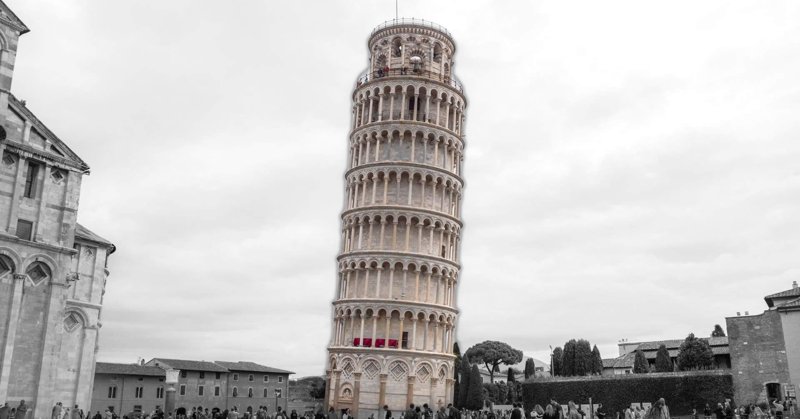
21. In 1280, Pisa was struck by a chain of earthquakes that were thought to endanger the tower; nevertheless, it stayed standing. Researchers later found that the soil, which caused its lean, also shielded it from the quakes by absorbing the shock of the tremors.
22. In 1292, the Mongolians set out on a failed invasion of Java because a Javanese king named Kertanegara of Singhasari was insulted by Men Shi’s proposal and marked his face with a hot iron as was done to common thieves, cut his ears, and contemptuously sent him away.
23. A religious debate between a friar and a rabbi took place in 1263 before King James I of Aragon, who eventually gave the rabbi 300 gold coins, stating he had never heard “an unjust cause so nobly defended.”
24. In 1204 A.D., King Phillip of France tried to besiege Chateau Gaillard. After months of unsuccessful efforts, his army discovered a weak point in toilet chutes. They climbed up through tunnels of sewage and managed to break through the second wall, which later resulted in the castle’s surrender.
25. In 1255, Henry III of England received an elephant from Louis IX of France. It died in 1257 after being fed a steady diet of prime beef and red wine.





Add Comment