

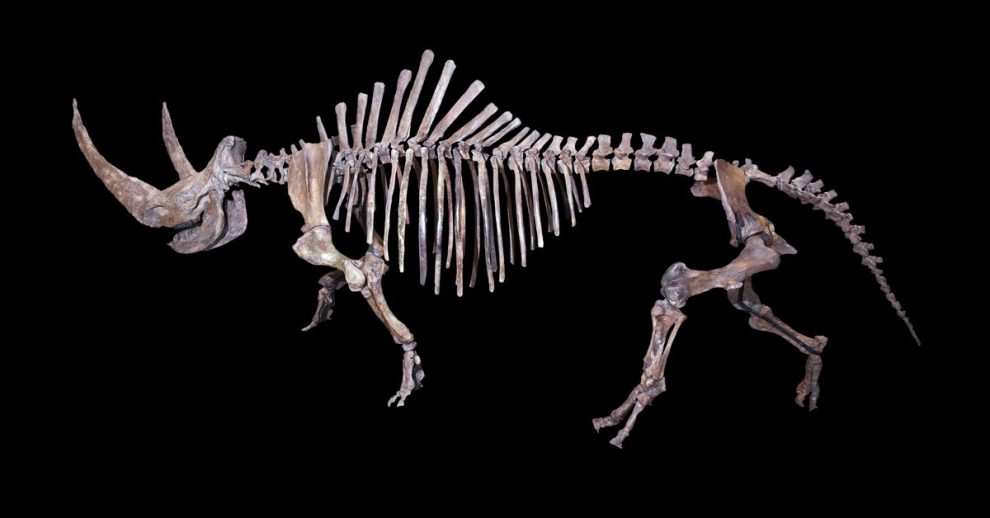
Fossils preserve far more than dinosaur bones, revealing ancient animals, early humans, lost ecosystems, and some truly unusual discoveries. These 50 facts offer a fascinating glimpse into the strange and often surprising history of life on Earth.
Spinosaurus Fossil Record
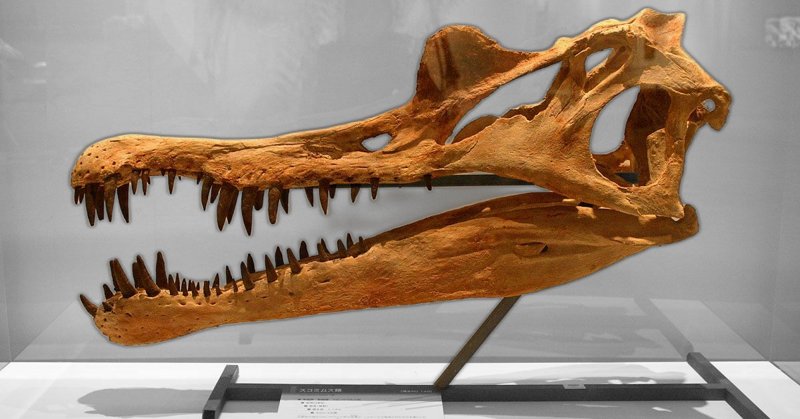
1. Six fossilized specimens of the semiaquatic Dinosaur Spinosaurus were found, with two species identified as Spinosaurus aegyptiacus and Spinosaurus maroccanus. One specimen was destroyed in the 1944 Bombing of Munich, but detailed notes still exist. Spinosaurus is one of the largest carnivorous dinosaurs.
2. There is a dinosaur species named the “Irritator”. The paleontologists who gave it that name were annoyed because illegal fossil dealers had badly damaged its skull.
3. Newly found fossils indicate that moths and butterflies have existed on Earth for at least 200 million years, while flowering plants appeared about 130 million years ago. Butterflies lived for 70 million years without flowers.
4. In Antarctica, scientists recently discovered fossil fragments from 13 trees that are more than 260 million years old, which means this forest was growing at the end of the Permian Period, before the first dinosaurs. At that time, Antarctica was still at the South pole.
5. In 2016, a 99-million-year-old Daddy Longlegs was found fossilized in amber, and it had a penis that grew to nearly half of his body length when it was erect.
6. Helicoprion is a genus of extinct sharks whose fossil specimens show spirally arranged clusters of the individuals’ teeth called “tooth whorls” that look like our modern circular saw blades. The shark’s blade, attached to cylindrical muscle tissue, would tear prey into small, bite-sized pieces.
7. Scientists have identified a 20-foot tall fossil in Saudi Arabia as a giant mushroom that went extinct more than 350 million years ago. It was likely the largest organism in the world at the time.
8. Several Homo Naledi fossils, discovered in a cave in South Africa, appear to have been placed there, but this is almost 200,000 years before such activity has been documented in the Homo genus before.
9. The earliest known modern human fossils found outside of Africa were in Apidima Cave, in Southern Greece. These fossils are somewhere between 170,000 and 210,000 years old.
10. A broken humerus of a giant fossil sea turtle (Atlantochelys mortoni) was found in New Jersey in 1849. In 2012, another broken humerus was discovered, and it was found to be the other half of the exact same bone found 163 years prior.
Megalosaurus’s Unfortunate First Name
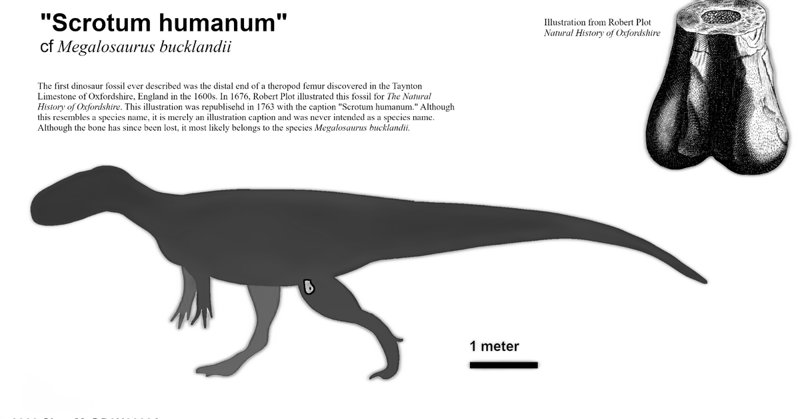
11. Megalosaurus, a large meat-eating dinosaur, was first given the name “Scrotum Humanum” because its original fossil resembled a human nutsack.
12. 75% of mammoth fossils are male, because “male mammoths—young, reckless, foolhardy—were just more likely to get into some kind of trouble and die, from getting stuck in a pit to running afoul of hunting humans.” The tar pits, bogs, crevices, and lakes preserved remains well.
13. Gigantopithecus blacki was the largest ape ever recorded. Its first fossils were uncovered after a pharmacist in Hong Kong put them on sale as “dragon bones/teeth.” It is estimated that they weighed between 300-500 kg and reached 3 meters in height.
14. The most expensive fossil ever sold was Sue the T-Rex. It is a 40-foot 80% complete specimen which was discovered in South Dakota in 1990. She was sold at an auction to Chicago’s Field Museum for $7.6 million.
15. Hummingbirds are only found in the Americas (and not in the rest of the world), but the oldest known hummingbird was actually a fossil collected in Germany.
16. In 2014, researchers in Antarctica uncovered the preserved fossil of a 37 million year old “Mega Penguin” that stood over 6 feet tall and weighed in at over 250 lbs.
17. The myth of the Thunderbird in indigenous folklore may come from pterosaur fossils discovered by Native Americans.
18. Wadi Al-Hitan a.k.a. Whale Valley, which is located in the western desert of Egypt, contains the fossilized remains of whales that reveal their evolution from life as a land-based animal to becoming an ocean-going mammal.
19. A well-preserved fossil was discovered in China of a dinosaur called the Zhenyuanlong suni, now the largest-known dinosaur with wings. A University of Edinburgh paleontologist called the dinosaur a “fluffy feathered poodle from hell.”
20. Paleontologists have discovered fossils of “Machimosaurus rex,” a prehistoric crocodile that would have been the size of a bus, at 30 feet long and weighing 3 tons. With a skull over 5 feet long, it would have been the world’s largest sea-dwelling crocodile.
Triceratops Fossils Locked Away
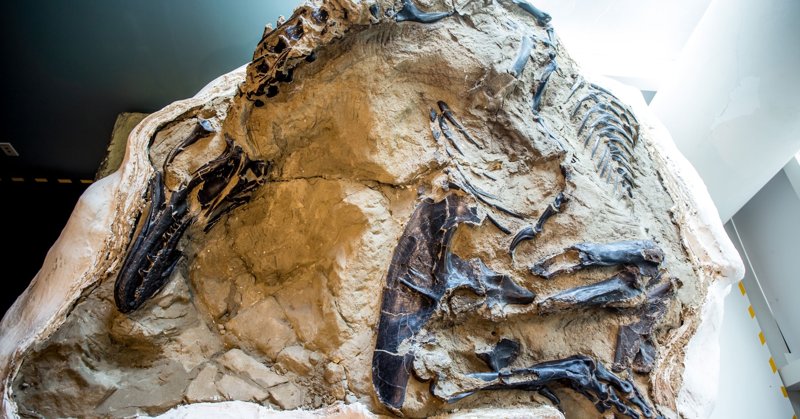
21. Dueling dinosaur fossils showing a Triceratops and juvenile T-Rex battling to death had not been available to paleontologists for 13 years after their discovery because of a legal battle between the landowners and the excavation team.
22. A strange fossil animal from Petrified Forest National Park called Kraterokheriodon, which is known only from a single tooth, is so unusual that it cannot be classified as belonging to any kind of animal.
23. A fossil rhinoceros skull was discovered in a gravel pit in Klagenfurt, Austria, in 1335, and was believed to be a dragon. In 1590, the fossil skull was used to create a dragon statue that has been called the world’s first paleontological reconstruction.
24. The Bonn-Oberkassel dog is the oldest undisputed dog fossil, and it is over 14000 years old. Pathology of the remains shows that the dog was sick and would not have been able to survive without intensive human care.
25. Homo erectus stood at about 1.79 meters (5’10”). Only 17% of modern human men are taller. Its fossils were the oldest known early humans to have had modern human-like body proportions, and it is the longest-lived human species, having lived around 9 times as long as our own species, Homo Sapiens, has existed.








Add Comment