

Gold Reserves Shifted
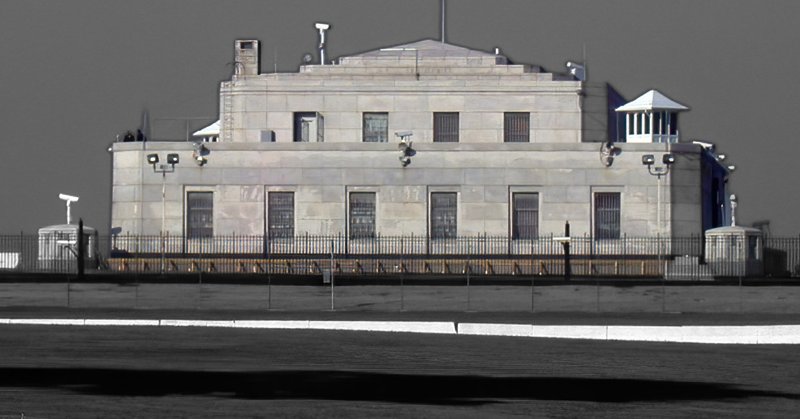
26. During World War 2, many countries sold off most of their gold and foreign investments to pay for the war. By 1947, United States had accumulated 70% of the world’s gold reserves.
27. During World War 2, an inexperienced German aircrew read their compass upside down and unknowingly landed in RAF Woodbridge. The plane gave the allies invaluable info about the German radar system.
28. The autistic spectrum and the distinction between “high functioning” and “low functioning” autism were discovered by Hans Asperger in an attempt to save children in his clinic from the Gestapo during World War 2, who killed disabled children in preparation for the Holocaust.
29. During World War 2, American pilots flew P-51 Mustangs in very long-range missions operating from the island of Iwo Jima. These 7+ hour missions involved flying 3 hours across the open Pacific to targets in Japan and then 3+ hours return flight. Threats included bad weather, flak, enemy planes, etc.
30. During World War 2, when the allies lost the battles of the Java Sea and the Sunda strait, HNLMS Abraham Crijnssen evaded Japanese aircrafts by camouflaging itself with jungle foliage giving it the appearance of a small island. It was the only one of three ships to escape Java.
31. During World War 2, the USA put in place a nationwide “Victory Speed Limit” of 35 mph to save gasoline and rubber for the war effort.
32. Methamphetamine was marketed during World War 2 under the brand name Pervitin. All branches of the Wehrmacht forces of the Third Reich used it for its “stimulant effects and to induce extended wakefulness.”
33. During World War 2, the Japanese forced American and Filipino soldiers to walk 96.6 km or 60 miles. They endured physical abuse and were given little to no food and water. Because thousands of soldiers died, it is called the “Bataan Death March.”
34. Mariya Tsukanova served as a Soviet medic during World War 2. She saved dozens of lives, then picked up a machine gun and fired it until injuries made her lose consciousness. Outnumbered, she was brutally tortured and executed by the Japanese. She was named “Hero of the Soviet Union” posthumously.
35. During World War 2, soldiers kept photos of their loved ones under clear grips on their pistols. These were called “sweetheart grips,” and soldiers made them themselves from plexiglass salvaged from downed aircraft.
Iron Cross Rejected by Finns
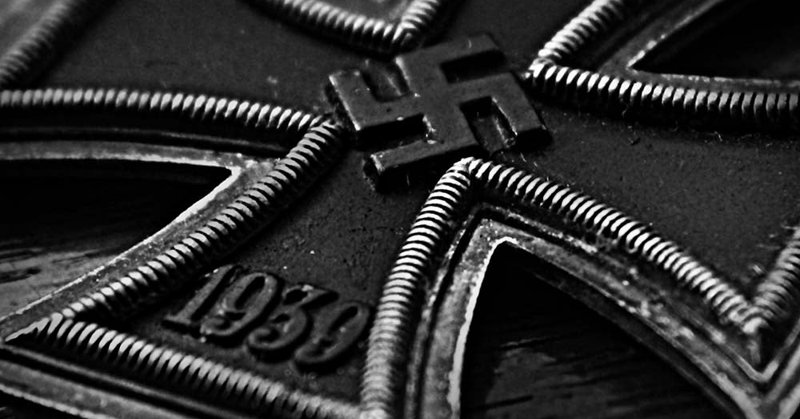
36. During World War 2, Nazis offered the Iron Cross to 4 Finnish Jews, and none of them accepted it. For instance, Leo Skurnik received the Iron Cross for evacuating a German soldier under enemy fire. Major Skurnik told the Germans that he would “wipe his arse with the medal.”
37. Some of Germany’s most important decisions during World War 2 could not be made because Hitler was asleep, and he liked to sleep until noon. During the D-Day invasion, German officers could not get any further command from Hitler because they had strict orders not to wake him for any reason.
38. More than 800,000 women served in the Red Army during World War 2, and a significant share of them served in combat roles. They included female snipers, machine-gunners, anti-air gunners, tank crews, and even pilots, and some bomber regiments were made up entirely of women, including the ground crews.
39. During World War 2, Allied submarines often lay on beds of pistol shrimp to stay hidden. The shrimp’s snapping sound was so loud that it kept the submarines from being detected by Japanese sonar.
40. After World War 2, the Allies found detailed plans for a Sun Gun by the Nazis. It was planned by the well-known Nazi scientist Hermann Oberth, and it was a mirror 1km in diameter attached to a space station that would burn cities and evaporate oceans, with an estimated build time of 15 years. He later joined NASA.
41. The Amber Room was a priceless work of art containing over 6 tons of amber. It was once regarded as the 8th Wonder of the World. The entire room went “missing” during World War 2.
42. During World War 2’s “Battle for Britain,” the British Home Guard were so short of equipment that many volunteers got neither weapons nor uniforms, and many made do by improvising shotguns and explosives.
43. Australia had ‘internment camps’ during World War 2 (and World War 1) where almost 7000 people of Italian, German, and Japanese origin were detained in some of the remotest parts of Australia. They also included 1500 British National of German descent or part of radical nationalist organizations.
44. Only 91 of the 3,175 animals at the Berlin Zoological Garden survived World War 2. In the first 15 minutes of an allied bombing raid in November of 1942, 30% of the zoo’s population was killed. Of eight elephants, only one survived.
45. Bhagat Ram Talwar was an Indian spymaster codenamed “Silver.” He was essentially the only known example of a QUINTUPLE agent, having spied for Germany, Italy, Japan, USSR, and Britain during World War 2.
Stalin’s War Reply
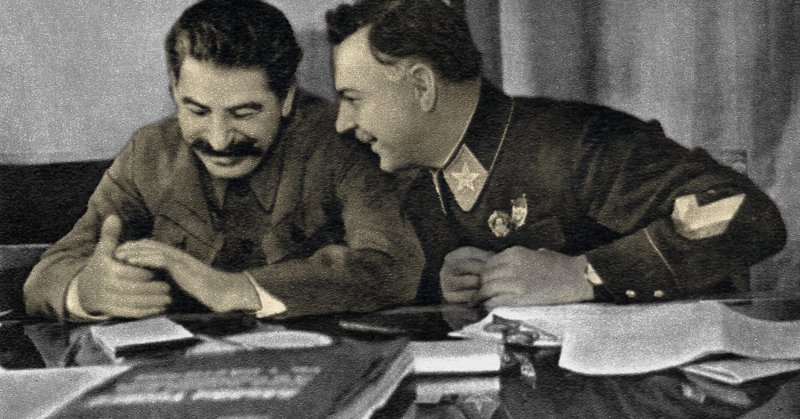
46. When asked about rape committed by Soviet troops during World War 2, Stalin said that “a soldier who has crossed thousands of kilometers through blood and fire and death has fun with a woman or takes some trifle.”
47. After the archaeological discovery of Chechen-Soviet soldiers from World War 2 in Ukraine, archaeologists found letters they had addressed to their relatives in Chechen towns that no longer exist. Further investigation uncovered the Khaibakh massacre, which was carried out by Soviet forces.
48. During World War 2, 18 American shipyards built 2710 Liberty ships, a type of cargo ship. They did so at a pace of 3 ships every 2 days, and each ship required an average of just 42 days to finish.
49. During World War 2, morale in the British Army’s desert campaigns was directly proportional to the amount of tea they had. This was because they constantly brewed it to drink the foul-tasting water they were given, since it came from fuel cans.
50. Agatha Christie wrote a novel in 1941 about World War 2 code breaking that featured a character called Major Bletchley. MI5 investigated her because of this name, but it was ultimately found that the name she selected was completely coincidental and had no connection to the then-secret code-breaking facility in Bletchley Park.


Add Comment