

Failed Gold Test Ends
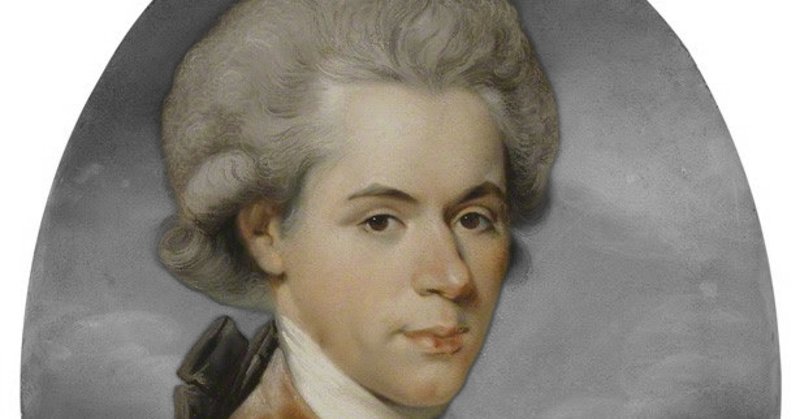
26. James Price was an 18th-century chemist and alchemist who said he could transform mercury into gold. When he was challenged to do the transformation again before trustworthy witnesses, he instead killed himself by drinking prussic acid, also known as cyanide.
27. The original Illuminati was a secret society from the Enlightenment era in Bavaria, founded on May 1, 1776. Its aims were to resist superstition, prejudice, religious control over public life, and abuses of state power, and to promote women’s education and gender equality.
28. During a naval battle, 18th-century Norwegian swashbuckler Peter Tordenskjold once ran out of ammunition, so he sent his opponent a letter thanking him for “a fine duel” and asking for more ammo so they could continue. The two crews then drank to each other’s health and went their separate ways.
29. Bedlam Asylum was among the most popular sights for tourists in 18th-century London. For a penny, visitors could watch the inmates suffer. Admission was free on Tuesdays.
30. In 1740, Christina Johansdotter, a Swedish woman who wanted to die, took advantage of a loophole in doctrine. Since suicide led to Hell and infanticide was punishable by death, she chose to kill a child because repenting for a crime brought forgiveness, and this was meant to lead her to Heaven after her execution.
31. In 1719, prisoners in Paris were permitted to walk free on the condition that they wed prostitutes and travel with them to Louisiana. The couples who had just married were put in chains together and escorted to the port where they would depart.
32. Between 1757 and 1795, an unnamed author put out a yearly guide to London prostitutes called Harris’s List of Covent-Garden Ladies. It sold thousands of copies every year and described everything from their specialties to the size of their breasts.
33. In 1799, a boy named Conrad Reed discovered a 17-pound rock made of gold in a creek in North Carolina and used it as a doorstop in his family’s house for several years. In 1802, Conrad’s father, John Reed, brought the rock to a jeweler, who identified it as gold and offered to purchase it. Reed, still not knowing the true worth of his “doorstop,” sold it to the jeweler for $3.50.
34. Saloop was a beverage made from powdered orchid tubers, and it was a favored 18th-century substitute for coffee or tea until people began saying it could cure venereal disease. After that, drinking it in public became disgraceful.
35. In 1774, colonial Americans enjoyed the highest standard of living in the world and paid an average of 1.5% in taxes.
Page Taxes Shaped Newspapers
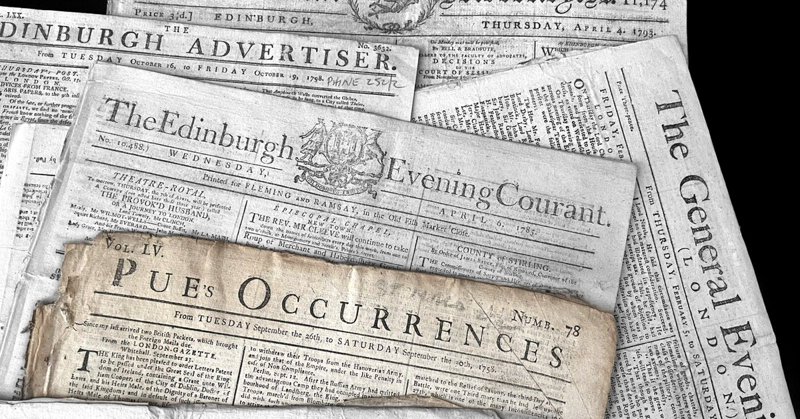
36. Newspapers became so large, in broadsheet form, because the British government started taxing newspapers in 1712 according to how many pages they contained.
37. In 1760, the astronomer Guillaume Le Gentil traveled from France to India to observe the transit of Venus. He missed both opportunities to do it, caught dysentery, and nearly lost his sanity. By the time he returned home, he learned he had been declared dead and replaced in the Royal Academy of Sciences. His wife had remarried, and all his relatives had looted his estate.
38. In 18th-century England, wig theft was a real issue, and thieves used children, dogs, and monkeys to grab the costly wigs of rich people on the street.
39. Timothy Dexter, an 18th-century American businessman, pretended to die to see how people would respond. Around 3,000 people came to Dexter’s fake wake. He did not see his wife cry, and after he exposed the trick, he struck her with a cane for failing to mourn his death enough.
40. During the 1790s, the guillotine became so fashionable that miniature versions were sold to children so they could decapitate their dolls and rodents, while wealthy people kept tiny ones on their dining tables for cutting bread.
41. In the unusually severe winter of 1795, a French Hussar regiment took control of the Dutch fleet on the frozen Zuiderzee, a bay northwest of the Netherlands. The French captured 14 warships and 850 guns. This ranks among the few recorded occasions in which cavalry seized a fleet.
42. Benjamin Lay was an 18th century Quaker vegetarian abolitionist who once briefly kidnapped the child of slaveholders to demonstrate to them how Africans felt when their relatives were sold overseas.
43. Ewen MacDonald was hanged in 1752 but regained consciousness after being brought to the dissection theatre. When the surgeon assigned to dissect his body found the supposedly dead man sitting upright on the operating table, he immediately beat MacDonald to death with a mallet.
44. In 1771, a Japanese woman known only as Aochababa, meaning green tea hag, was dissected in order to compare Chinese anatomical knowledge with the Dutch. The Japanese were amazed to find that the Dutch were right, and they recorded their results in a four volume text, overturning centuries of Chinese medicine knowledge.
45. In 1770, Wolfgang von Kempelen created a machine that could play a strong chess game against a human opponent. The android that played was called The Turk, as was the machine itself. It was not until 1857 that it was exposed as a hoax, with a chess master concealed inside the machine.
Mirror Crash on Debut
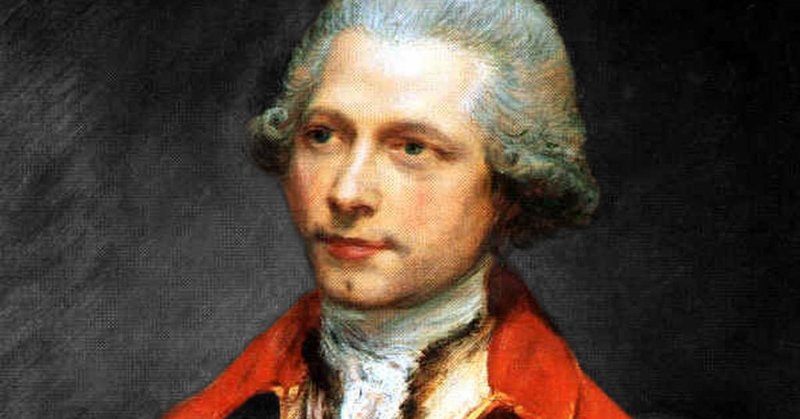
46. English inventor Joseph Merlin created the first roller skates for a masquerade party in 1760. He did not practice, and when he arrived, he collided with a wall-sized mirror.
47. In 1787, a man was executed by hanging after deserting and reenlisting in the British Army 47 times to collect the large bounty given when joining.
48. During the 18th century, Scotland, England, and France used window taxes based on how many windows a house had in order to quietly tax wealthy people more. Many windows from that era can still be seen bricked up today.
49. Orcas Island, well known for its resident pods of orcas, was actually named for Horcasitas, the Viceroy of Mexico, who financed an expedition there in 1791. The word “orca” came from Ancient Rome, so “Orcas Island” is likely the most accidental place name on Earth.
50. In 1777, Sybil Ludington made a nighttime ride to warn American forces that the British were approaching. She traveled 40 miles, more than twice Paul Revere’s distance. She began at 9 p.m. and finished near dawn, and she was 16 years old.


Add Comment