

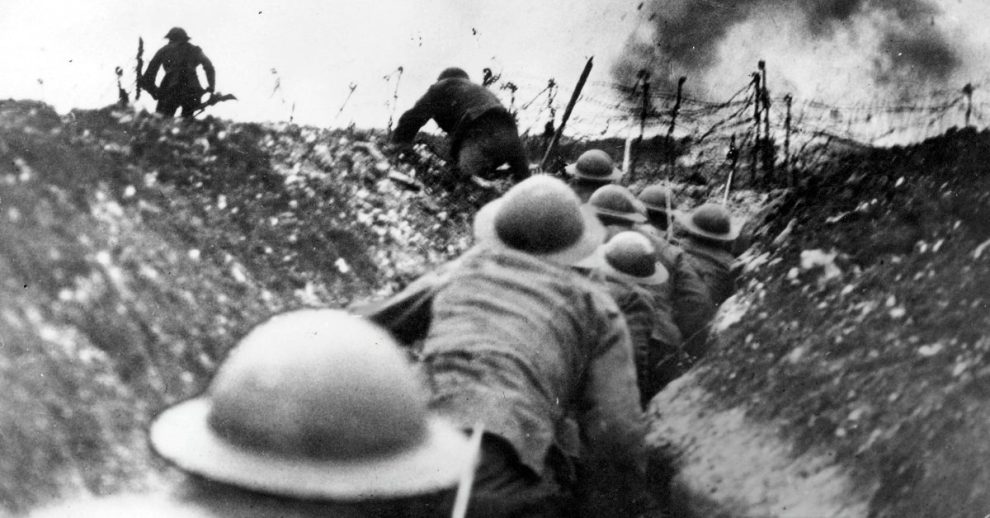
World War I was full of trench warfare, propaganda, and staggering loss, but it also produced some of history’s strangest true stories. These 100 facts cover the chaos, courage, absurdity, and human cost of the Great War from angles most history lessons skip.
Wilson and Klan Revival
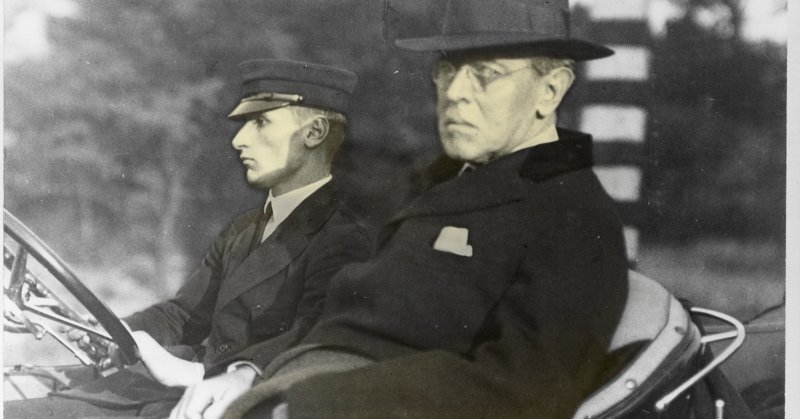
1. Woodrow Wilson, who was the US President during World War I, was known as a white supremacist and was responsible for reviving the Ku Klux Klan in 1915.
2. One of the most successful military regiments in World War I was refused a departure parade because it was a colored regiment, but was invited after the war because of its valor.
3. The deadliest nonnuclear explosion ever recorded was a mine explosion at Messines Ridge during World War I that killed 10,000 Germans.
4. In 1964, the German government chose to repay East African soldiers, known as Askari, who had fought for them in World War I. Since most had no proof of service, they had to demonstrate the manual of arms in German, handling and using weapons in formation, with a broom to prove it. None of them failed, and each did it perfectly.
5. Kleenex tissues were used as filters in gas masks during World War I.
6. In 1978 in Yukon, Canada, a bulldozer found buried reels of nitrate film while a landfill was being excavated. Around 500 old films from 1910 to 1921 were recovered. These included long-lost World War I newsreels and many long-lost silent films.
7. An American soldier called Henry Gunther was killed 60 seconds before the WWI Armistice took effect after he rushed a German roadblock and fired at it. The Germans knew peace was about to arrive and tried to wave him away.
8. The most decorated American WWI veteran from Texas was Marcelino Serna, an undocumented Mexican immigrant. He was also the first Hispanic person to receive the Distinguished Service Cross.
9. During WWI, France created a fake Paris near its capital city to mislead German pilots.
10. During WWI, Belgium’s King Albert I personally commanded the army, the Queen worked as a nurse, and the 14-year-old Prince joined as a private and fought in the ranks.
Father Enlists Blind Son
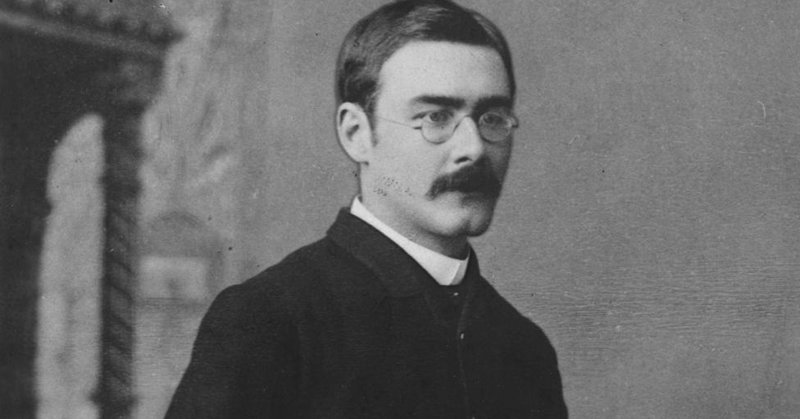
11. Rudyard Kipling encouraged his 18-year-old son John Kipling to take part in World War I. Because his eyesight was so poor, he was rejected again and again. Kipling then used his links to an Army Commander-in-Chief to secure his admission. John was sent into combat, where an exploding shell tore apart his face.
12. In World War I, on Christmas Day 1914, German and Allied troops left their trenches to sing carols, exchange gear, and even play football between the lines.
13. During World War I, Germans were not allowed to eat sausages because the intestines of 250,000 cows were required to build each Zeppelin.
14. After World War I, a family hid from the Soviets in Siberia and was not discovered for more than 40 years, never knowing about World War II, the space race, or plastic bags.
15. In World War I, the US Navy painted ships with intricate geometric designs called “dazzle camo.”
16. The most highly decorated enlisted soldier in the British Army during World War I was a conscientious objector who never fired a shot. He served as a stretcher bearer and earned the Victoria Cross for rushing into gunfire without a weapon and carrying three wounded men on his back.
17. Roughly the same number of horses and people died on the Western Front in World War I, about 8 million.
18. Before it was forcibly suppressed during World War I, German was the second most commonly spoken language in the United States, and many local governments, schools, and newspapers operated in German.
19. In World War I, British and American fighter pilots were never given parachutes because they were regarded as cowardly.
20. Safety razors were created in the late 1700s but did not become popular until World War I. During World War I, Gillette made an arrangement with the U.S. Armed Forces to supply Gillette safety razors and blades to every enlisted man or officer heading to Europe as part of his standard-issue equipment.
Warning Before the Voyage
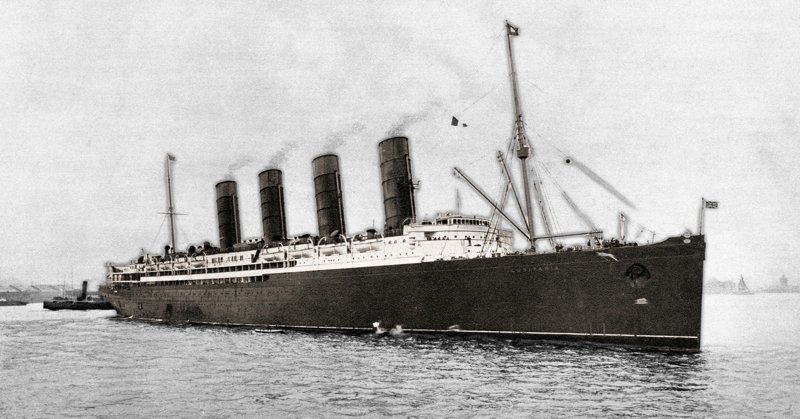
21. Sixteen days before RMS Lusitania was scheduled to depart during WWI, Germany posted a warning in the New York Times saying they would sink the ship if it sailed to Britain. The ship sailed anyway, and 1,198 people died.
22. The Uncle Sam, “I Want You” poster was used in WWI, not WWII.
23. Following WWI, the United States started forced sterilization to stop “imbeciles” and “promiscuous” people from having children in an effort to cleanse the gene pool.
24. At one point during WWI, Russian and German forces fighting each other had to make a temporary truce to drive off a sudden wolf attack that was repeatedly raiding trenches. The combined effort worked.
25. There was an all-black regiment in WWI that the Germans feared so greatly that they nicknamed them the “Harlem Hellfighters.” They never lost any ground, and none of them was ever taken prisoner.


Add Comment