

Media Shapes World War 1
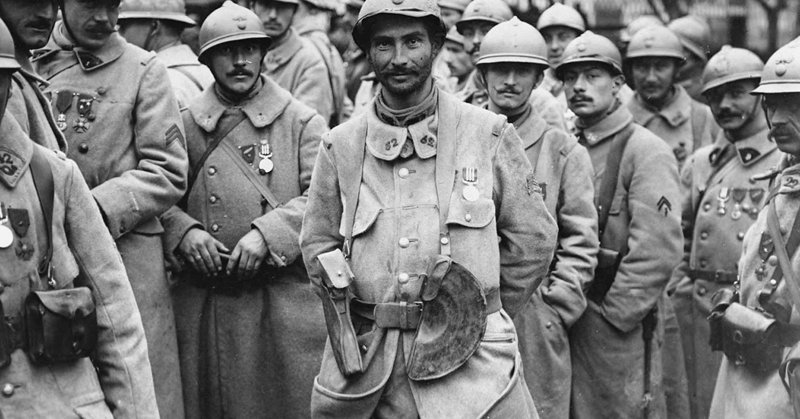
26. World War 1 was the first war in which mass media and propaganda had a major role. It was one of the keys to persuading people to fight in the war. At the beginning of the war, the British cut Germany’s undersea cables to shape how the war was reported to the world.
27. In 1917, during World War 1, U.S. troops in Paris stopped at the grave, made of soil from the U.S., of French Revolutionary War Hero, Marquis de Lafayette, and shouted “Lafayette, we are here!”.
28. During World War 1, Germany refused to feed occupied Belgium, which was blockaded and unable to meet its food needs. In response, Herbert Hoover created the Commission for Relief in Belgium. The CRB shipped 5.7 million tons of food and fed 11 million Belgians between 1914 and 1919.
29. In World War 1, a German ship (SMS Emden) reached a British colony about 1700 km from the tip of India. The ship’s captain was surprised when he was greeted. No news of the war had reached the colony. The ship was repaired and restocked, and in gratitude, the captain had a local’s boat repaired.
30. After a horse ran into No Man’s Land during World War 1 and was shot, French soldiers chose to replace it with a fake papier-mache horse with a sniper inside. He also had a telephone wire so he could send messages back to the trenches about enemy movement. The trick was uncovered after three days.
31. During World War 1, Belgium opened its sluices so seawater could flow in and flood the country to block German occupation. They held their front throughout the war.
32. During World War 1, the British launched a campaign to shame men into enlisting. Women gave White Feathers to men out of uniform and accused them of being cowards. The campaign worked so well that the government had to issue badges for men in critical occupations so they would not be harassed.
33. During World War 1, female art students joined the National League for Women’s Service and trained to work in the Camouflage Department of the United States Navy. They created camouflage patterns and tested them at several places in New York City, including the NY Public Library and Union Square.
34. In Germany during World War 1, horses were treated as army reservists. Their owners had to register them on a regular basis, and the army kept detailed records of where all horses were located. In the first weeks of the war, the German army mobilized 715,000 horses.
35. During World War 1, British newspapers wrongly said that the Germans rendered down soldiers’ corpses to make soap, candles and nitroglycerin. As a result, when news of the Holocaust reached Britain during World War 2, the government believed it was another invented atrocity story.
Parachutes Called Cowardly
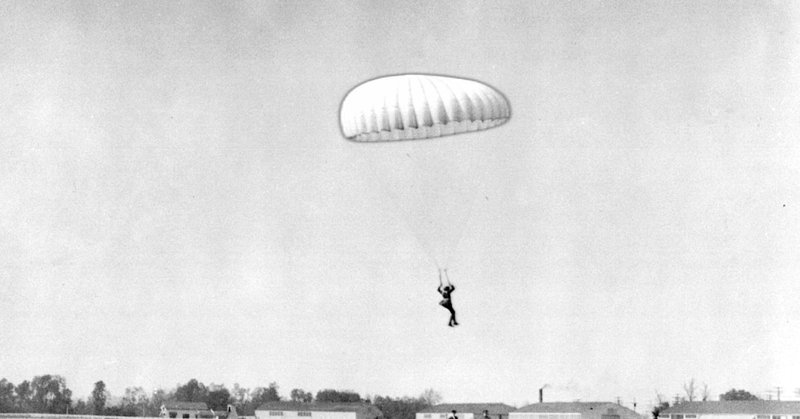
36. In World War 1, British and American fighter pilots were not issued parachutes because they were regarded as cowardly apparatus.
37. The first battle of World War 1 involved a British ship firing one shot at a German ship on Lake Nyasa (now Lake Malawi) in Africa and taking the captain “prisoner.” The two captains had been drinking buddies for years, and they were not about to let the war ruin it.
38. Canadian First Nations soldier Francis “Peggy” Pegahmagabow was among the most effective snipers of World War 1. He volunteered for service even though the Canadian government excluded Aboriginal people from the army. With a kill record of 378, Peggy once went into No-Man’s Land to recover ammo when his company ran out.
39. During World War 1, German zeppelins used a “spy basket,” a small capsule that would be dropped from above the clouds to spy on the allies. Even though it was cold, isolated, and cramped, crew members would volunteer to be in it because it was the only place they could smoke.
40. World War 1 tanks were first intended to be called Landships, but the factory workers building them called them Tanks because they looked like steel water tanks, and the British concerned with secrecy kept that name.


Add Comment