

History is filled with disasters, massacres, and human tragedies that once shocked entire communities but are rarely discussed today. These 40 stories revisit some of those devastating events and the circumstances that made them so deadly.
Iroquois Theatre Fire Fallout
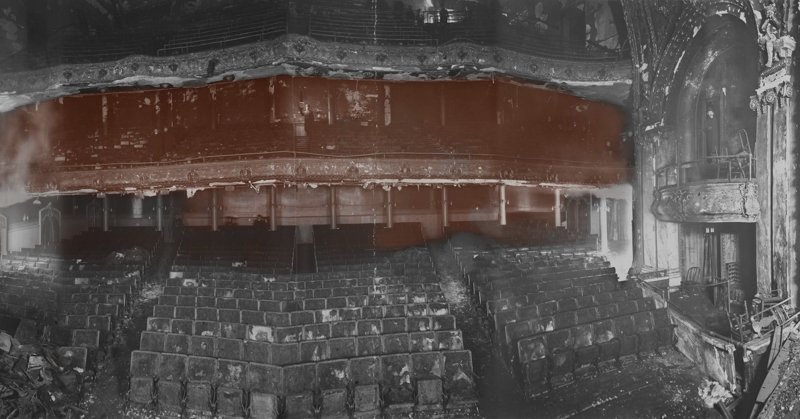
1. During the Iroquois Theatre fire of 1903, over 602 people died. It drew extensive attention because the victims were mainly women and children from an upper-middle-class background. The theatre had been falsely advertised as “absolutely fireproof”, but it lacked basic safety infrastructure. Public outrage led to lawsuits against the owners of the theatre and the Mayor. In the end, the only person convicted was a tavern keeper charged with grave robbing.
2. The Ocoee massacre was a white mob attack on African-American residents in northern Ocoee, Florida, and it took place in 1920 on the day of the U.S. presidential election. Over 50 to 60 African Americans were killed when one African American man tried to vote.
3. The Carnival tragedy of 1823 was a human crush that happened in 1823 at a Convent in Malta. About 110 boys who had gone to the convent to get bread on the last day of carnival celebrations were killed after falling down a flight of steps while trying to leave the convent.
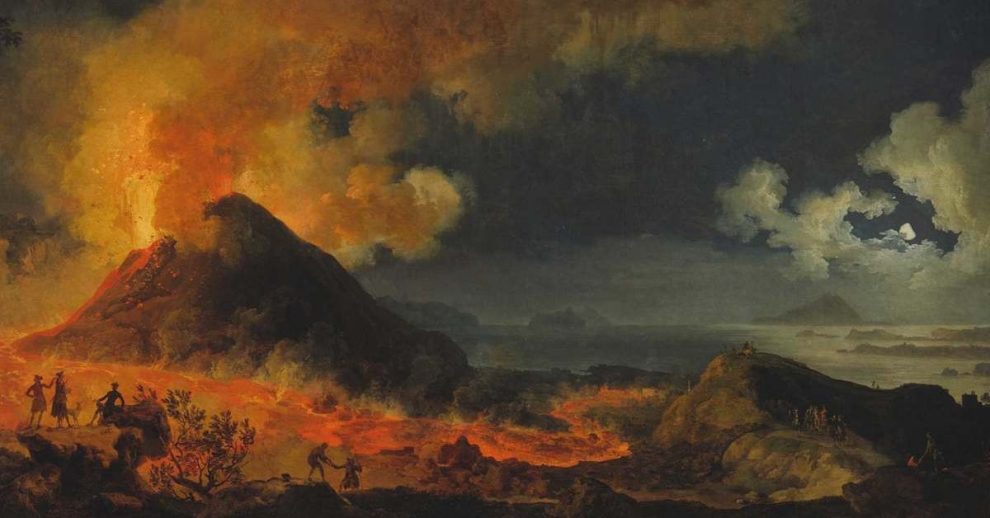
4. The 1902 Saint-Pierre Volcanic eruption killed all 35,000 people in the town except one man, Ludger Sylbaris, who survived because he was the worst prisoner on the island and therefore lived in a solitary confinement cell.
5. In the Stardust Nightclub fire in Artane, Dublin, Ireland, some deaths were caused by people mistaking the men’s restroom for the main exit. 48 died and 214 were injured as a result of the fire.
6. It is almost certain that the astronauts lived through the initial Challenger explosion and died when they hit the water. At least three of the crew’s emergency oxygen tanks were turned on manually after the crew’s capsule separated from the rest of the shuttle.
7. The Circassian genocide (1864-1870) was the Russian Empire’s systematic mass murder, ethnic cleansing, forced migration, and expulsion of 1,500,000 Circassians in an attempt to make room for Russian colonization in Circassia.
8. The 1984 anti-Sikh riots, also known as the 1984 Sikh Massacre, were a set of organized pogroms against Sikhs in India after the assassination of Indira Gandhi by her Sikh bodyguards. The ruling Indian National Congress had been inactively complicit with the mob in organizing the riots. Government estimates project that about 2,800 Sikhs were killed in Delhi and 3,350 nationwide, while independent sources estimate the number of deaths at about 8,000–17,000.
9. The Jallianwala Bagh massacre took place in 1919, when Acting Brigadier-General Dyer ordered troops of the British Indian Army to fire their rifles into a crowd of unarmed Indian civilians, killing at least 379 people. It was a decisive step toward the end of British rule in India.
10. In 1769, the Bastion of San Nazaro in Brescia, Italy, was struck by lightning. The resulting fire set off 90 tonnes of gunpowder stored there, and the later explosion destroyed one-sixth of the city and killed 3,000 people.
Carandiru Riot Sentences
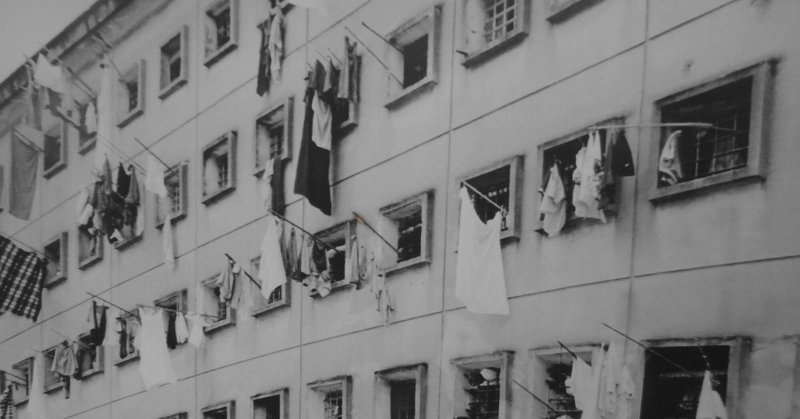
11. In 1992, a prison riot erupted at Carandiru Penitentiary in Brazil. The police stormed the prison and 68 of the officers killed 102 inmates. Some inmates were executed after surrendering or while hiding in their cells. In 2013, 63 of the police officers were sentenced to 48 to 624 years in jail.
12. The Nevado del Ruiz volcano, which erupted in 1985, triggered a volcanic mudslide that buried Armero, Colombia and killed approximately 23,000 people.
13. Before RMS Lusitania sank, the German Embassy in New York chose to place a warning in 50 newspapers telling passengers not to board the ship. They went anyway and 1198 people died. The ship was carrying undeclared ammunition as cargo, which made it a legitimate military target, exactly as the Germans had claimed. This incident was the deciding factor for USA to enter World War 1.
14. During the Rwandan genocide, a priest named Athanase Seromba led around 2000 Tutsis into his church with a promise of protection, then ordered the church with everyone inside bulldozed and shot the survivors.
15. In 1928, USA threatened Colombia with military invasion if it did not end the ongoing Chiquita workers’ strike. In the massacre that followed, which was aptly named the “Banana Massacre,” the Colombian army fired on unarmed protesters, men, women, and children, killing somewhere between 800 and 3,000.
16. On March 25, 1990, a jealous ex-boyfriend set fire to a Bronx social club with gasoline in revenge for his ex-girlfriend. He killed 87 people in what became the deadliest fire in New York City since the 1911 Triangle Shirtwaist Factory Fire, which happened 79 years earlier on the very same day.
17. After the Galveston Hurricane of 1900, there were too many bodies to bury, so the corpses were dumped into the Gulf of Mexico. Soon after, the bodies started washing back ashore, and survivors built funeral pyres to burn the corpses. The fires burned day and night for weeks.
18. The Elixir Tragedy led Congress to give the US Food and Drug Administration authority to oversee drug safety. 71 adults and 34 children died in the fall of 1937 after taking a drug called Elixir Sulfanilamide to treat a range of ailments, from gonorrhea to sore throat.
19. During the Columbine High School massacre, two 9.8 kilogram propane bombs were placed in the school cafeteria just before lunch. Had the bombs not failed to detonate, it is estimated that 488 students in the cafeteria at the time would have been killed or severely injured as a result.
20. During the Ludlow Massacre in 1914, the Colorado National Guard and the Colorado Fuel and Iron Company opened fire with machine guns on a tent colony of striking coal miners and their families, killing 21 people.
Mountain Meadows Bloodshed
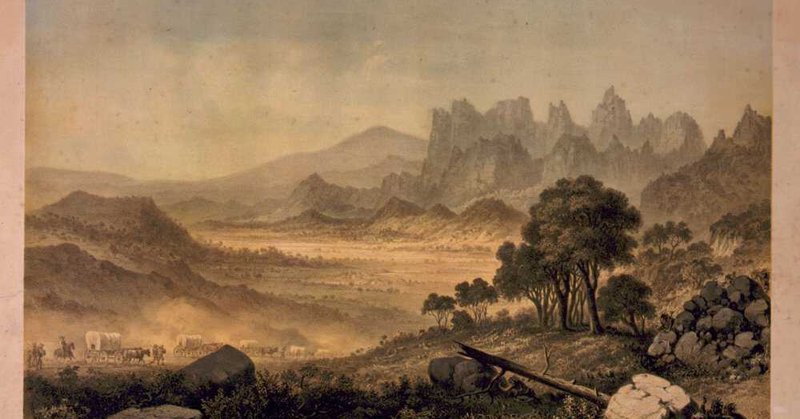
21. In the Mountain Meadows Massacre of 1857, a group of Mormons joined together to attack a wagon train carrying families in Southern Utah. The attackers posed as Native Americans. When they worried the victims might discover them, they killed about 120 people so there would be no witnesses to give testimony.
22. The Palawan massacre took place on 14 December 1944, during World War II, near Puerto Princesa in the Philippine province of Palawan. Allied soldiers held prisoner near the city were killed by Imperial Japanese soldiers. American soldiers were set on fire when an air raid siren was sounded, leading them to a trench filled with gasoline rather than an air-raid shelter. Of the 150 American POWs, only 11 survived and made it back to American lines.
23. In 1975, a “once-in-2000-years” flood caused the Banqiao Dam in China to fail, killing 171,000 people and causing nearly 6 million buildings to collapse. This is the “largest known dam disaster in human history” and, despite the devastation it caused, it was kept hidden from the world until 2005.
24. During the 1942 Cocoanut Grove fire in Boston, at least 300 people died because the doors opened inward. This led to the rule that all doors in a public building must open outward.
25. During the Zong Massacre, in 1781, a British slave ship threw 130 chained African slaves overboard and sought compensation under the ship’s insurance. They wrongly blamed the act on a water shortage and lost their case.



Add Comment