

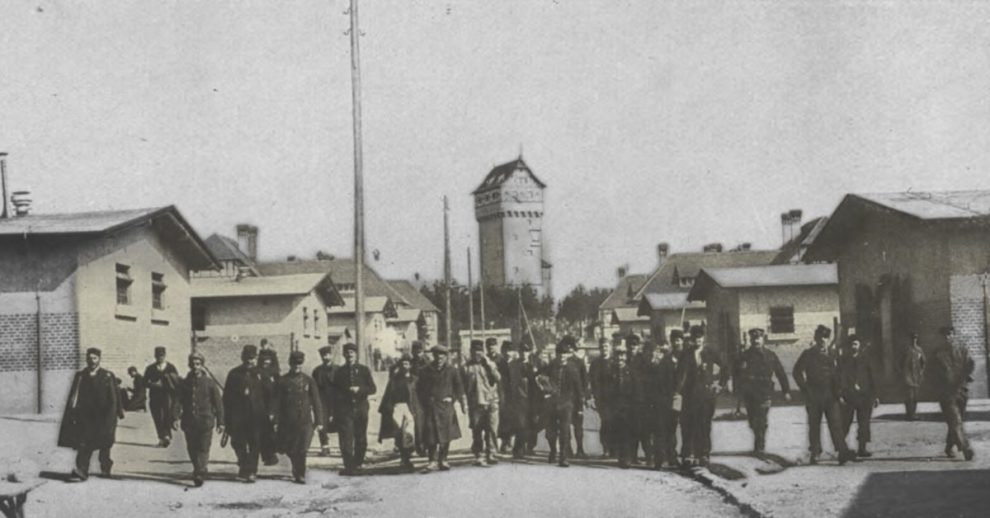
Life as a prisoner of war has produced some of history’s most remarkable stories of courage, ingenuity, resilience, and survival. From daring escapes and clever acts of resistance to unexpected moments of compassion, these true accounts reveal an extraordinary side of wartime captivity that is often overlooked.
Secret Camps, Loose Restrictions
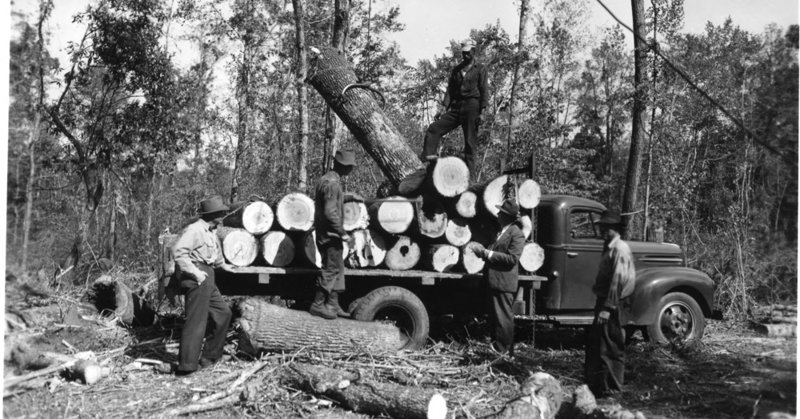
1. During World War 2, Italian and German prisoners of war were kept in fairly hidden camps in North Carolina. They labored on military bases, local farms, and in pulpwood harvesting. In some instances, they were permitted to go to movie theaters and restaurants while wearing U.S. uniforms as cover.
2. In 1946, an American who had once been a prisoner of war recognized a harsh Japanese camp official while he was shopping at Sears in Los Angeles. The official, who had become a U.S. citizen, was later the last person in the United States to be convicted of treason to date.
3. In 1950, Wayne A. “Johnnie” Johnson, an 18-year-old American POW in Korea, started privately recording every death he witnessed during Chinese captivity. The Army lost his list, but it was found again in 1995 at a veterans’ reunion, giving closure to more than 400 families.
4. During the Vietnam War, a POW named Doug Hegdahl acted as though he could not read in order to deceive his captors, who thought he was so foolish that they gave him nearly unrestricted access to the camp. He secretly memorized the information of about 256 POWs to the tune of “Old MacDonald,” and he still remembers it.
5. Edwin Rose, a British prisoner of war, missed his camp’s liberation because he had fallen asleep on the toilet and slept through the fighting. When he awoke and saw that everyone else was gone, he shaved, dressed in his best clothes, and strolled out to freedom.
6. An American prisoner of war named Glenn D. Frazier in Osaka narrowly escaped execution after saying, “He can kill me, but he will not kill my spirit, and my spirit will lodge inside him and haunt him for the rest of his life.” The Japanese officer backed off.
7. Donald Pleasence, a real World War 2 prisoner of war, tried to offer advice to the director of The Great Escape, and was at first “shooed away for his impertinence.”
8. In World War 2, a French cavalry officer and prisoner of war named Pierre Mairesse-Lebrun escaped from Colditz and reached the German-Swiss Frontier with no food, money, maps, or papers, while wearing a vest, shorts, and tennis shoes.
9. Aidan MacCarthy, an Irish doctor in the Royal Air Force, was held as a prisoner of war by the Japanese, and during that time he survived two torpedo attacks and the atomic bombing of Nagasaki.
10. Many German prisoners of war captured by the Allies in World War 2 were so appalled by footage of the Holocaust that they burned their uniforms, urged Germany to surrender, and even volunteered to fight against the Axis.
Auschwitz Uniform Escape
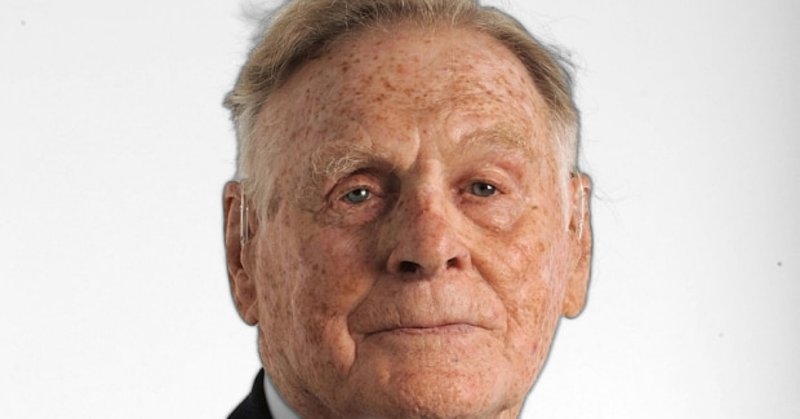
11. During World War 2, a British prisoner of war named Denis Avey entered Auschwitz, became friendly with a Jewish inmate, slipped into the inmate’s camp by swapping uniforms, and then escaped the camp in 1945.
12. Some World War 2 prisoners of war in Japan kept their spirits up and resisted the guards by holding in their farts until they were forced to bow to a portrait of Emperor Hirohito. At the lowest point of their bow, they would let loose.
13. While held captive for 7.5 years in Vietnam, a prisoner of war named Colonel George Hall improved his golf game by playing golf in his mind every day.
14. The final World War 2 prisoner of war to be sent home was a Hungarian soldier named Andras Toma, who spent 53 years in a Russian mental hospital before a linguist realized he was not actually speaking gibberish.
15. Among the 2,345 Allied prisoners of war imprisoned by Japan in the Sandakan POW Camp during World War 2, only 6 Australians lived through it, and all of them had escaped the forced death marches.
16. Captain Charles Upham was captured as a prisoner of war in World War 2 and made several attempts to escape. On one occasion, he climbed the camp fences in broad daylight and got caught in barbed wire. When a guard aimed a pistol at his head and said he would shoot, Upham paid no attention and lit a cigarette.
17. German prisoners of war in Delaware worked in agriculture to replace the 33,000 American men who were away at war.
18. An American prisoner of war in Vietnam created an American flag while in captivity. He and the other prisoners would recite the pledge of allegiance and salute it. One day, the Vietnamese took the flag away from him and beat him severely. After they returned him to his cell, he began making another one.
19. A British former prisoner of war named Eric Lomax was seized by Japanese forces in 1942. Many years after the war, he found the Japanese man who had tortured him and forgave him.
20. A Nazi prisoner of war named Franz Von Werra was moved to Canada in an effort to stop his repeated escapes and recaptures. He escaped again in under a month, traveling through the US, Mexico, Brazil, Spain, and Italy, and became the only Western held prisoner of war to return to combat.
Escape, Recapture, Survive
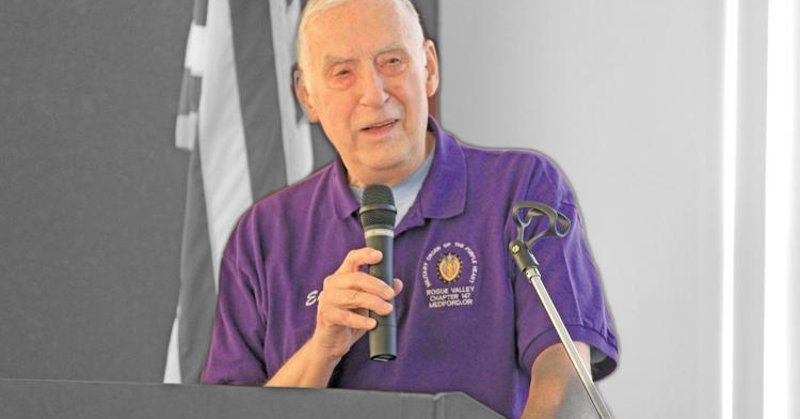
21. During the Vietnam War, POW Ernest Brace escaped from a bamboo cage after a month in captivity, was captured again for seven months with his legs locked in stocks and bolted, escaped once more, and after being captured again was buried up to his neck for seven days.
22. Captain Robert Campbell, a British prisoner of war in World War I, was freed by the Germans so he could see his dying mother, and he returned because he had given his word to Kaiser Wilhelm II.
23. Georg Gärtner, a German POW, broke out of his American prison camp near the end of World War II and lived in the United States for 40 years under an assumed identity before eventually revealing the deception on the Today Show.
24. Jeremiah Denton was an American prisoner of war held in North Vietnam during the Vietnam War, and during a televised press conference he was compelled to take part in, he kept blinking in Morse code to spell out “T-O-R-T-U-R-E.”
25. Kazuo Sakamaki was the only prisoner of war taken by Americans after the Pearl Harbor attack, and he later became a strong opponent of war and would not discuss it until he went to a historical conference in Texas, where he cried after being reunited with his submarine.


Add Comment