

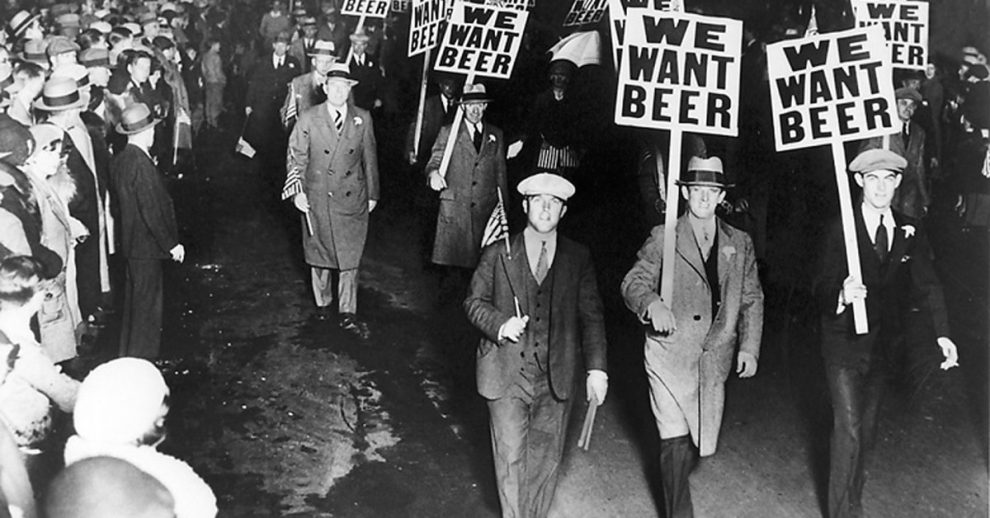
Prohibition was supposed to stop Americans from drinking, but it instead created a strange world of bootleggers, legal loopholes, secret bars, and creative ways around the law. These 25 facts reveal just how complicated and unpredictable the Prohibition era became.
Alcohol Rules In Prohibition
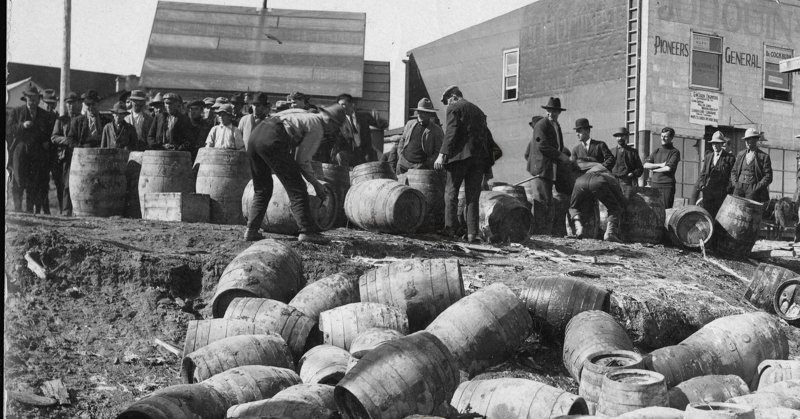
1. During Prohibition in the US, it was illegal to buy or sell alcohol, but it was not illegal to drink it. Some wealthy people bought out entire liquor stores before it passed to ensure they still had alcohol to drink.
2. During prohibition, Herbert Hoover would go to the Belgian embassy to have martinis, as it was not illegal to possess alcohol on foreign soil.
3. In 1920, during US Prohibition, a Johns Hopkins psychologist carried out a study to determine whether people were better at playing Darts while drunk. The government allowed him to purchase 34 gallons of whiskey, as scientific research was a valid exception to Prohibition.
4. During prohibition, Winston Churchill received a prescription for alcohol when he visited the United States, his Doctor writing, “The quantity [prescribed] is naturally indefinite.”
5. Kansas City openly ignored Prohibition. You could buy booze a few blocks down from the police station. They got away with it scot-free for all 13 years (1920 to 1933).
6. During the US prohibition era, medicinal liquor was fraudulently used in many scams. One doctor was cited for writing 475 prescriptions for whiskey in one day. Charles R. Walgreen, the founder of Walgreen’s pharmacies, expanded from 20 stores to a staggering 525 during the 1920s.
7. During the prohibition era, the Long Island Iced Tea came from the United States because, when everything was mixed together, it resembled a non-alcoholic iced tea.
8. Prohibition agent Izzy Einstein said he could locate liquor in any city in under 30 minutes. In Chicago, he did it in 21 minutes. In Atlanta, in 17 minutes, and in Pittsburgh, in just 11 minutes. But New Orleans set the record at 35 seconds. Einstein asked his taxi driver where to get a drink, and the driver handed him one.
9. During Prohibition, moonshiners wore “cow shoes.” This fancy footwear left hoofprints instead of human shoe prints, which helped distillers and smugglers avoid the police.
10. During Prohibition, juries used Jury Nullification to acquit in up to 60% of cases, which helped bring about the repeal of Prohibition laws.
McCoy’s Uncut Prohibition Brew
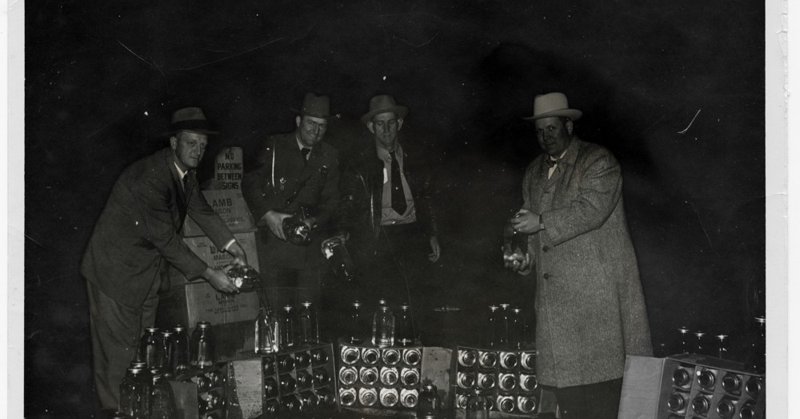
11. During Prohibition, bootlegger William S. McCoy gained fame for never watering down his beer or booze, unlike many others who did so to stretch profits. Because of this, people began calling his products, “the real McCoy.”
12. During Prohibition, federal agents Izzy Einstein and Moe Smith posed as grave-diggers, football players, Russian women, rabbis, judges, and plumbers, among many others. Together, they seized more than 5 million bottles of illicit booze and made 4,932 arrests.
13. Carry Nation was a Prohibition activist who entered saloons with a hatchet, broke open kegs, and scolded drinkers.
14. During Prohibition, Pabst Brewing Company stopped making beer and changed to cheese production, selling more than 8 million pounds of Pabst-ett Cheese. When Prohibition ended, the company returned to selling beer, and the cheese line was sold to Kraft.
15. During prohibition, smugglers created a cable system under the Detroit River to send “torpedoes” full of alcohol across the border from Canada.
16. The Prohibition movement pushed American beer-makers toward lighter, blander beers in the early part of the 20th century as they tried to show that beer was healthier than whiskey.
17. A “blind pig” was a lower-class place that sold alcohol during Prohibition, unlike a higher-class “speakeasy”. The owner charged patrons to view an attraction, such as an animal, and then provided a “complimentary” alcoholic drink, thereby getting around the law.
18. During Prohibition, cases of liver cirrhosis fell by almost two-thirds.
19. During Prohibition, many major breweries began selling malt extract for use in baking bread and desserts. It was also hop flavored. One city said enough was sold each week to make 16 loaves of bread for every man, woman, and child.
20. During Prohibition in the United States, Winston Churchill publicly called the Constitutional amendment banning alcohol “an affront to the whole history of mankind.”
Wine Bricks Warning Label
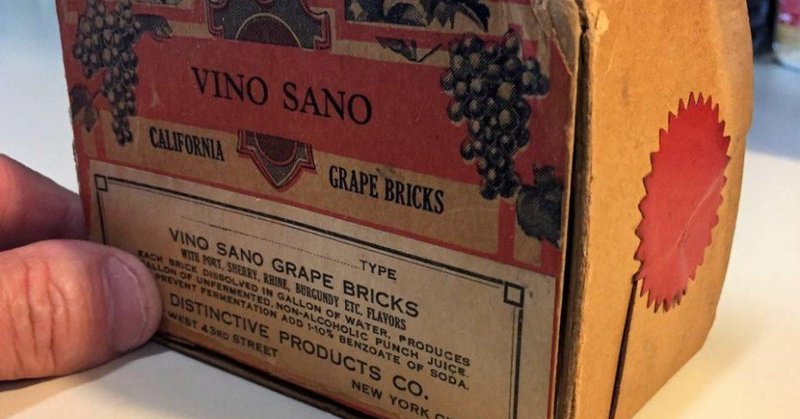
21. During prohibition, grape farmers made semi-solid grape concentrates known as wine bricks, which were sold with the warning “After dissolving the brick in a gallon of water, do not place the liquid in a jug away in the cupboard for twenty days, because then it would turn into wine.”
22. In an effort to enforce Prohibition, the Prohibition Bureau started putting poison into industrial alcohol to stop people from drinking it, killing between 10,000 and 50,000 people. This was backed by people like Wayne Wheeler, who said the victims had killed themselves by breaking the law.
23. During prohibition, Congress kept its own bootlegger, George Cassiday, so senators and congressmen could continue drinking alcohol.
24. During Prohibition, Theodore Geisel adopted the pseudonym Dr. Seuss after being banned from his college humor magazine for drinking gin on campus.
25. During Prohibition, cocktails grew popular as juices were mixed into bootleg liquor to hide the taste of ingredients like a dead rat and wood tar.


Add Comment