

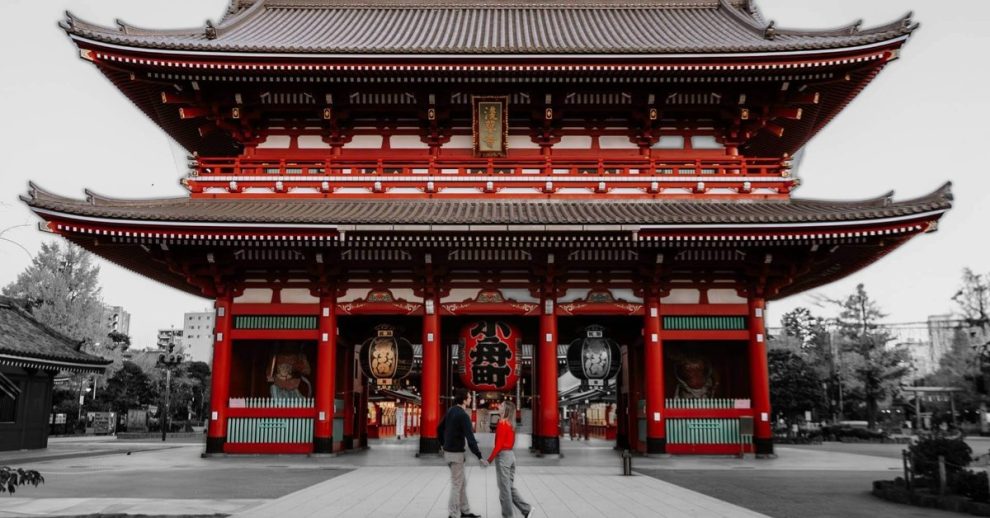
Tokyo has a hidden side that goes far beyond bright lights, busy crossings, and futuristic gadgets. These facts explore the city’s stranger stories, from vanished hotels and unusual cafes to old conflicts, clever inventions, dark history, and everyday systems that feel almost unreal.
Sumo Versus Firefighters Street Brawl
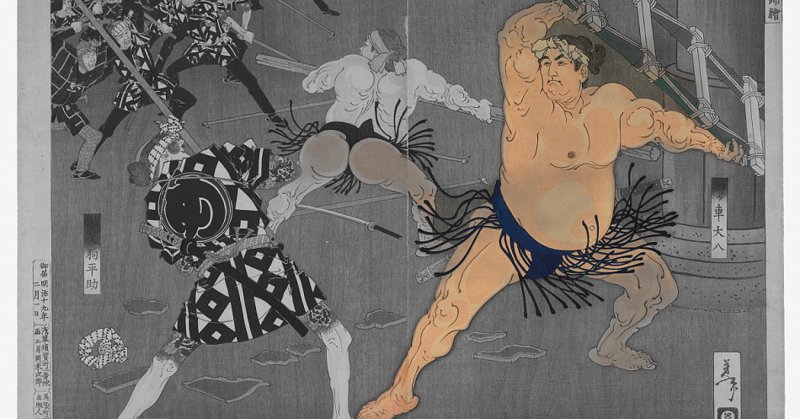
1. In 1805 near Shinmei Shrine in Tokyo, a street fight broke out between the Megumi firefighters and a group of Sumo wrestlers. The incident was later adapted into the kabuki play ‘Kami no Megumi Wago no Torikumi.’
2. Nakabayashi, a company based in Tokyo, created an office machine that converts used copier paper into toilet paper rolls on site.
3. In Tokyo two Buddhist bars, Vow’z and Vow’s, are run by Buddhist priests as a form of outreach; the establishments offer a relaxed place to drink and to discuss spirituality and personal issues.
4. Cinderella Castle at Tokyo Disneyland once housed the Cinderella Castle Mystery Tour, an attraction that included encounters with classic Disney villains. Its finale featured The Horned King from The Black Cauldron, making it one of the only uses of that movie in Disney Parks.
5. In 2013 the 39-story Grand Prince Hotel Akasaka in Tokyo ‘disappeared’ in that it was demolished without explosives or a wrecking ball. All 39 floors were disassembled by a small crane working inside the building, and there is a timelapse showing it shrinking floor by floor.
6. A hedgehog cuddling cafe, Harry hedgehog cafe, exists in Tokyo.
7. Tokyo can be divided into two areas: the Yamanote, which refers to the affluent upper class, and the Shitamachi, which literally means “low city”. This class and geographic division has remained strong through the centuries and is still in common use today.
8. In Tokyo train stations, footsteps are converted into renewable energy using special floorboards that turn vibration into energy, and that energy is used to power billboards around the city.
9. A Japanese criminal mastermind dubbed ‘The Monster with 21 Faces’ extorted confectionery companies across Tokyo and poisoned their products. His activity stopped after a police chief who failed to stop him committed ritual suicide, and he has never been caught.
10. There is a museum in Tokyo called the Momofuku Ando Instant Ramen Museum that is dedicated to instant ramen and its creator, Momofuku Ando.
Nine-Seat Ramen Makes History
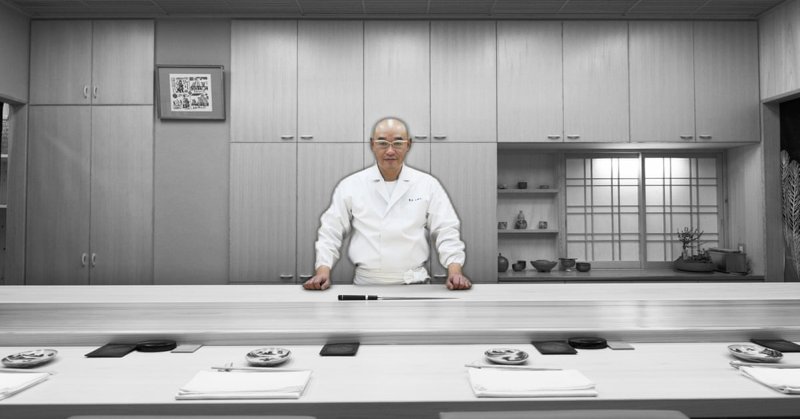
11. In 2015, a tiny Tokyo restaurant called Araki, which had just nine seats, became the first ramen eatery in the world to be awarded a Michelin star.
12. The Yaesu area in Chuo, Tokyo takes its name from the Dutch samurai Jan Joosten van Lodensteijn, because Tokugawa Ieyasu once granted him that land for his service to the Bakufu.
13. The location chosen for Narita International Airport in Tokyo was highly controversial; some locals resisted violently, with riots, bombings, little old ladies being dragged out of houses by police, and several people dying.
14. Researchers at the University of Tokyo created a robot hand that has a 100% winning rate at rock-paper-scissors, accomplishing this by ‘cheating’ using a high-speed camera to recognize the shape within 1 millisecond.
15. Tokyo has extremely efficient recycling systems: all combustible trash is incinerated, the smoke and gases are cleaned before release, and the leftover ash is used as a replacement for clay in the cement used for construction.
16. Tokyo’s train schedule is so reliable that if services run more than five minutes late, a note is issued to passengers so they can prove to their employers that the train was to blame for their lateness.
17. A company named Pasona Group in Tokyo converted its headquarters into a vertical farm, giving up 43,000 square feet of space to grow food. Two hundred species of fruits and vegetables are harvested and served to employees. A 1,000-square-feet rice paddy field is in the entryway.
18. Ebisu, a major district in Tokyo, takes its name from the beer that used to be brewed there.
19. The allied carpet bombing of Tokyo killed more civilians than the atomic bombing of both Nagasaki and Hiroshima combined.
20. The tallest free-standing tower in Japan, the Tokyo Sky Tree, had its final height chosen solely because of wordplay; several numbers were considered for their alternate meanings, and they settled on 634 meters for ‘Musashi’.
Imperial Grounds Beat California
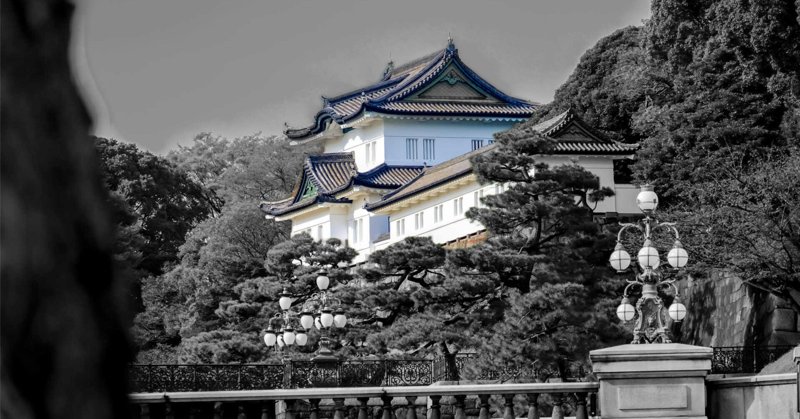
21. At the peak of Tokyo’s property bubble, the Imperial Palace grounds (1.32 square miles) were appraised at a higher value than all the real estate in California combined.
22. Between 1608 and 1945, Tokyo was, on average, destroyed and rebuilt every five years.
23. The Shibuya Crossing in Shibuya Ward, Tokyo, is regarded as the busiest pedestrian intersection in the world; at peak times more than 1,000 people cross simultaneously from every direction, and there is almost no reduction in foot traffic at midnight or in the early morning.
24. The NTT Docomo Yoyogi Building in Tokyo is a skyscraper that uses colored lights to indicate whether you should bring an umbrella when you go outside.
25. Tokyo’s Mitsui Garden Yotsuya hotel offers ‘crying rooms’ exclusively to women; Y. Ezato, the hotel’s PR representative, says that as more Japanese women succeed in the workforce, female stress and anxiety are rising. The rooms include tear-jerking movies, luxurious tissues, and warm sheets.






Add Comment