

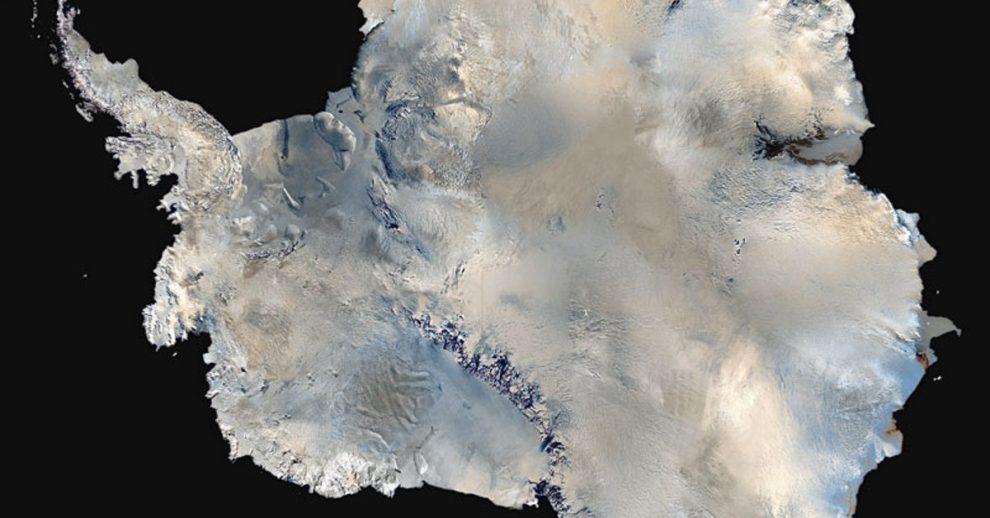
Antarctica gets even stranger the deeper you go into its frozen world. These facts explore survival stories, hidden landscapes, bizarre science, lost relics, unexpected wildlife, and the odd human moments that make the continent feel almost unreal.
Birth to Claim Territory
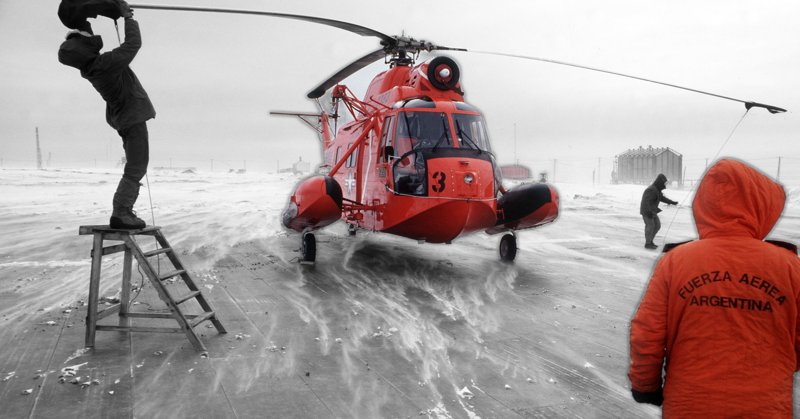
1. In 1977 Argentina transported a pregnant woman to its military base in Antarctica so she could deliver the first baby born on the continent. The Argentine government believed this would secure an indisputable claim on the land, but that claim is not recognized internationally.
2. During Japan’s first Antarctic expedition in 1958, an emergency evacuation left 15 Sakhalin Huskies at Showa Station. The two youngest dogs, Taro and Jiro, three years old and chained, survived for 11 months, possibly by hunting penguins and seals. They were found alive in 1959 and became national heroes. Jiro remained in Antarctica until his death in 1960, while Taro was returned to Japan and lived at Hokkaido University until his death in 1970.
3. Antarctica maintains a fire department to protect researchers from fire hazards. The continent’s dry, windy conditions and scarcity of liquid water increase the risk of fires.
4. Beneath its ice, Antarctica is a cluster of islands. Without the ice cover it would reveal a giant peninsula and archipelago known as Lesser or West Antarctica, and a landmass the size of Australia called Greater or East Antarctica.
5. The name Arctic comes from the Greek word Arktos, meaning bear, indicating the land of bears. By contrast, Antarctica denotes a land without bears.
6. In the 1930s the U.S. invested $300,000 (equivalent to $5.5 million today) to construct a huge vehicle meant to traverse Antarctica. When it reached the continent they found the tires failed in snow, so the vehicle was abandoned after only 140 km, having been driven in reverse.
7. In 1961 Dr. Leonid Rogozov, a Russian surgeon based in Antarctica, carried out an emergency appendectomy on himself without anesthesia. He was the sole physician at the station and, after developing acute appendicitis, had no alternative but to operate on himself.
8. Antarctica ranks as the world’s largest desert, getting only about 2 inches (50 mm) of precipitation per year, mostly snow. With average humidity under 60%, its severe aridity makes it among the most inhospitable places for plants and animals.
9. Each year after the final winter flight leaves, personnel at the Amundsen-Scott South Pole Station in Antarctica hold back-to-back screenings of “The Thing from Another World” (1951), “The Thing” (1982), and “The Thing” (2011).
10. Lake Vostok, the 16th largest lake on Earth, was confirmed in 1993. Buried beneath a 4 km ice sheet in Antarctica, its water averages about -3°C yet remains liquid because of the immense pressure from the overlying ice.
Antarctica’s Frozen Water Vault
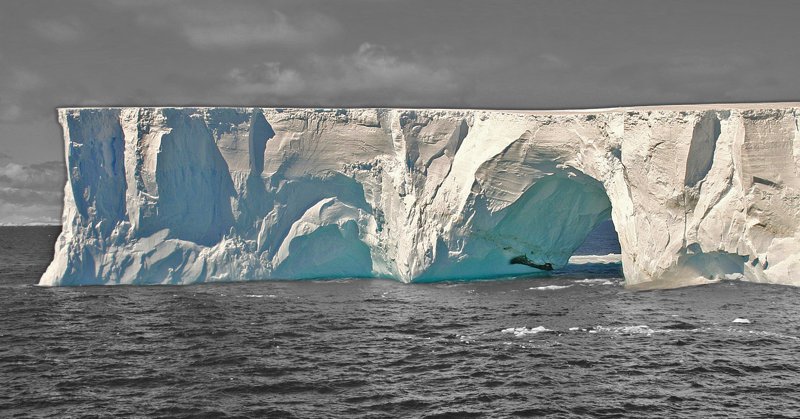
11. Antarctica contains 90% of the planet’s ice and 70% of Earth’s freshwater. If it were to melt, global sea levels would climb by roughly 200 feet.
12. The oldest bones discovered in Antarctica belonged to an indigenous Chilean woman who died in her early twenties. Found on a beach, researchers estimate she arrived between 1819 and 1825. No records explain why she was in Antarctica at that time.
13. In 2006 National Geographic photographer Paul Nicklen was “adopted” by a female leopard seal in Antarctica, which first tried to teach him to hunt penguins. After he failed to catch any, she attempted to feed him by bringing live, then injured, and finally dead penguins over four days.
14. Although crime is uncommon in Antarctica, widespread alcoholism has caused fights and incidents of indecent exposure. Other offenses reported include illegal drug use, torturing and killing wildlife, racing motorbikes through environmentally sensitive areas, assault with a deadly weapon, attempted murder, and arson.
15. Researchers have discovered hundreds of mummified seals as far as 41 miles inland in Antarctica. One tested specimen had been exposed for 1,500 years. They theorize that one to two seals become disoriented annually during whiteout events, accidentally moving inland and eventually dying.
16. The Antarctic midge (Belgica antarctica) is the only insect native to Antarctica. It measures only about 2 to 6 mm in length. It survives by feeding on microscopic algae, fungi, and detritus, and its ability to endure freezing temperatures and long periods without food allows it to thrive in the continent’s harsh, dry conditions.
17. Although 98% of Antarctica is covered by ice that averages 1.9 kilometers (1.2 miles) in thickness, two species of flowering plants grow there: Colobanthus quitensis (Antarctic pearlwort) and Deschampsia antarctica (Antarctic hairgrass). Colobanthus quitensis produces small yellow-green flowers and survives by accumulating high concentrations of sugars to prevent ice formation within its cells. Both species are wind-pollinated and have adapted to the harsh conditions by forming dense mats that conserve heat and moisture, allowing them to endure freezing temperatures and limited nutrients.
18. In 2017, scientists from Germany and the UK collected sediment cores from the Antarctic seafloor at depths of about 30 meters near the Pine Island and Thwaites glaciers. The cores contained well-preserved forest soil, pollen, spores, and even root systems, dating back about 90 million years to the mid-Cretaceous period. These findings suggest that Antarctica was once a swampy, temperate rainforest with a climate much warmer than today.
19. The WindSled, also known as the Inuit WindSled, is a tent on a sled powered by a giant kite. This wind-powered vehicle is the cheapest and cleanest mode of transport across polar terrains. It has been used in multiple expeditions, including a 2019 journey in which a four-person team traveled 2,538 kilometers across Antarctica, reaching elevations up to 3,768 meters.
20. Antarctica hosts over 60% of the roughly 80,000 meteorites ever found on Earth, and scientists recover around 1,000 new specimens there annually. The continent’s dry climate and ice dynamics preserve these meteorites well, and their dark color makes them easily visible against the white ice, facilitating their discovery.
McMurdo Dry Valleys Mars Analog
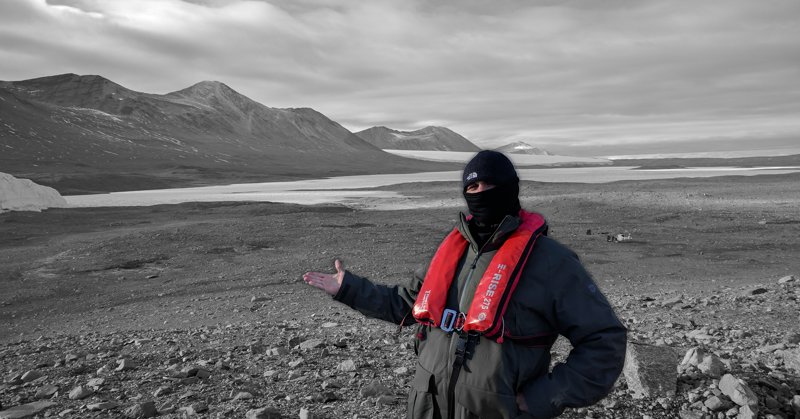
21. McMurdo Dry Valleys in Antarctica are the driest location on Earth, having received no rainfall for 2 million years. Only anaerobic bacteria persist in these harsh conditions, which scientists consider the closest terrestrial analog to Mars.
22. In 2013 Metallica became the first band to perform on all seven continents when they played a live, unamplified concert at Carlini Base in Antarctica. The event, called Freeze ‘Em All, was attended by 120 people, including Latin American contest winners and international scientists, and was held to celebrate the band’s global reach and to create a unique experience for their fans.
23. At 32 kilometers (20 miles) long, the Onyx River is Antarctica’s longest river; it begins as meltwater from the Wright Lower Glacier and flows inland away from the ocean. The river runs only during the summer months, does not reach the sea, and instead empties into Lake Vanda.
24. Hidden beneath Antarctica’s thick ice are the Gamburtsev Subglacial Mountains, a range comparable in size to the European Alps but completely concealed under more than 600 meters of ice. Rising up to 3,390 meters above sea level, these mountains were first discovered by a Soviet expedition in 1958.
25. Blood Falls, at the terminus of Taylor Glacier in East Antarctica’s Taylor Valley, is a waterfall where water entirely devoid of oxygen but rich in iron and sodium gushes out and rusts when exposed to air, turning blood red and making the glacier appear to be bleeding. The highly saline brine supports microbial life that thrives without sunlight, and the flow is sustained by a subglacial lake beneath the glacier.







Add Comment