

Houseflies Spread Wartime Cholera
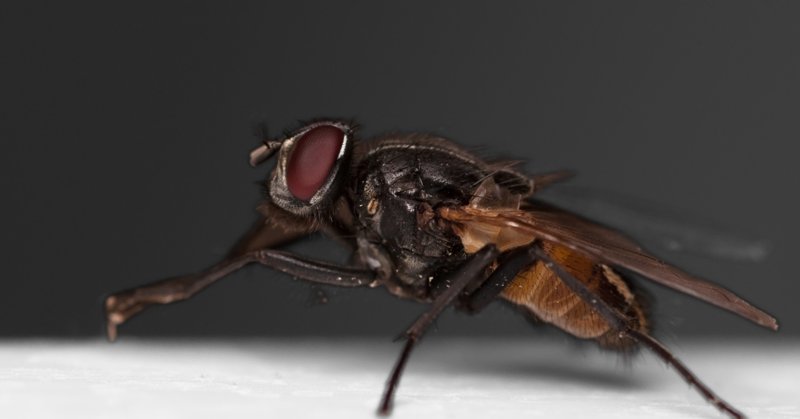
26. During World War 2, the Japanese used houseflies coated in a bacterial slurry to spread cholera in China, and they killed an estimated 410,000 people.
27. During World War 2, British newspapers falsely reported that the Germans rendered down soldiers’ corpses to make soap, candles, and nitroglycerin. Because of this, when news of the Holocaust reached Britain during World War 2, the government believed it was another fabricated atrocity story.
28. Wilfred Pickles was a northern English BBC newsreader during World War 2. His strong Yorkshire accent led to his being selected for the role as “a deliberate attempt to make it more difficult for Nazis to impersonate BBC broadcasters.”
29. Before Japan surrendered near the end of World War 2, the US armed forces ordered over 1 million Purple Heart medals in expectation of a difficult land invasion. That supply is still being used today.
30. Hazel Ying-Lee, the first Chinese-American woman to fly for the US military during World War 2, once made an emergency landing in a field in Kansas. A nearby farmer then chased Hazel around her plane with a pitchfork, yelling to his neighbors that the Japanese were invading.
31. During World War 2, German POWs in America were shocked by the way African Americans were treated. This happened because the prisoners worked alongside them in the fields, which let them grow closer through their shared labor.
32. During World War 2, the Allies used the price of oranges in Paris as a sign of whether railroad bridges had been bombed successfully.
33. Color Blind people can detect differences in texture and brightness more intensely than normal people and were even used in World War 2 to spot camouflage.
34. Operation Chariot was a World War 2 mission in which 611 British Commandos rammed a disguised, explosive-laden destroyer into one of the largest Nazi submarine bases in France that housed at least 5000 Nazis. They withdrew under fire and then detonated the boat, destroying one of the largest dry docks in the world.
35. During World War 2, rationing laws in the UK banned the sale of freshly-baked bread because “the tastiness of just-baked bread is likely to encourage people to eat it immoderately”. Therefore bread had to be at least 24 hours old before it was sold.
Virginia Hall’s Wartime Feats
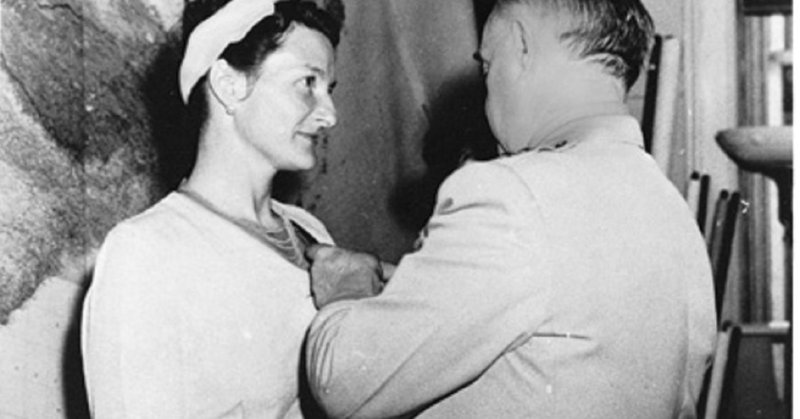
36. The most successful and feared allied spy of World War 2 was an American woman with a prosthetic leg named Virginia Hall. She escaped France on foot through the Pyrenees mountains, re-entered before D Day, and organized havoc behind the Nazi lines.
37. Gay men incarcerated in Nazi concentration camps during World War 2 were forced back into prison even after the Allied forces won that conflict.
38. The largest number of graves of any cemetery for U.S. personnel killed during World War 2 is located in Manila, Philippines. It has 17,206 graves, 16,636 of which were U.S. personnel.
39. German Prisoners of Wars in Canada during World War 2 were so well treated that they didn’t want to leave the country when released. Thousands of them eventually stayed or came back to Canada with one saying that the time in Canadian prison was “the best thing that happened to me.”
40. During World War 2, the British launched nearly 100,000 weather balloons, each with a trailing long metal wire toward occupied Europe. They caused power outages when they shorted out power lines and caused at least one German power station to burn down.
41. During World War 2, a Dutch minesweeper slipped past the Japanese for eight days while disguised as an island. The crew lined the decks with cut trees and painted exposed surfaces to resemble rocks. They traveled only at night and anchored close to shore during the day, eventually reaching Australia.
42. Poland’s Boy Scouting association was turned into an armed resistance force during World War 2. Its members took part in the Warsaw Uprising, assassinated SS officials, and even freed a concentration camp.
43. A diabetic woman named Eva Saxl made her own insulin in a basement during World War 2, saving not only her own life but also the lives of over 200 people in the Shanghai Ghetto who would have died when legal insulin became unavailable.
44. During World War 2, a few engineers wanted to strengthen the returned fighter planes where most of the bullet holes were. Mr. Abraham Wald then said: “Let’s reinforce them where no bullet holes are instead” because apparently, airplanes hit in these spots did not return.
45. Willem Kolff developed the first dialysis machine in the Netherlands during World War 2. With limited materials, he used sausage casings, tin cans, a washing machine, and saltwater. He also saved more than 800 people from the Nazis by hiding them in his hospital. He later also invented the artificial heart.
442nd’s War-Time Legacy
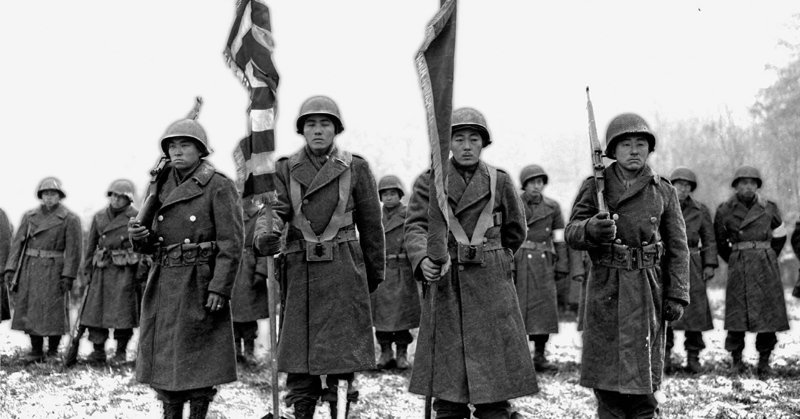
46. The 442nd Infantry Regiment, a largely Japanese American unit that served during World War 2, did so while their families were held in internment camps. Their motto was “Go for Broke” and they were the most decorated unit in U.S. military history.
47. The German War Graves Commission still finds over 25,000 bodies from World War 2 every year.
48. During World War 2, Russian soldiers took “heat pills” that kept them warm in the winter; however, they would also lose weight despite eating well. 2,4-dinitrophenol spikes metabolic rate as potential energy is lost as heat. It is banned as a weight loss aid (U.S.) as overdose can cook people to death.
49. Some of the first German Soldiers captured at Normandy on the D-Day were actually Korean. They had been pressed into service by the Japanese, captured by the Soviets, then captured by the Germans, then captured by the Americans.
50. During World War 2, India produced the largest volunteer army in world history, over 2.5 million men. Winston Churchill called their bravery “Unsurpassed.” At least 38 Indians were awarded the Victoria Cross or the George Cross.


Add Comment