

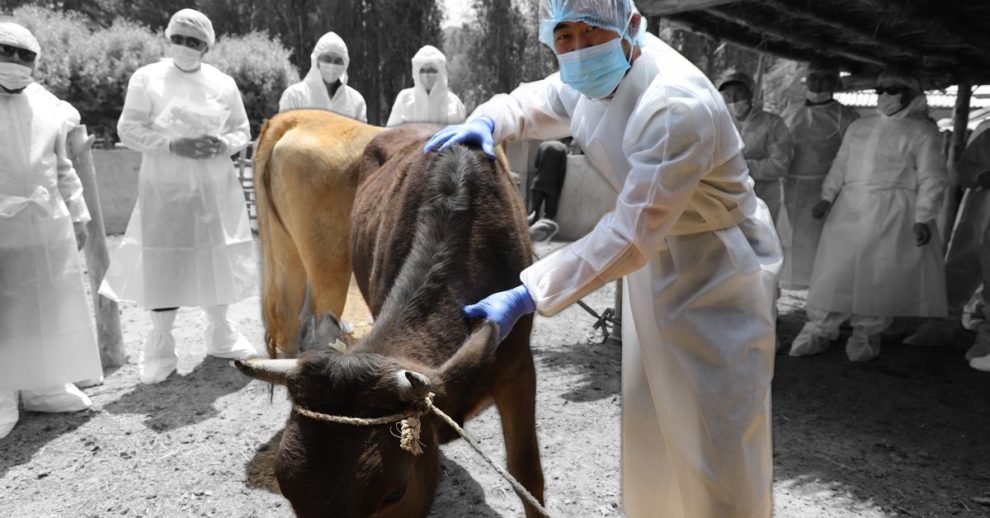
Nature can be surprisingly strange when things go wrong. From bizarre animal disorders to unusual plant infections and parasites that alter behavior, these facts highlight some of the most remarkable illnesses and biological conditions ever observed.
Tiny Snails, Massive Toll
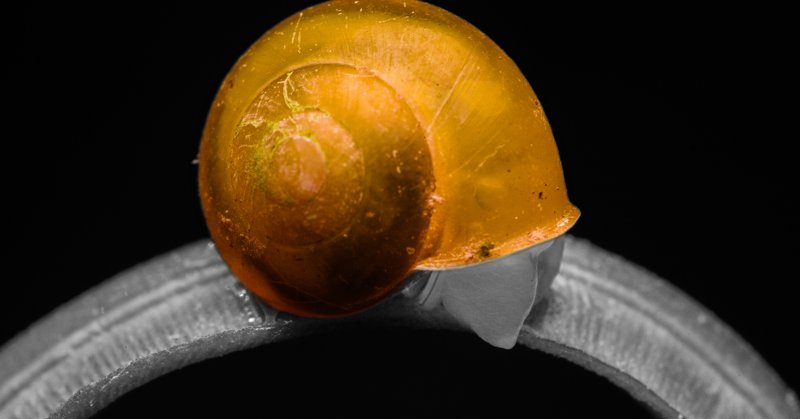
1. Freshwater snails are among the deadliest animals in the world because they transmit the organism that causes schistosomiasis, also called bilharzia, which is itself one of the most lethal parasites on the planet. In 2014 nearly 230 million people were infected, with 200,000 deaths each year.
2. An infection transforms a corn cob into a mushroom-like growth known as corn smut. It destroys the kernels but has a truffle-like flavor with some corn sweetness. In parts of the Americas it is a delicacy called Mexican truffle or huitlacoche, and it contains some proteins that corn itself lacks.
3. Asian tigers and other big cats can become infected with canine distemper virus, which in some cases causes them to lose their fear of humans and wander into busy towns and cities. This behavior can make endangered big cat species more vulnerable to poachers.
4. Foals with Lethal White syndrome, a genetic condition common in American Paint Horses, appear healthy at birth (all white with blue eyes) but die within a few days because their intestines do not function.
5. Fainting goats do not actually faint; they have a hereditary condition called myotonia congenita that makes their muscles stiffen as they start to run, causing them to fall over and appear to faint.
6. Cats can develop pimples. Feline acne consists of blackheads with inflammation on the cat’s chin. Persian cats can develop them on their faces and in skin folds. In severe cases they can harm the cat’s health and appearance. Warm compresses, washing, and exfoliating with benzoyl peroxide may help.
7. Hedgehogs can develop a condition called “balloon syndrome,” which causes the animal to inflate because gas accumulates under the skin after an injury or infection. Hedgehogs are the only animals known to get this illness because they uniquely have the ability to curl up.
8. Frankincense and myrrh come from the hardened resin of plants that live in deserts. The resin’s aroma comes from antibacterial chemicals the plant produces to protect itself from infection.
9. Gypsy moth caterpillars infected by a species of baculovirus are compelled to climb to the tops of trees, where they die, liquefy, and shower viral particles onto the foliage below to infect others.
10. Mistletoe is a parasite that infects hundreds of species of trees and shrubs. Once it begins growing it steals water and nutrients from the host and kills the portion of branch it occupies. Heavy infestations may kill the entire host plant.
Elevated Feeding for Affected Dogs
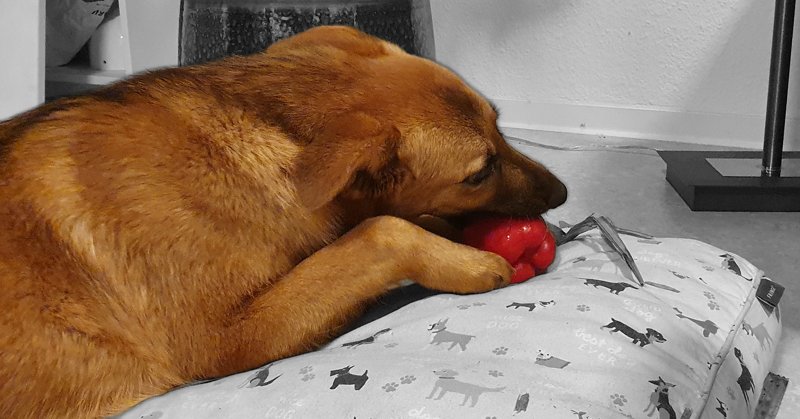
11. Dogs with megaesophagus often need to eat from an elevated position, such as a high chair, because of the condition.
12. Adopting puppies from the same litter is discouraged because it can harm the puppies’ ability to bond with people; this is known as “Littermate syndrome.”
13. Beer hops naturally produce an acid capable of killing a parasitic mite that can destroy entire bee colonies. Hops have shown so much promise in combating colony collapse disorder that the EPA has even approved their use as a biochemical miticide.
14. When deep-sea fish like red snapper are to be released after capture, they must be vented because they suffer barotrauma, meaning inflation of the air bladder, when they are rapidly brought up from the deep sea.
15. In the early 1980s the United States, Canada, and Mexico forced Haiti to eliminate its pig population to prevent the spread of African swine fever, and this action devastated Haitian peasant wealth.
16. In multiple incidents, thousands of toads have inflated with gas, expanded to several times their normal size, and then inexplicably exploded, flinging their innards as far as one meter away.
17. A liger is the hybrid offspring of a male lion and a female tiger. Because of a genetic disorder called growth dysplasia, they continue growing throughout their lives. They reach about twice the size of their tiger mothers and lion fathers. The largest cat in the world is a 922-pound liger.
18. Researchers have found compounds present in hallucinogenic mushrooms in a cicada fungus known as Massopora. Cicadas infected by it lose their appendages and begin acting strangely. Despite the fact that the fungus has eaten their genitalia and butts, males will still attempt to mate with anything they come across.
19. Mosquitoes infected with malaria actually suffer fitness costs from carrying the parasite. Studies have found that malaria-infected mosquitoes produced about half as many offspring as uninfected mosquitoes, and another study showed that mosquitoes genetically manipulated to be resistant to the parasite performed better than normal mosquitoes when feeding on infected prey.
20. Since 2013 there has been a deadly starfish pandemic in the Pacific Ocean. The illness, known as Sea Star Wasting Disease, is thought to be caused by a virus. Starfish respond to this stress by tearing off their own limbs, a reaction that ultimately kills them.
Too Much Food, Flipped Fish
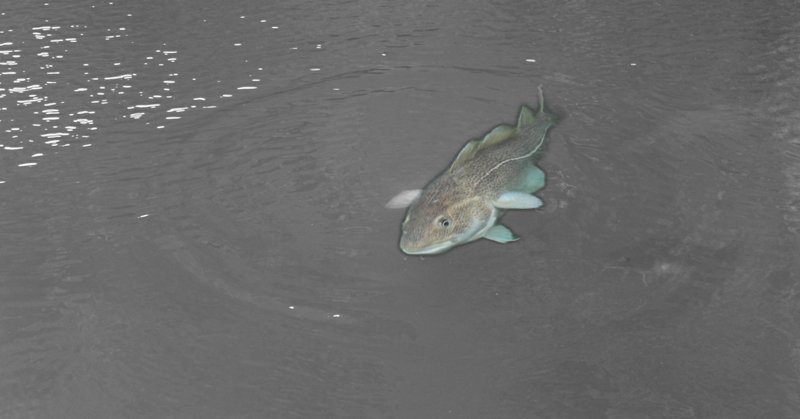
21. Feeding fish too much can cause constipation and lead to swim bladder disease, which makes them turn upside down and create a ‘false death.’
22. White Drupelet Syndrome affects blackberries and raspberries exposed to excessive sunshine or high temperatures, causing some of the drupelets (the small parts of the berry) to turn white, usually in a solid block or the entire berry. Although edible, very few actually make it to stores.
23. White-nose syndrome has killed millions of bats in North America. Researchers have not found a cure for the disease. Because of the bat decline, New England agriculture was badly affected in 2008, when an estimated 2.4 million pounds of insects went uneaten.
24. Lumpy jaw is a fatal disease that affects marsupials such as wallabies and kangaroos. It is caused by people feeding them too much soft food.
25. When a wasp lays an egg in a leaf bud on an oak tree, it develops into a small, apple-like growth called an oak gall. The larva releases a chemical that stimulates the gall’s development. The larva eats the gall tissue as its food source; it will consume that tissue and the tree’s roots before finally developing wings and flying away. Until the middle of the nineteenth century, the most common ink recipe was a mixture of iron and oak galls, and the United States Postal Service even had its own official recipe.




Add Comment