

The animal kingdom never runs out of surprises. From clever survival adaptations and remarkable intelligence to creatures that seem to break the rules of biology, these unusual animal facts reveal just how strange and fascinating life on Earth can be.
Following Their First Sight
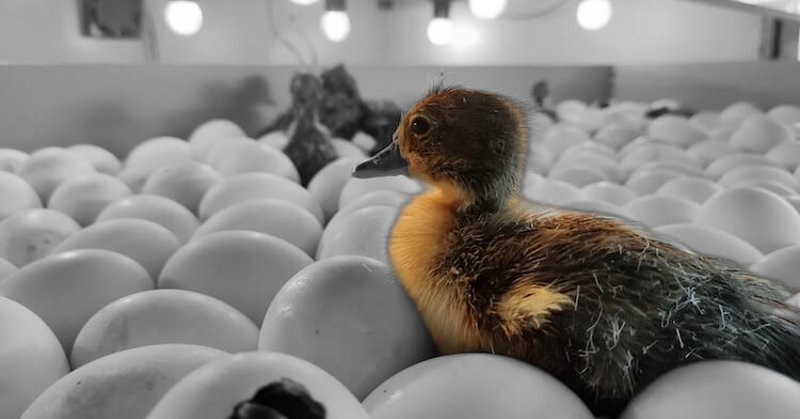
1. Newly hatched ducks adopt the traits of the first animal they encounter. If that first animal is a human, they will perceive themselves as human and continue to believe they are human as they mature. This behavior is called ‘imprinting’ and it is their innate instinct to follow the first creature they see.
2. Many wildlife biologists regard bears as among the most intelligent terrestrial animals in North America. They have the largest and most intricately folded brains in proportion to their size of any land mammal. Across the animal kingdom, their intelligence is comparable to that of higher primates.
3. In 2011, researchers tracking a male grey wolf they named OR-7 or ‘Journey’ observed that it traveled more than 1,000 miles alone through Oregon and California while seeking a mate.
4. Foxes are able to leap three feet into the air and plunge three feet into the snow to capture mice. Before diving nose-first with pinpoint accuracy, they judge the mouse’s speed and trajectory.
5. The word ‘duck’ comes from the bird’s habit of ducking its head under water to feed. The animal was named after the verb, not vice versa.
6. Frasier the Sensuous Lion was an 18-year-old lion (the human equivalent of 80) who was adopted by a pride of females at an animal park. He was blind, had no teeth, and could barely walk, but ended up siring 35 cubs.
7. As of 2011, wild pigs were one of the most destructive animals in America causing more than $400 million in damages a year in Texas alone. They can dig 3-feet deep destroying crops and even feast on lambs, calves, sea turtle eggs, and everything in between.
8. Some animals like crocodiles, alligators, and a few tortoises and turtles do not age physically, and can not die of physical old age. They die of diseases, accidents, predators, and other causes.
9. Mongoose was imported to the island of Hawaii in 1883 by the sugar industry to control the rat population. What they did not realize is the two animals were on opposite sleep schedules (nocturnal/diurnal) and thus mongoose was ineffective in reducing rat population.
10. Macaques and by extension many other monkeys and mammals have the anatomical capacity to speak but not the brain capacity and neural control to do so. This contradicts the often claimed statement that animals can’t make speech due to their specific anatomy.
Snails Must Have Tickets
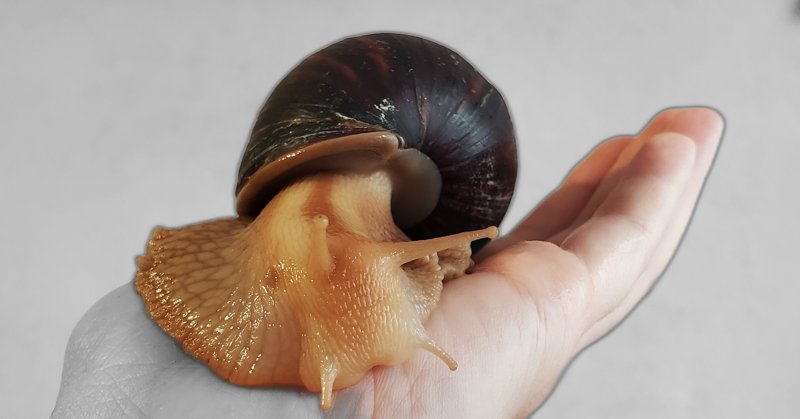
11. In France, live snails require their own train ticket if you bring one aboard. Under French law, any animal weighing under 6 kg (approx. 13 lbs) requires payment of 7 euros (approx. $7.50) for the journey. The law requires you to stay with your snail and to keep it and the other passengers safe for the whole ride.
12. Possums and opossums are different animals, and their spellings should not be used interchangeably.
13. Cows are social animals that can recognize each other by facial features, a capability attributed to only a small number of species.
14. Pigs are smarter than any other domestic animal, and animal experts consider them more trainable than dogs or cats.
15. Hippos can sleep underwater using a reflex that lets them bob up, take a breath, and sink back down without waking.
16. The gopher tortoise is a species of turtle native to the southeastern United States. The gopher tortoise is seen as a keystone species because it digs deep burrows that provide shelter for at least 360 other animal species, often preserving their lives during forest fires.
17. The Spinifex Hopping Mouse has one of the most efficient kidneys of any animal and creates its own water through metabolic processes. They produce solid urine with very little water.
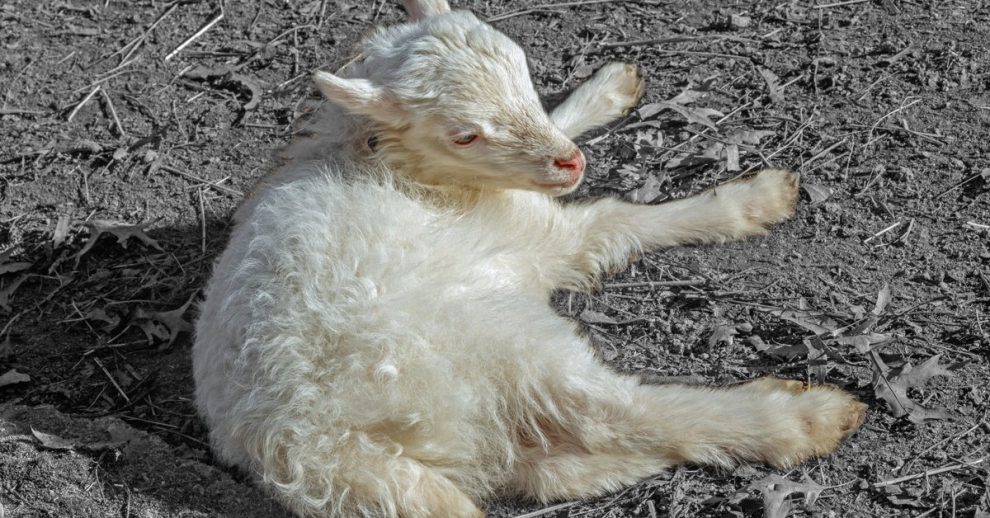
18. Goats have horizontal, slit-shaped pupils. Because goats’ irises are usually pale, their contrasting pupils are much more noticeable than in animals such as cattle, deer, most horses, and many sheep.
19. Golden Poison Frog is one of the most toxic animals on Earth. It can kill 10 adult humans with just 1mg of its poison. Interestingly Golden Poison frogs raised in captivity and isolated from insects in their native habitat never develop venom.
20. There is a rare breed of pig called sheep-pig, which is capable of producing wool, just like sheep. There are many variations of these animals, the Mangalica is one of the most common breeds.
Fast Long Necked Savanna Sprinters
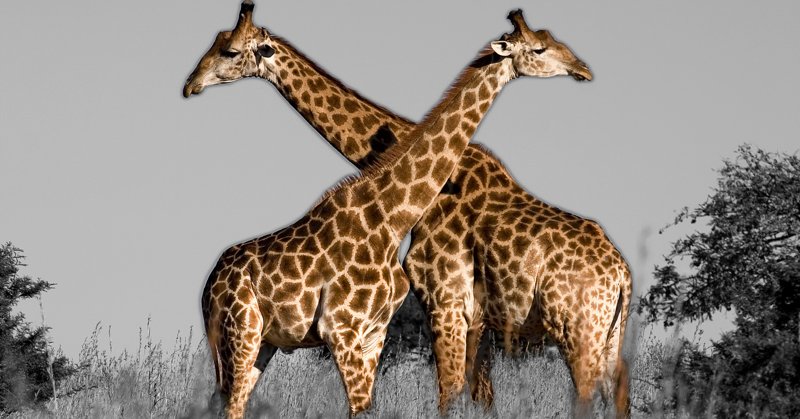
21. Giraffes are capable of very fast running. At a gallop they can reach speeds of up to 60 km/h, placing them among the fastest animals in the savanna, right after members of the cat family.
22. The world’s largest known sponge was discovered off the coast of Hawaii. The animal is an unidentified genus of sponge with a bluish-white color and a brain-like appearance, around the size of a minivan.
23. Alpheidae, also known as the pistol shrimp, is one of the loudest animals in the sea. The quick snaps it makes with its specialized claw create a cavitation bubble moving at 60 miles per hour; when the bubble collapses it reaches temperatures of over 7,700°C and is 218 decibels loud, strong enough to kill small fish and even create a tiny flash of light.
24. There is a jellyfish that undergoes a process called transdifferentiation. Instead of dying, it can reverse its life cycle, earning the name the Immortal Jellyfish – the only known animal to do this.
25. The Costasiella kuroshimae (also known as “leaf slug” or “leaf sheep”) is a species of sacoglossan sea slug that has the ability to retain the chloroplasts from the algae it feeds on and use them to photosynthesize its own energy.


Add Comment