

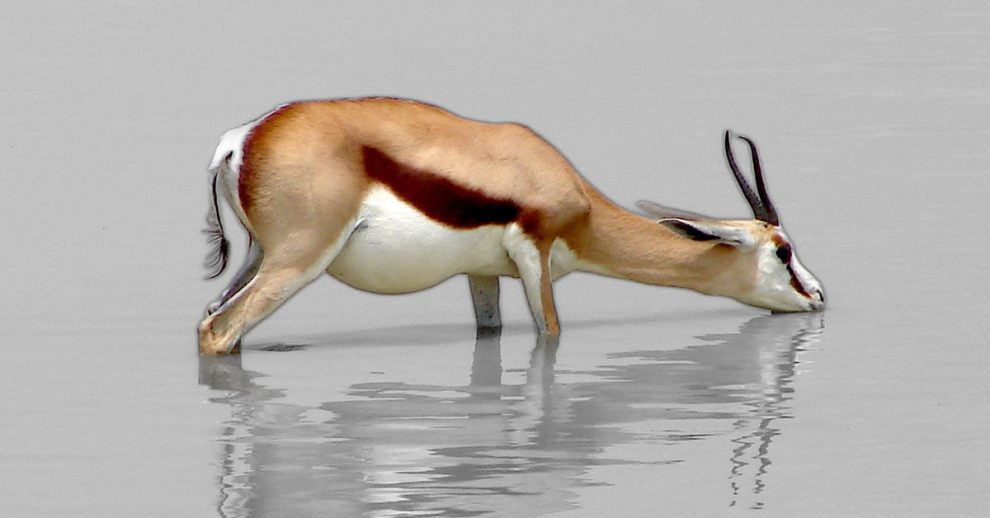
Motherhood in the animal kingdom can be astonishing, heartwarming, and sometimes surprisingly harsh. From incredible sacrifices to unusual survival strategies, these facts reveal just how far animal mothers will go to give their offspring the best chance of survival.
Perpetual Pouch Production Phenomenon
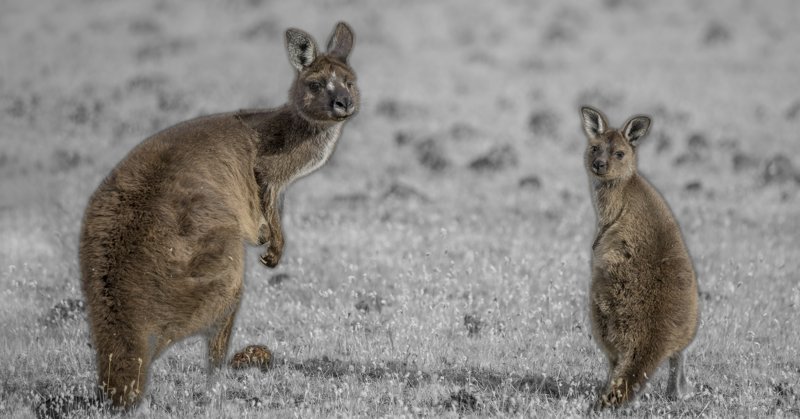
1. Female kangaroos can remain continuously pregnant. While a joey is nursing in her pouch, another embryo pauses its development until that joey leaves the pouch, after which the inch-long newborn crawls up to and into the pouch.
2. Quokkas possess an unusual survival instinct that is triggered when a mother is threatened by a predator. She will throw her baby at the predator, and the baby will hiss at the predator while the mother makes her escape.
3. Groups of mongoose mothers give birth on the same night because having enough births occur together protects their offspring from predators.
4. Kangaroos can suspend their pregnancies for up to two years during periods of hardship and then resume the pregnancy when conditions improve.
5. If a camel rejects her newborn or an orphaned calf needs to be adopted, Mongol herders use a chanting ritual accompanied by a fiddle or flute to coax her into accepting the calf. The camel mother may act aggressively at first, so the herders alter the melody depending on her behavior.
6. Mother black bears do not usually attack to protect their cubs. They can display harmless bluffing that makes them appear fierce. Actual defensive attacks on people to protect cubs are seen mainly in grizzly bears rather than black bears.
7. Most polar bears are born as twins and although they are the largest land carnivores, newborn cubs measure only about 10 inches (25 cm) in length and weigh roughly 2.2 pounds (1 kg). They grow quickly because the mother’s milk is 31% fat.
8. When newborn opossums latch onto a nipple for the first time, the nipple swells and the infant remains attached to it for 55 to 60 days.
9. Scientists attempted to gestate panda fetuses inside a cat. The experiment succeeded, but the cat’s mother died of pneumonia before she completed term.
10. A Black Robin called “Old Blue” became effectively the mother of her entire species when she was the only fertile female among five Robins. There are now 250 Black Robins on the Chatham Islands, and because of her the species was elevated from Critically Endangered to Endangered.
Matriarchs Boost Sons’ Mating
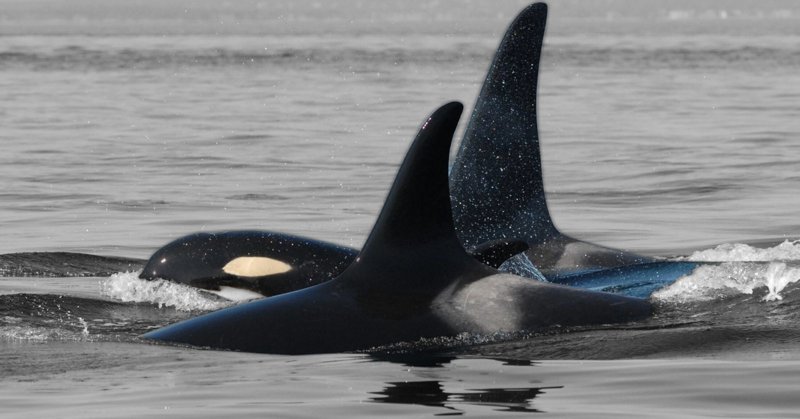
11. Killer whale mothers commonly remain with their grown sons for their entire lives, sharing prey and knowledge, and may play a direct role in creating mating opportunities because they strongly want grandchildren.
12. A female Giant Pacific Octopus can lay 50,000 eggs. She then stops eating and spends the following six months slowly dying as she tends to and protects them. On average, only 2 of the 50,000 baby octopuses survive.
13. The African elephant has the longest gestation of any mammal, with an average pregnancy lasting almost two years.
14. Dolphins are born with hair around the upper lip, effectively a mustache. This mustache helps newborn dolphins locate and feel their mother during the first few days of nursing and falls off after about a week because of a natural depilatory process.
15. Mother deer will instinctively come to the rescue of a crying human baby. In fact, mammal infant cries share similar sonic characteristics, and deer have been observed reacting not only to human cries but also to cats and baby seals when those sounds are played through a hidden speaker.
16. Female black bears postpone implantation of fertilized eggs for months, effectively controlling when they will give birth, and they terminate the pregnancy if they are not healthy enough to raise cubs.
17. Infant sloths that fall from their mother’s grip to the ground usually survive, but sometimes the mother will not descend to retrieve the baby because doing so would risk exposing her to predators.
18. When mother otters dive for food, they wrap their pups in large kelp so the babies will not float away.
19. After about eighty of her eggs hatch, a female black lace-weaver stops tending her web and eating and devotes all her time to feeding her newborns; she regurgitates fluid made from her recent meals and some of her own internal tissues, and when that supply runs out she drums on her web to call her young to come and eat her alive.
20. Baby koalas must eat their mother’s feces for the first few months of life because they are not yet able to fully digest and detoxify the compounds in eucalyptus leaves.
Solitary Fawns, Mistaken Human Rescues
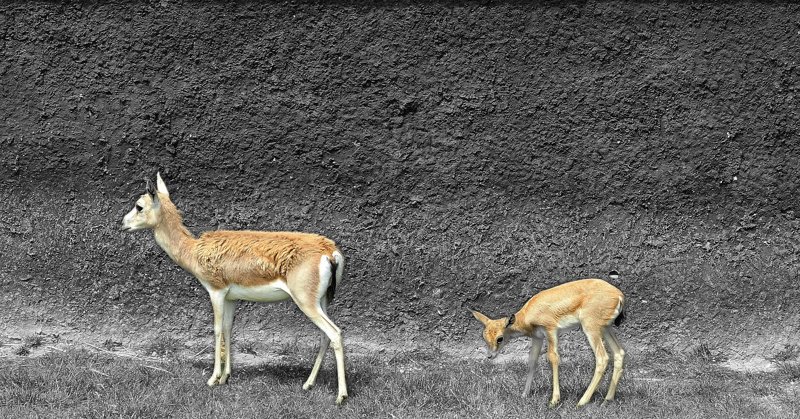
21. Baby deer, called fawns, are frequently left alone for hours while their mothers forage for food. Well-meaning people sometimes ‘kidnap’ fawns, mistakenly believing they have been abandoned when the fawns are actually waiting for their mother.
22. Newborn dolphins and their mothers do not sleep during the infant’s first month and continue to sleep very little for the following several months.
23. If a lamb dies, dressing another lamb with the deceased lamb’s skin will cause the dead lamb’s mother to accept that other lamb.
24. Newborn kittens must begin drinking milk shortly after birth and no later than 24 hours. During the first several days after giving birth, mother cats produce colostrum, a yellowish, watery substance rich in maternal antibodies, proteins, and minerals.
25. Matriphagy has been observed in the Australian spider species Diaea Ergandro. The mother allows her babies to suckle blood from the joints of her legs until she becomes weakened and usually dies. This prevents early cannibalism among the spiderlings and thus results in more of the clutch surviving.


Add Comment