

The animal kingdom is packed with strange behaviors, unlikely partnerships, and stories that sound almost too bizarre to be true. From clever survival tactics and surprising intelligence to unusual relationships between species, these facts offer another fascinating glimpse into the natural world.
Fur Density Beyond Belief
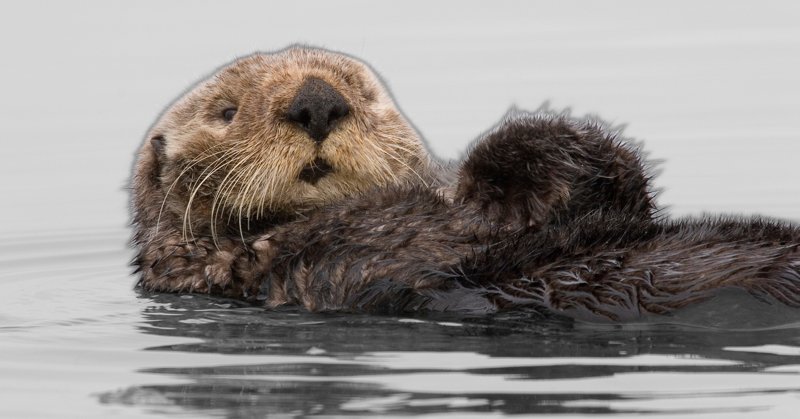
1. Otters possess the densest fur of any known mammal, reaching densities of up to 1 million hairs per square inch, and a large male can sometimes have as many as 800 million hairs across its entire body.
2. Paul-Félix Armand-Delille, a French bacteriologist, attempted to use a virus to kill rabbits on his property. By the 1950s he had inadvertently eradicated over 90% of the rabbits in Western Europe. He was prosecuted and fined, yet the French government later awarded him a medal that depicted a dead rabbit.
3. During World War II the British Army maintained a monthly budget specifically to feed the monkeys of Gibraltar. Any monkey that became seriously ill or injured was treated in Royal Navy hospitals. They were entitled to the same treatment that a human serviceman would receive.
4. Eating excessive amounts of lean protein can produce symptoms similar to general malnutrition in a condition known as protein poisoning, more colloquially called “rabbit poisoning” because the first observed cases were frontiersmen who ate nothing but wild rabbits over the winter and developed the symptoms.
5. The red-crested tree rat, believed to have been extinct for 119 years, suddenly appeared at a hotel in Colombia where two conservationists were staying and allowed them to photograph it for a few hours before disappearing again.
6. Oxpeckers not only remove ticks from African animals such as elephants, they also drink the hosts’ blood and make wounds larger, and scientists now believe the birds are parasites rather than examples of mutualism in which both parties benefit.
7. Tree shrews in Borneo use pitcher plants as toilets: the shrews feed on nectar from the plants’ leaves and deposit their feces into the pitchers, which the plants then use as a source of nitrogen, an element they would not acquire easily without the shrews.
8. A project is underway to bring an extinct animal back and reintroduce it into its former habitat; the last quagga, a subspecies of the plains zebra, died in 1883, and to date the Quagga Project has produced breeding lineages at 10 locations in South Africa.
9. Only one mammal species uses stridulation to communicate with other members of its group: the lowland streaked tenrec, native to Madagascar, rubs its spines together to produce high-pitched sounds in the same way crickets use their scrapers to chirp.
10. The term “opossum” can refer to any of more than 100 species of marsupials found in the Americas, while “possum” technically refers only to the 67 marsupial species found in Australia, Indonesia, and Papua New Guinea.
When Llamas Turn Aggressive
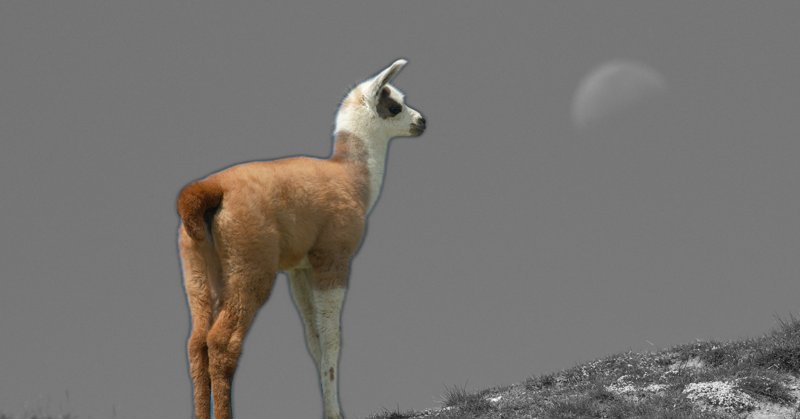
11. Berserk llama syndrome, or berserk male syndrome, is a psychological disorder affecting llamas and alpacas raised by humans that can lead them to display dangerously aggressive behavior toward people.
12. The Fermi National Accelerator Laboratory in Illinois once used a ferret named Felicia to clean its particle accelerators; she ran through the tubes with cleaning supplies attached and was rewarded with hamburger meat.
13. Miss Baker, a squirrel monkey, was among the first animals launched into space by the USA to return safely. After her flight she set the record for the longest-lived squirrel monkey, dying at age 27. Her grave is often decorated with one or more bananas.
14. Porcupines are often observed carrying large bones back to their dens and eating them because they require the nutrients in those bones to grow their quills.
15. An introduced bison population on Antelope Island in the Great Salt Lake is genetically distinct enough from most farmed bison that it serves as one of the main genetic sources for reestablishing wild bison populations in North America.
16. Flies have difficulty landing on striped surfaces, so zebras experience far fewer fly attacks that can transmit deadly diseases. Zebra stripes are more pronounced in environments that favor horseflies.
17. The donkey is the domesticated descendant of the African Wild Ass. The African Wild Ass is a critically endangered West African horse, with an estimated 570 individuals remaining in the wild.
18. In Germany each year, martens are estimated to cause $65 million in car damage by gnawing on rubber and plastic components.
19. Fossil evidence indicates that a species of dwarf elephant once lived in Sicily. Adult males grew to about one meter tall, while the babies were roughly the size of pigeons.
20. The world’s most expensive cheese was created to help conserve Serbian donkeys, whose population had fallen to under 1,000 in the 1990s. Pule cheese is made from the milk of 250 donkeys at the Zasavica Special Nature Reserve and, because of its rarity, sells for over $1,700 per kilogram.
Salty Potato Habit Emerged
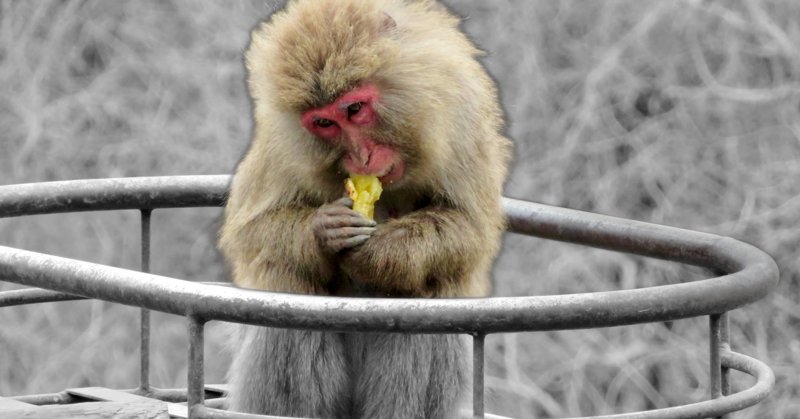
21. In Japan, monkeys learned to rinse sweet potatoes in fresh water to cleanse them. Later they began rinsing sweet potatoes in salt water. It is theorized that this change occurred because they prefer the salty flavor to plain potatoes.
22. In India, deer, which are red-green colorblind, take advantage of the langur monkeys’ superior eyesight by staying close to them and learning the monkeys’ alarm signals for predators that pose a danger to the deer.
23. Lemurs chew on millipedes that secrete cyanide and then rub them into their fur both to achieve a narcotic effect and to protect themselves from mosquitoes.
24. The gopher tortoise is a turtle species native to the southeastern United States and is regarded as a keystone species because its deep burrows provide shelter for at least 360 other animal species, often preserving their lives during forest fires.
25. Rats left alone in water will drown within a few minutes because they become hopeless, but if they know there is a chance of rescue they can survive for days.


Add Comment