

Insects may be tiny, but some of them have abilities and behaviors that sound completely unbelievable. From exploding aphids and mind-altering parasites to record-breaking hunters and bizarre mating strategies, these facts reveal just how strange and fascinating the insect world can be.
Scream Then Lie Down
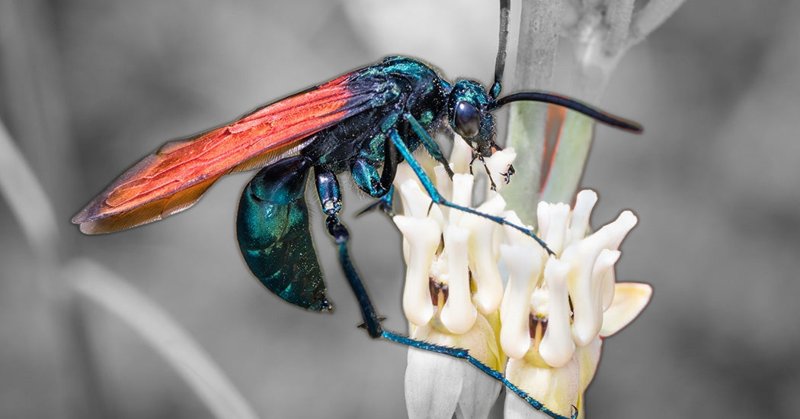
1. The tarantula hawk wasp’s sting is extremely painful yet not fatal, and experienced professionals will advise lying down and screaming if stung because most people lose verbal and physical coordination afterward.
2. Dragonflies possess a high power-to-weight ratio and have been documented accelerating at 4 G in linear motion and 9 G in sharp turns while pursuing prey.
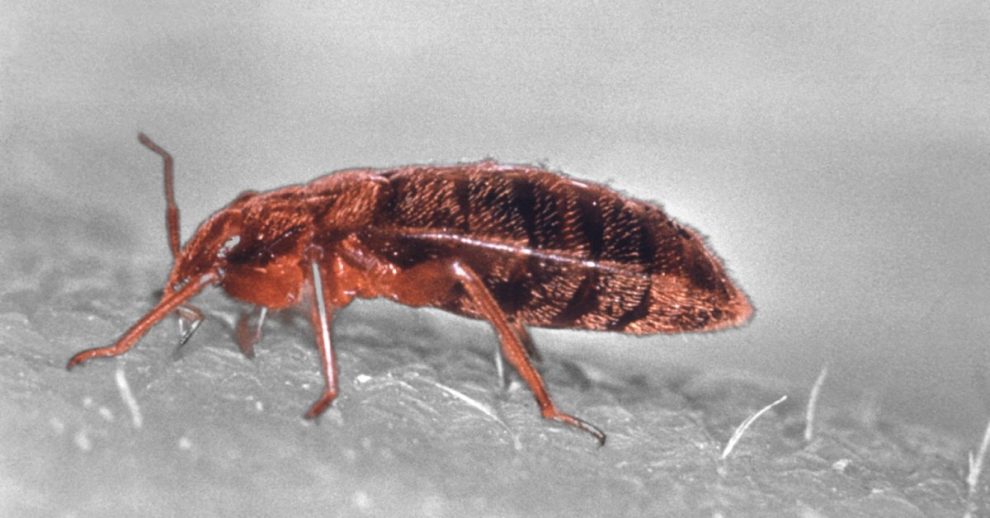
3. Male bed bugs inseminate females (and other males) by piercing the body wall to inject sperm, since the female lacks a natural opening for receiving his sperm.
4. Ants avoid traffic jams because they lack egos, tolerate collisions, and maintain strict discipline when moving through crowded pathways.
5. Megaphragma mymaripenne wasps are smaller than amoebas. At just 200 micrometers in length, they have a functional brain and can see, fly, search for food, and find places to lay eggs.
6. Dragonflies rank among nature’s most efficient killers, catching their prey in over 95% of attempts.
7. A pregnant aphid’s developing daughter can already carry a daughter inside her, a phenomenon called telescoping generations.
8. Some insects, such as the pea aphid, can burst themselves to frighten or kill enemies, and this has been observed occurring after they were eaten.
9. A species of ant has a head that has evolved into a ‘door’ used to block the entrance to its nest.
10. Mosquitoes are actually very weak fliers, reaching only about 1 mph. The American Mosquito Control Association says just a fan can keep them away.
Serotonin Sparks Locust Transformation
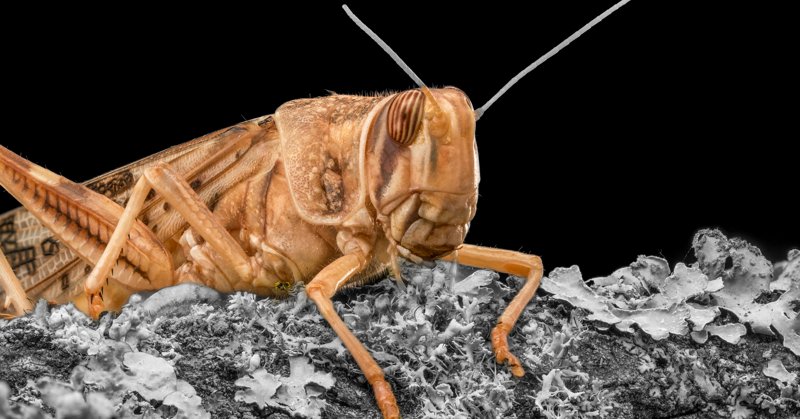
11. A rise in serotonin, a common brain chemical, causes grasshoppers to metamorphose into locusts in two to three hours.
12. Praying mantises seldom consume their mates in the wild; this behavior mainly occurs in captivity under stressful conditions.
13. In 1312, a number of Cockchafer beetles, which were a major pest for crop farmers, were brought into a courtroom in Avignon and ordered to withdraw to a designated territory; when the beetles did not comply, they were collected and killed.
14. A Malaysian insect known as the assassin bug wears the bodies of its victims as armor.
15. The Himalayan honey bee is twice the size of normal honey bees, and its honey is known to have hallucinogenic properties; tribes in Nepal collect this honey from high cliffs.
16. Africanized bees, also called killer bees, are hybrid breeds that accidentally escaped laboratory quarantine and have since spread across the Americas.
17. Ants can mistakenly follow chemical trails left by other ants and begin walking in circles. If enough colony members join, the entire colony can be killed in an event sometimes referred to as the ‘Death Spiral.’
18. Rather than using venom, the braconid wasp produces an immune-suppressing virus that enables its parasitic larvae. This trait stems from a 100-million-year-old virus that altered the wasp’s DNA and resulted in the development of an organ whose only purpose is to assemble the virus.
19. A single ant can reach the age of 29.
20. The ant species Solenopsis daguerrei will infiltrate a fire ant colony, kill the queen, and take her place. The workers then rear the impostor’s offspring, which later fly off to infest additional colonies. These ants are being considered as a viable biological deterrent to control the spread of fire ants.
Misnamed Mosquito Predator Myth
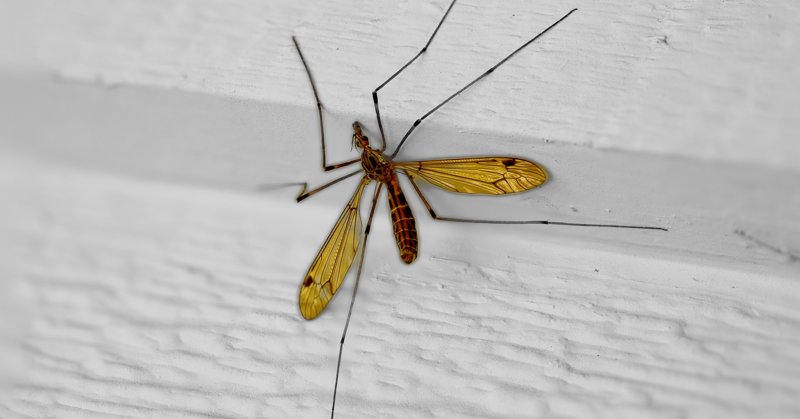
21. The cranefly, also called a “Mosquito Hawk”, does not actually eat mosquitoes despite popular belief.
22. Some “heater bees” maintain body temperatures 10 degrees higher than other colony members to warm the hive. They can also adjust temperatures around developing pupae to influence whether those bees become foragers or “housekeeper” bees.
23. A queen bee will keep mating until she has collected more than 70 million sperms from multiple males.
24. The horned dung beetle is the world’s strongest insect; it is hundreds of times stronger than an ant.
25. When a fruit fly species (Drosophila melanogaster) was kept in total darkness for 57 years (1400 generations), they began to show genetic changes that resulted from environmental conditions.




Add Comment