

Wild cats are among nature’s most powerful and fascinating predators. From elusive jungle hunters and desert survivors to famous man-eaters and giant big cats, these facts reveal the incredible adaptations, behaviors, and stories behind some of the world’s most remarkable felines.
Tiny Cat, Huge Fangs
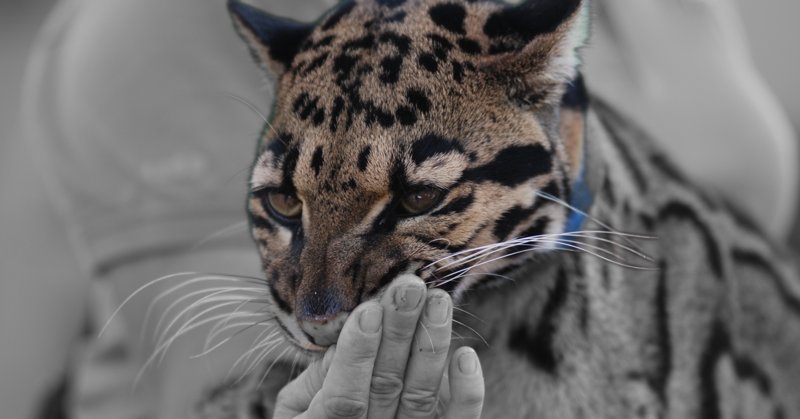
1. Among cats, the Clouded Leopard has the largest canine-to-body ratio and is referred to as “the modern saber-tooth.”
2. The cougar holds the Guinness record as the animal with the most names, with over 40 in English alone.
3. In some regions leopards commonly hunt dogs. They will even carry off dogs much larger than themselves, including breeds used to protect against them such as the Tibetan Mastiff and the Newfoundland. Iron collars are sometimes used to protect the dogs’ necks so they have a chance of surviving the initial attack.
4. All captive white tigers can be traced to a single original tiger. Every white tiger bred since has been repeatedly inbred, causing major deformities at birth. They are not a subspecies, so they are not endangered, and they are kept only to bring in more money.
5. Tigers are the only predators known to regularly prey on adult bears.
6. Jaguars are native to North America, and a population still lives in southern Arizona and New Mexico.
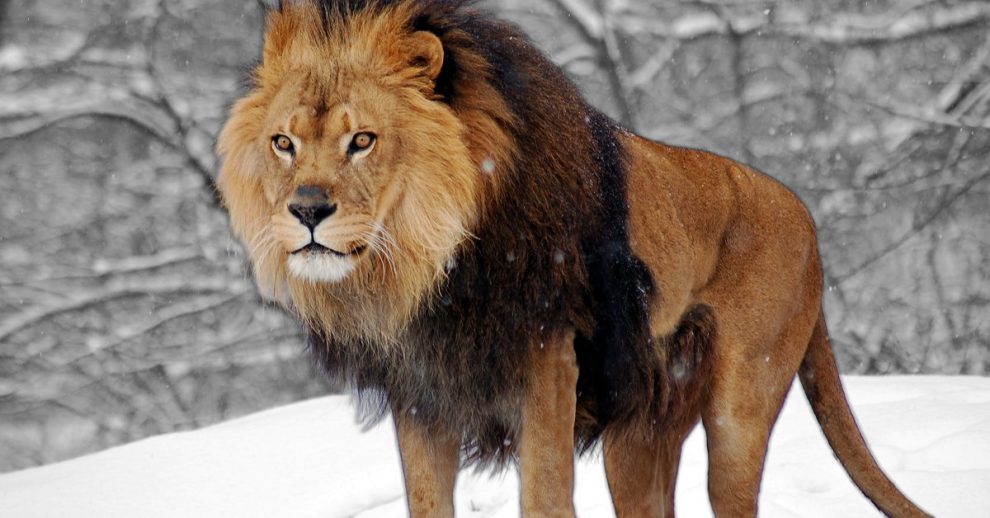
7. Asiatic lions still live in India’s Gujarat state, and they are the only lions that naturally live outside of Africa.
8. Jackie the lion, one of MGM’s mascots, survived two train wrecks, an earthquake, a boat sinking, and an explosion at the studio, and he was also in a plane crash that left him stranded in the Arizona wilderness for days.
9. A tiger’s tongue is so coarse that it can lick flesh down to the bone.
10. The cougar, mountain lion, puma, panther, and catamount are all the same species, Puma concolor.
Fading Blue Tiger Subspecies
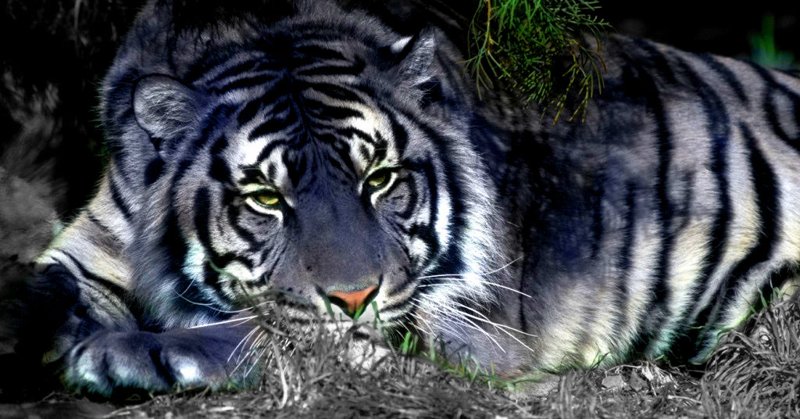
11. A subspecies of tiger known as the Maltese Tiger, characterized by dark blue fur, is now practically extinct.
12. The parents of every lion cub that survives to one year have mated nearly 3,000 times.
13. At full speed a cheetah’s average stride is about 22 feet in length.
14. The Amazonian margay can mimic the distress call of a baby monkey to lure adult monkeys to their doom.
15. In China tigers are bred in captivity, and captive tigers far outnumber wild ones because tigresses are made to produce cubs at three times their natural rate by weaning cubs onto pigs and dogs; they are bred to produce tiger bone wine.
16. The jaguar’s main canine teeth used for killing contain nerves that help locate the exact spot to clamp onto in order to make the kill most effective.
17. Cheetahs cannot roar; they are limited to meowing because the hyoid bone is absent in their neck.
18. Ligers continue growing throughout their lives because of a genetic disorder called growth dysplasia. They grow to about twice the size of their parents, with the mother a tiger and the father a Lion. The largest cat in the world is a 922lb Liger.
19. Sand cats can survive temperatures from −5 °C (23 °F) up to 52 °C (126 °F), and although they will drink if water is available, they can survive for months on the water contained in their food.
20. If the Iberian lynx population were to die out, it would be the first feline species to become extinct since prehistoric times.
Not A Separate Species
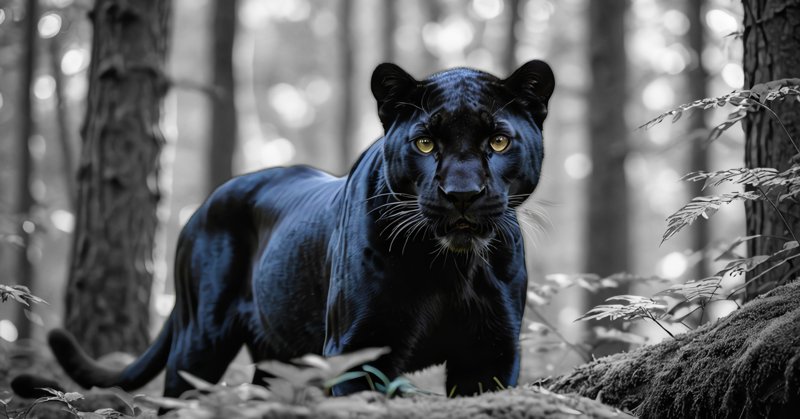
21. A black panther is not a distinct species; it is a melanistic jaguar or leopard, which is the opposite of albinism.
22. When the Champawat Tigress, a Bengal tiger responsible for the deaths of over 436 people, was killed, it was discovered that its canine teeth were broken, which had prevented it from hunting its natural prey.
23. The Bornean Bay Cat ranks among the rarest wild cats in the world. Only 12 specimens were studied between the years of 1874 and 2002, and the species was not caught on film until 2009.
24. A toothless geriatric lion named Frasier successfully sired 35 cubs after lionesses turned down countless healthy males before him.
25. When wronged, tigers can seek revenge and are very vengeful.








Add Comment