

Insects continue to surprise scientists with behaviors that seem more like science fiction than real life. From mind-controlling wasps and farming ants to tear-drinking moths and high-altitude bumblebees, these facts reveal another side of the insect world that most people never get to see.
Bumblebee Winter Preflight Routine
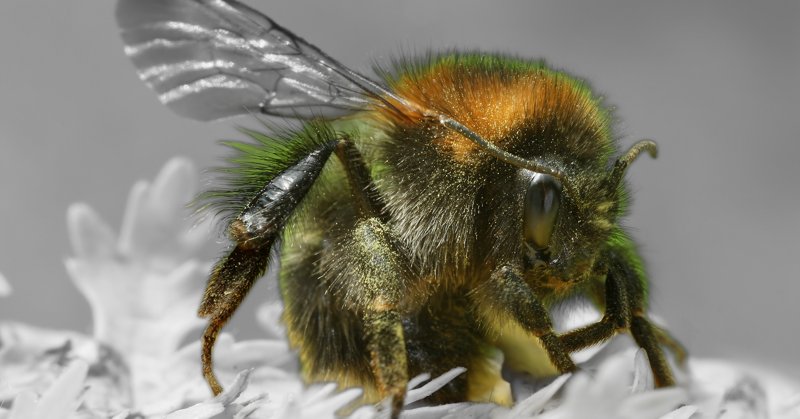
1. In the winter, a bumblebee will do warm-up exercises before it takes flight.
2. Mayflies, fishflies, and shadflies have been chosen as bio-indicators of water quality in ecological assessments because their larvae cannot survive in polluted aquatic habitats.
3. Mosquitoes urinate on you. When a mosquito sucks blood, it needs to get rid of the excess fluid.
4. Some ants were able to recognize themselves in a mirror, displaying self-cleaning behavior after seeing a dot painted on their head, and they failed to do so when the dot was not visible.
5. The Cuckoo bumblebee has lost the ability to collect pollen and to rear their brood. Once a female infiltrates a host colony, she will kill or subdue the colony’s queen and forcibly “enslave” the workers of that colony to feed her and her developing young.
6. The antlion builds a clever trap that captures ants perfectly and without fail.
7. In 2011, a prehistoric giant ant called Titanomyrma, roughly the size of a hummingbird, was discovered in Wyoming.
8. A male fire ant’s sperm can remove the female DNA from an ovum, effectively producing an offspring that is a clone of the male.
9. Male carpenter bees try to frighten people by hovering and buzzing close to their faces.
10. In Dinoponera quadriceps, the alpha female punishes any pretender by chemically marking her for punishment, then allowing the others to immobilize and bite the offender for four days. She is eventually released but loses her high rank.
Dementor Wasp’s Chilling Name
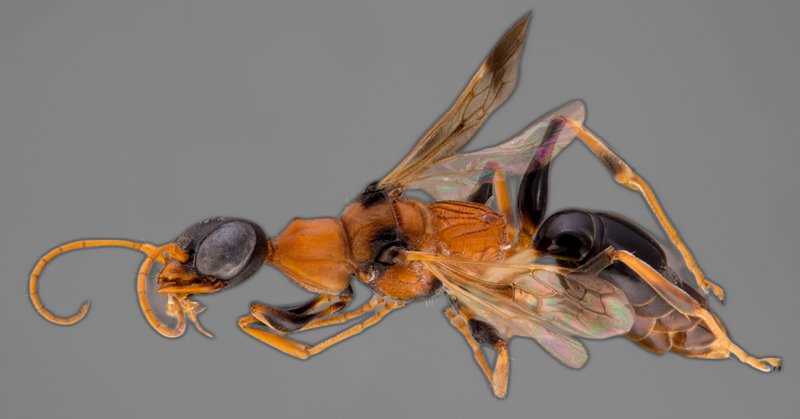
11. Ampulex dementor is a species of wasp named after the Dementors in the Harry Potter series. The name was chosen to reflect that the wasp uses a toxin to neutralize the neural behavior of cockroaches, rendering them so docile it is described as if their souls had been sucked out.
12. Bumblebees are capable of flying at altitudes higher than Mount Everest.
13. A species of wasp called Ichneumonidae laid its young in a living host, and this made Charles Darwin lose faith in a ‘benevolent God.’
14. A cockroach’s exoskeleton allows it to withstand weights up to 900 times its body weight.
15. Many scientists agree that complete eradication of mosquitoes would not have any serious ecological consequences.
16. Researchers in Germany observing a wild tobacco plant found that when caterpillars fed on it, the plant emitted a chemical distress signal that drew predatory insects, which then consumed the caterpillars.
17. Female hangingflies require a food gift from a male before mating. The larger the gift, the longer she takes to eat it, and therefore the longer she permits mating.
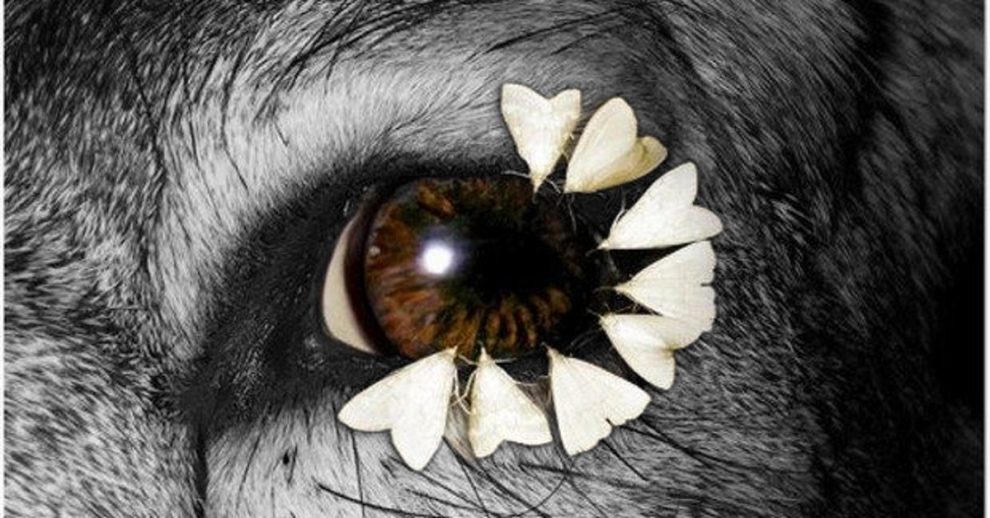
18. A moth species, Mabra elephantophila, feeds on elephant tears. If an elephant is not secreting tears, the moth will irritate its eye to induce tear production.
19. Certain female fireflies imitate the light patterns of females from other species to attract male fireflies and then consume them. These insects are known as “femme fatale fireflies”.
20. Wasps are highly valuable to horticulture because they prey on nearly all pest insects and serve as a natural form of pest control.
Ants Use Military Style Tactics
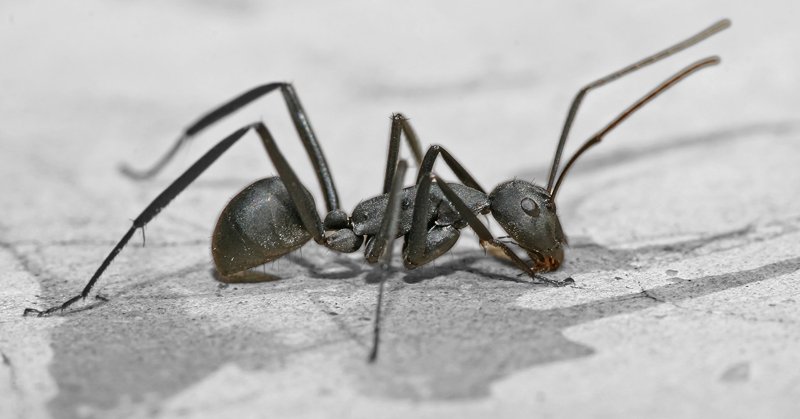
21. Ants wage war in ways comparable to humans; they employ advanced tactics such as reconnaissance and send expendable individuals to the front lines to protect their stronger members.
22. Ants were the first non-human meat farmers; an African breed of ants raises other bugs for food.
23. Inside the chrysalis, caterpillars dissolve and ‘die,’ so the butterfly that emerges could be regarded as a ‘new’ organism. Scientists even think they evolved from two different ancestors.
24. Until about the mid 20th century, bumblebees were called humblebees.
25. Moths constitute a significant part of Yellowstone bears’ diets, and a bear can eat up to 20,000 calories’ worth of moths in a single day.




Add Comment