

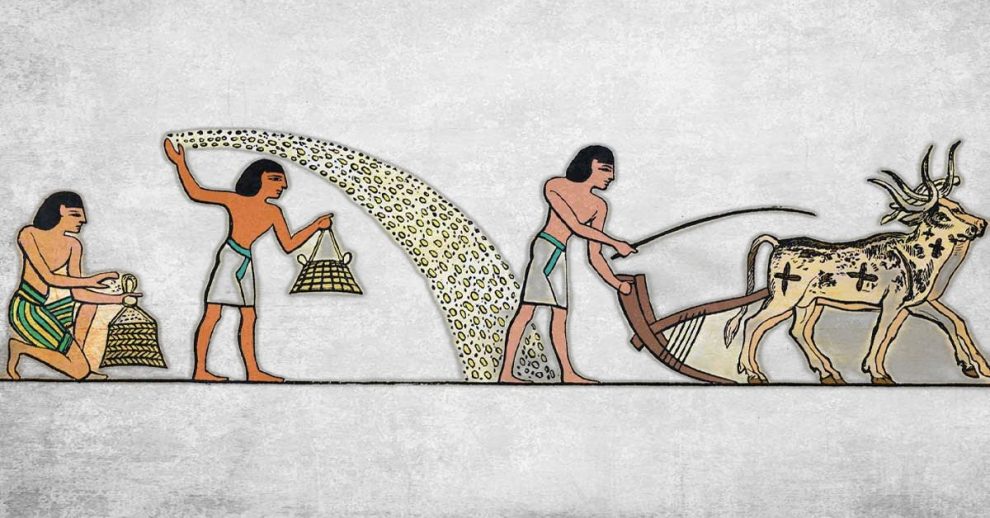
Domestication has shaped human history in ways that often go unnoticed. From animals that became dependent on people to crops that traveled across continents, these facts reveal some of the surprising stories behind humanity’s long relationship with the living things it has cultivated, tamed, and transformed.
Humps, Herds, Ancient Indian Ranchers
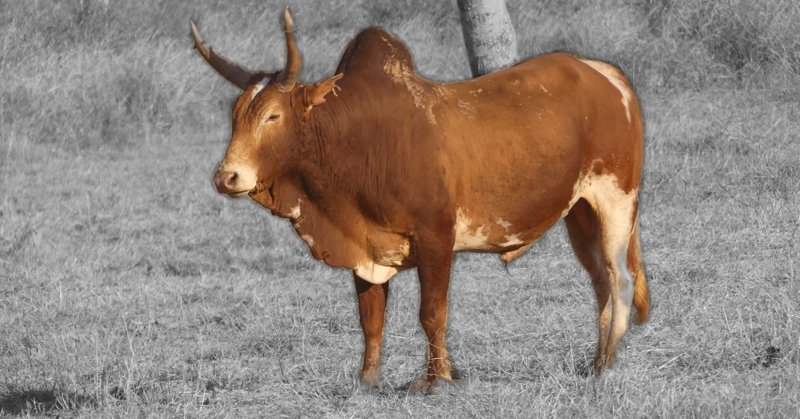
1. The zebu, or humped cattle, was domesticated in India. Although modern cattle have different origins, India was crucial in domesticating the ancestor of these animals. In fact, the earliest cowboys were Indians.
2. Domestic dogs descended from a tamer form of the gray wolf. Genetic data indicate dogs were domesticated in Asia at least 15,000 years ago, although some researchers maintain the dog-human partnership may date back as far as 100,000 years.
3. Because they are different species, domesticated rabbits cannot interbreed with wild rabbits.
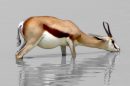
4. The milk of the domesticated eland, a large African antelope, keeps for up to 80 times longer than cow’s milk. Elands also require far less water than cattle.
5. In Mexico the Aztecs domesticated tomatoes, which originated in South America and later became a staple of Italian cuisine. Hernán Cortés encountered them there and sent them to Europe.
6. Around 18,000 years ago, tribes in New Guinea attempted to domesticate cassowaries.
7. Wild oats and rye self-domesticated by growing within wheat fields and, over generations, coming to resemble wheat. This process, called Vavilovian mimicry, led to their selection through agriculture.
8. People domesticated avocados about 5,000 years ago, making avocado cultivation as old as the invention of the wheel.
9. There are no wild alpacas; the alpaca is the domesticated form of the vicuña, a species closely related to llamas.
10. Rabbits were domesticated in the 7th century A.D. The Catholic Church played a role in their domestication by ruling that fetal rabbits were a type of fish, making them acceptable to eat during Lent.
One Species, Two Names
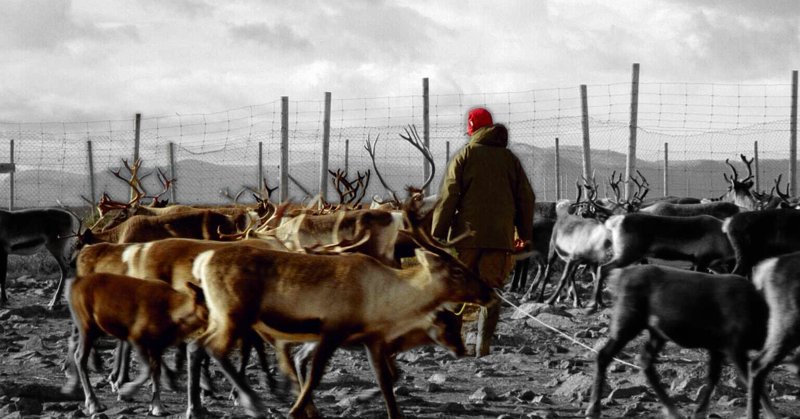
11. Reindeer and caribou belong to the same species. In North America, the term “caribou” is used for wild animals while “reindeer” refers to domesticated ones. In Europe, they are universally called reindeer.
12. Because of extensive human intervention, domestic sheep have evolved to depend on humans for shearing, as their wool no longer sheds naturally.
13. All domesticated hamsters kept as pets today are descendants of a single “Adam and Eve” pair captured in Aleppo, Syria, in 1930.
14. Ants began practicing agriculture about 50 to 60 million years ago, around the same time primates first appear in the fossil record. These ants cultivate domesticated fungus in underground gardens and tend it by watering, weeding, and managing pests and diseases.
15. Scientific evidence confirms the egg came before the chicken. First, a bird that was not a chicken laid the first egg. Second, the first amniotic (hard-shelled) egg appeared on land around 312 million years ago. Also, modern chickens do not exist in the wild; they are the result of domesticating the Red Junglefowl, a bird native to South Asia that lives in trees and can actually fly.
16. In Ethiopia, monkeys have effectively ‘domesticated’ wild wolves by partnering with them to hunt small rodents. The wolves live peacefully alongside the monkeys, including their young, and they target only small prey instead of attacking the primates.
17. Feral pigeons, commonly called street pigeons, are descendants of domesticated pigeons rather than of wild pigeon species.
18. The Selk’nam people of Tierra del Fuego domesticated the culpeo, a South American fox, producing the ‘Fuegian dog.’ The Fuegian dog went extinct in the late 19th or early 20th century at the same time as the genocide of the Selk’nam people.
19. Ancient Egyptians tried to keep cheetahs as domestic pets and trained them to assist with hunting.
20. About 5,000 years ago humans domesticated the silk moth for sericulture. Through domestication they lost the ability to fly, their instinctive fear of predators, and their original color pigments because camouflage was no longer needed in captivity. Today silk moths are completely dependent on humans for survival, including locating mates.
No True Wild Ferrets
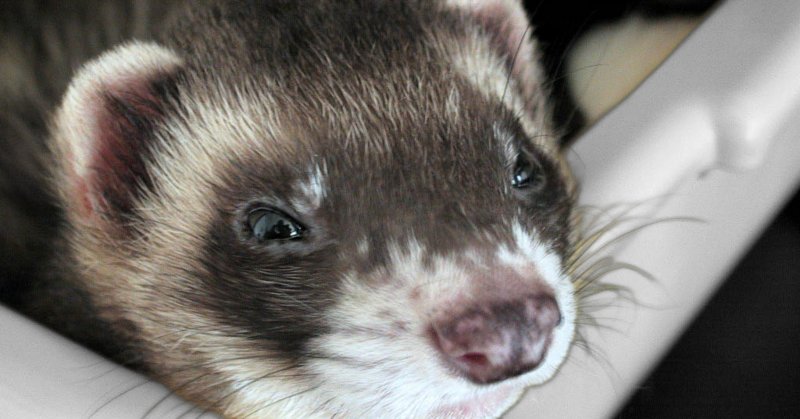
21. There are no wild ferrets; they are the domesticated descendants of the European polecat. Notably, America’s “black-footed ferret” is actually a species of polecat.
22. Llamas that receive excessive human attention can develop a psychological condition called Beerserk Llama Syndrome. This disorder leads them to treat their handlers as if they were other llamas, often causing increased aggression and violence toward humans.
23. Marius Els, a South African man, adopted a baby hippopotamus and attempted to domesticate it; tragically, the same hippo killed him in the river where he had rescued it.
24. Ancient Egyptians domesticated hyenas and used them as a source of food.
25. Around 300 B.C., the Mayans regarded turkeys as vessels of the gods and honored them accordingly. The Mayans originally domesticated turkeys for use in religious rites.




Add Comment