

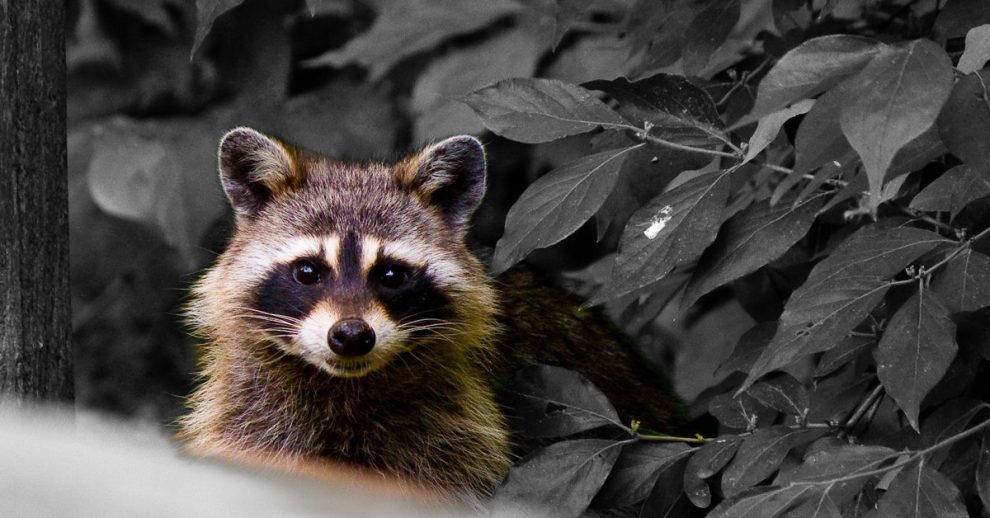
Invasive species can reshape ecosystems, spread across continents, and create problems that last for generations. These facts explore some of the world’s most notorious invaders and the surprising ways they arrived, spread, and affected the environments around them.
Cats: Relentless Small Fauna Killers
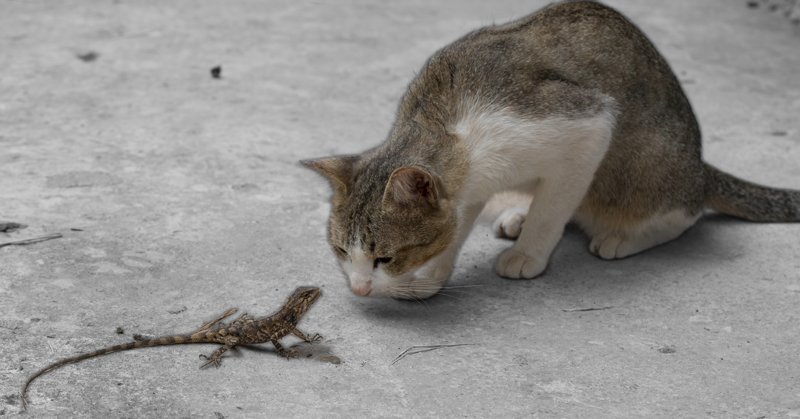
1. Cats are regarded as both an invasive species and super-predators because they can rapidly wipe out entire species of small fauna, and only humans surpass them.
2. Razorback pigs are an invasive species in the United States and are descended from domesticated pigs that escaped during one of the first Spanish explorations of North America in the 1500s.
3. Macaque monkeys are currently an invasive species in a state park in Florida and they carry Herpes virus B, which causes a form of herpes that leads to death in 40% of cases, and another 40% suffer brain damage.
4. Bradford Pear trees are considered a highly invasive species. They were once thought to be sterile as a hybrid. They are incredibly weak and are often damaged in storms, so their life span is usually 15-20 years. They are also known as the “sem*n tree” due to its distinctive smell, which has been described as a cross between rotting fish and sem*n.
5. Hydrilla was introduced to America in the 1950s when someone discarded a used aquarium containing the plant into waters near Tampa Bay, Florida. It is now one of the most invasive marine plant species in the Western Hemisphere and notoriously difficult to manage, much less eradicate.
6. There are no squirrels in the Hawaiian Islands, but mongooses are present; they were introduced in the 1800s to control the rat population and are now regarded as an invasive species.
7. Australia employs sodium fluoroacetate, also called 1080, to kill mammalian invasive species such as cats and red foxes. It is found naturally in the plants of the region, and native fauna has adapted to be immune to it.
8. Multiflora Rose, from Asia, was once promoted as a “living fence” for soil conversation and animal husbandry. The plant is now considered an invasive species because it spreads rapidly and smothers out native species.
9. Python hunting is permitted in Florida’s Everglades as a control measure for this non-native snake. Pythons were previously kept as pets and released by their owners. These giant snakes have decimated local bird populations and other wildlife because they have no known natural predators.
10. The World Conservation Union lists Japanese Knotweed as one of the world’s worst invasive species. It can damage buildings, roads, and architectural sites, and it is considered an epidemic in the UK, where it has spread nationwide. It is illegal to have it on your property in Australia.
Stink Bug Origins and Smell
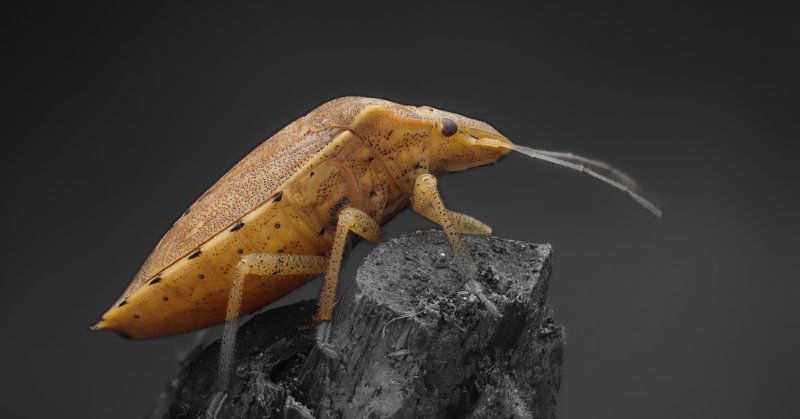
11. The brown marmorated stink bug is an invasive species in the USA. It was brought from Asian countries in the late 1990s. Its odor is often likened to the smell of coriander (cilantro).
12. The Alaskan king crab is considered an invasive species in the Barents Sea (the Arctic Ocean between Norway and Russia). It is moving southward along the coast of Norway at around 50 km a year.
13. Armadillos are an invasive species originating from Central and South America. They did not become popular as Texas souvenirs until the 1890s. They are also frequent carriers of leprosy.
14. In the 1860s, Étienne Léopold Trouvelot attempted to cross-breed gypsy moths and silkworms in his backyard. The gypsy moths escaped containment and became a veracious invasive species that cannot be controlled.
15. The lionfish is a prolific invasive species in the Atlantic Ocean, and sharks typically do not recognize them as prey. It is decimating native ecosystems and is thought to be responsible for a drop in the biomass of native reef fish species by an average of 65 percent. To control its population, conservationists have attempted to train reef sharks to prey on them and even chefs and diners are campaigning to eat them.
16. Crazy ants are an invasive ant species in the United States that have disrupted food chains by eating a wide range of organisms, are immune to fire ant venom, and are among the most difficult pests for exterminators to control. Colonies can become so numerous that they blanket the ground, and they also target and short out electronics such as air conditioners.
17. The Asian hornet accidentally arrived in France inside pottery shipped from China in 2004. Since then it has become an invasive species, has spread throughout France, and is currently sweeping across the rest of Europe.
18. Wild boar are one of the most problematic invasive species in the United States, with an estimated 5 to 6 million animals living across 35 states. They are continuing to spread, which is why many places in the USA have a year-round open season for hunting feral hogs.
19. Giant hogweed is a tall invasive plant whose sap is highly phototoxic. If you touch the sap and are then exposed to sunlight’s UV rays, it will produce severe caustic burns. These chemicals are also known to bind with your DNA and kill it.
20. Georgia’s state flower, the Cherokee Rose, is an invasive species that originated in China.
Hippo Release Bill Nearly Passed
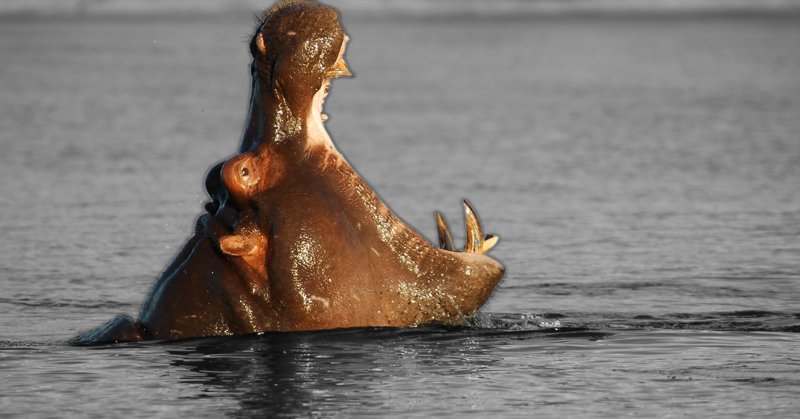
21. In 1910 a bill was proposed to release hippos into the Louisiana bayous both to clear out invasive water hyacinth and to solve a critical shortage of meat. It was backed by Former President Roosevelt and The New York Times, which praised hippo meat as tasting like “lake cow bacon.” The bill failed to pass by just 1 vote.
22. Biologist Warwick E. Kerr crossbred European and African honeybees to produce a hybrid intended to yield more honey in tropical conditions. He accidentally created the killer bee, a deadly variant that has since become one of the most successful biologically invasive species of all time.
23. A 2010 study suggests that invasive species may be inhibiting the formation of new species on Earth, which could consequently lead to significant losses in biodiversity and trigger mass extinction events.
24. Ring Necked Parakeets are an invasive species in the Greater London Area, and there are apparently over 30,000 of them.
25. In 2013 the USA bombed the island of Guam with 2,000 dead mice stuffed with painkillers to kill the Brown Tree Snake, which is an invasive species on the island. The snake arrived there accidentally in the 1950s on a shipping vessel.




Add Comment