

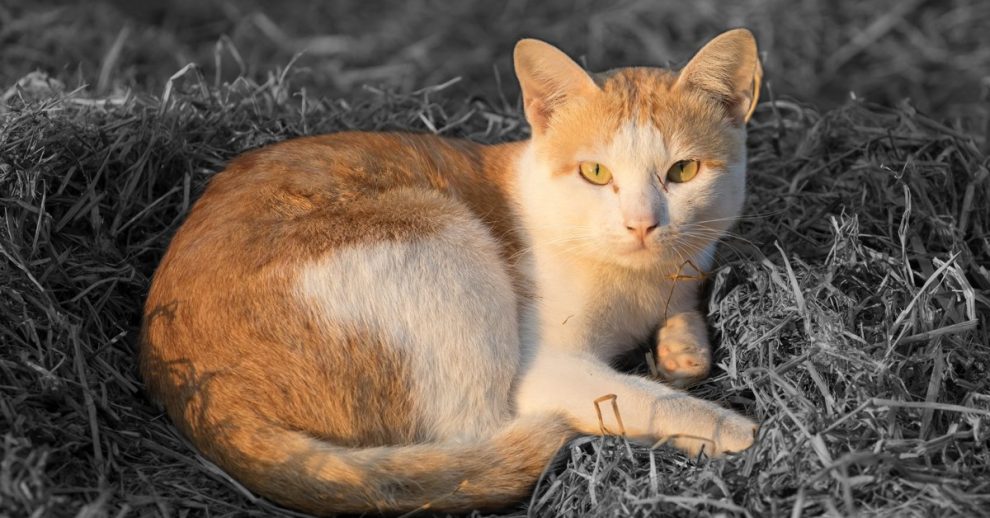
Cats are full of quirks, and the more researchers learn about them, the stranger and more fascinating they seem. From unusual breeds and surprising behaviors to little-known facts about their history and biology, these feline facts show there’s always something new to discover about our favorite four-legged companions.
Rarity Of Male Tortoiseshells
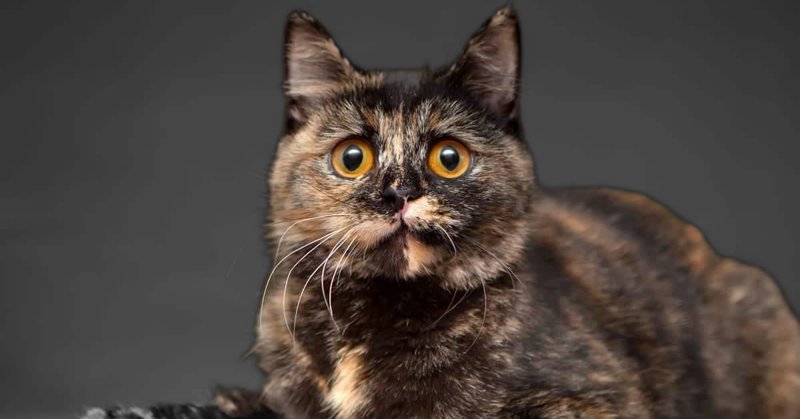
1. Tortoiseshell cats are almost always female. Male tortoiseshells are extremely rare and are usually sterile.
2. Contrary to popular belief, cats appreciate being petted while they are eating.
3. The Himalayan cat is an engineered cross-breed of Siamese and Persian. The Himalayan Mountains are located roughly halfway between Persia and Siam.
4. Cats have whiskers all over their bodies, and they use them to gather information about their surroundings.
5. The small slits on the outer part of a cat’s ear are called Henry’s Pocket, and no one is entirely sure why they exist.
6. In 2005 a Wisconsin cat named Emily climbed into a paper shipping container and ended up traveling to France for three weeks with no reliable food or water. When she was found, she was flown back home in business class for free.
7. Proposed explanations for why cats enjoy being inside boxes are: 1) they are poor at resolving conflicts, so they hide, 2) as ambush predators they are attracted to concealed spots, and 3) their preferred temperature is 30-36°C and corrugated card is a great insulator.
8. Little Nicky, a Maine Coon, was the first pet to be commercially cloned. In 2004 his owner paid $50,000 to have her deceased cat ‘Nicky’ cloned.
9. Maru and all Scottish Folds trace their descent to a single cat named Susie, who was found on a farm in Scotland in 1961 and was killed by a car three months after producing the first Scottish Fold kittens.
10. Manx cats are bred for tail length: a cat with a short tail is called a ‘stumpy’, while a cat with no tail is called a ‘rumpy’.
Tiny Singapore Feline Wonder

11. The Singapura is the smallest domestic cat breed, with an adult male weighing under 3 kg.
12. Domestic cats may consume their kittens for various reasons, such as stress, limited food supply, inexperience as parents, or without any apparent cause.
13. Cats domesticated themselves: genetic studies show Persians and Siamese cats wandered into Near Eastern settlements at the dawn of agriculture, drawn by food rather than friendship.
14. Peterbald cats are largely hairless and need sunscreen when they go outside; they also require regular baths.
15. Van cats from Eastern Turkey, a naturally-occurring breed, are all white, have mismatched eyes, and love to swim.
16. Never place a kitten on its back when bottle feeding; doing so can lead to drowning.
17. An average cat has 1 to 8 kittens per litter and 2 to 3 litters per year. During her reproductive life, one female cat could produce more than 100 kittens. A single pair of cats and their kittens can produce as many as 420,000 kittens in just 7 years.
18. When a cat eats catnip it produces a sedative effect, whereas smelling catnip provokes frenzied behavior in the cat.
19. Cats have only three blood types: A, B, and AB. Between 94% and 99% of US domestic cats are type A. Type AB is the rarest. There is no universal donor blood type.
20. The Toyger is a cat breed developed to resemble a miniature tiger.
Curly Cats Montana Origin Story
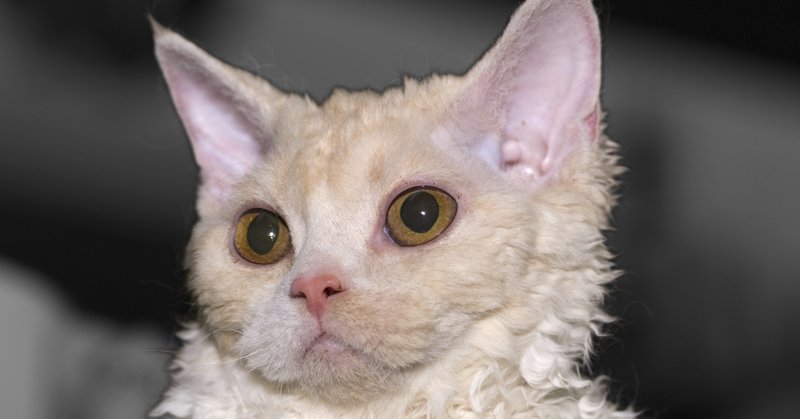
21. All Selkirk Rex cats descend from a single shelter cat in Montana.
22. The cat breed called Munchkins has very short legs and is considered extremely adorable.
23. Bossy, a Scottish Fold cat, is the director of communications at the Romanian company Catbox and is paid $225 a month plus bonuses, which is more than some Romanians working in rural areas earn.
24. Fading Kitten Syndrome encompasses a set of problems including pale gums, a low respiratory rate, and low body temperature that can affect kittens and cause death if not properly treated.
25. Ankara cats of Turkey, also called Turkish Angora, have white fur and eyes that do not match in color.








Add Comment