

Tennessee County Breaks Away
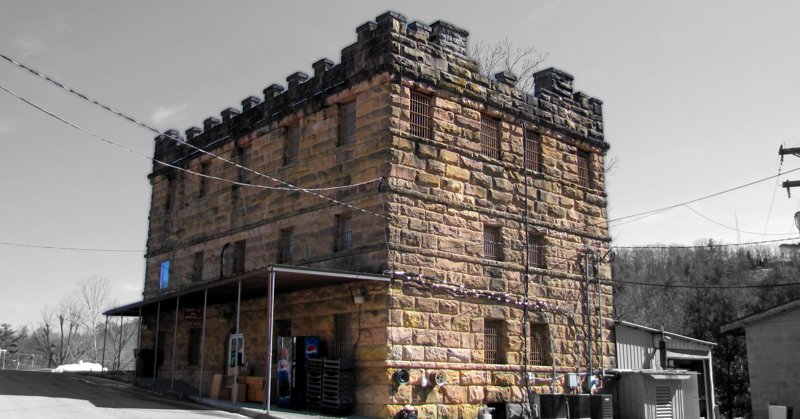
51. A county in Tennessee chose not to align with the Confederacy during the Civil War. Instead, Scott County broke away and created the Free State of Scott. It did not formally return to Tennessee until 1986.
52. Photographer Mathew Brady took more than 7,000 photographs of the US Civil War, including the portrait of Lincoln later used on the $5 bill, and they have become the most significant visual record of the era. He died owing money after the US government refused to purchase his master copies after the war.
53. General J. Sedgwick’s final words in the American Civil War were “they couldn’t hit an elephant at this distance,” before he was shot under the left eye, which killed him.
54. The H.L. Hunley was a fully working Confederate naval submarine in the Civil War. Driven by hand cranks and equipped with buoyant torpedos, it became the first submersible vessel in history to sink an enemy ship successfully.
55. The first battle of the Civil War was fought on the farm of a man named Wilmer McLean. He moved to escape the fighting, but four years later Lee surrendered to Grant in Wilmer’s new house. He said, “The war began in my front yard and ended in my front parlor.”
56. In 1861, Robert Smalls, who was enslaved, seized a Confederate ship and handed it over to the Union. He was later assigned command of the vessel during the Civil War. After the war, he purchased the house where he had been enslaved and went on to serve as a U.S. congressman.
57. During the Civil War, Major General Henry A. Barnum was shot through the side. Believed to be dead, he was taken prisoner and survived. He kept the bullet tract open as a trophy by running a ramrod through the wound every day. Later, he was shot in two additional battles and survived both.
58. In 1866, the State of Mississippi spent over half of its annual budget on prosthetics for Civil War veterans.
59. The “rebel yell” that frightened the Union Army during the U.S. Civil War has been recreated successfully.
60. A Saguaro Cactus takes 75 years to produce its first “arm,” and a Saguaro that dies this year has, on average, existed since before the Civil War.
Capitol Fight Ends in Laughter
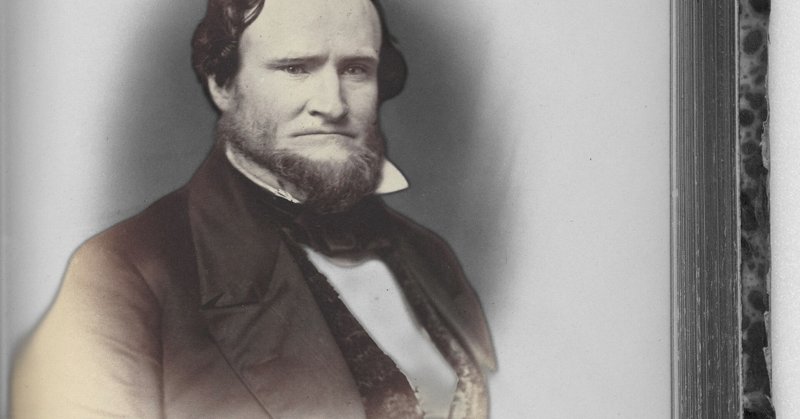
61. A huge fight in the U.S. House of Representatives shortly before the Civil War ended only after a stray punch knocked Rep. William Barksdale’s wig off. Embarrassed congressman Galusha Aaron Grow put it back on backward by mistake, which made both sides burst into spontaneous laughter.
62. The last surviving veteran of the American Revolutionary War was Lemuel Cook, who died in 1866 at the age of 106. He lived long enough to witness the end of the Civil War.
63. Many Civil War battles ended up with two names because the Union named them after natural landmarks, while the Confederacy named them after nearby towns or other man-made structures.
64. During the Civil War, generals were 50% more likely to die in combat than privates.
65. Many Cherokee Indians fought on the Confederate side during the American Civil War, both because many of them were black slave owners themselves and because they resented the Union for how they were treated during the Trail of Tears.
66. The song “Cotton Eyed Joe” existed before both Tchaikovsky and the US Civil War.
67. The person who wrote “O Canada” was injured while serving the Union in the American Civil War.
68. After the Civil War, some Confederate supporters left the United States and founded colonies in Mexico and South America. Thousands of Southerners settled in Brazil, where they created small villages with names such as “Americana” and “New Texas.”
69. During the American Civil War, Abraham Lincoln enacted a law that let wealthy men pay $300 to avoid being drafted. This caused the New York City draft riots. Aside from the Civil War itself, it was the biggest civil uprising in American history.
70. A 9-year-old boy named John Clemm ran away from home to fight in the Civil War. Because he was too young to serve as a soldier, the army took him in as their drummer boy. When he was 11, he became the youngest noncommissioned officer in Army history, and many years later he retired as the last Civil War veteran still on active duty.
Secret Agent in Davis Home
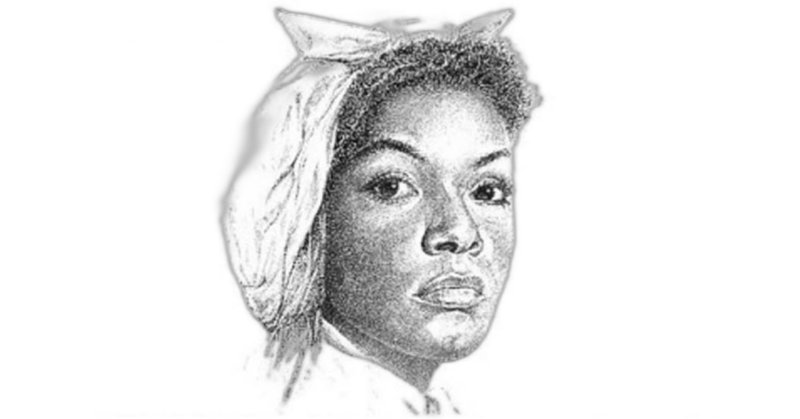
71. Mary Bowser, a formerly enslaved woman who had a Quaker education and a photographic memory, pretended to be slow-witted so she could spy for the Union inside Confederate president Jefferson Davis’ household for much of the Civil War.
72. Following the Civil War, many affluent Confederate families moved to Brazil, and today descendants of these “Confederados” still preserve many Southern cultures and traditions.
73. The Kingdom of Hawaii announced neutrality during the American Civil War. Even so, many native Hawaiians still enlisted.
74. On October 19, 1864, Confederate troops crossed from Canada into Vermont and looted and robbed as they moved through the state during the American Civil War. They took $208,000, which was about $3 million in 2014 money.
75. Contrary to popular belief, most Civil War amputations were done with anesthetic.


Add Comment