

Rome Through the Ages
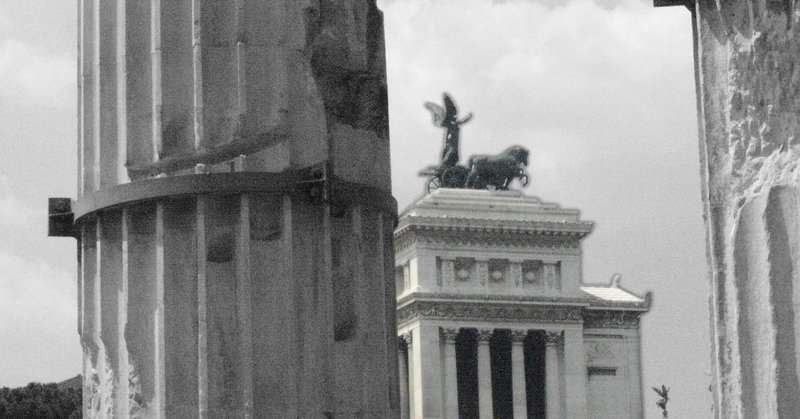
26. Roman civilization lasted for 2,200 years in total. It began as a monarchy in 753 B.C., became a republic in 509 B.C., changed into an empire in 27 B.C., moved its capital to Constantinople in 330 A.D., and ultimately ended in 1453 A.D.
27. Claudius was among the first 15 Roman emperors who did not have a male lover. Other people found him unusual because he was attracted only to women.
28. The whoopee cushion was created by Elagabalus, a 14-year-old Roman Emperor, who often used it on guests. He was murdered by the time he reached 18.
29. The equestrian statue of Marcus Aurelius was not melted down during the Middle Ages, unlike most bronze statues of Roman emperors, because Europeans then believed it depicted Constantine, the first Christian emperor of Rome.
30. Marcus Licinius Crassus, a Roman general and one of the richest people in history, would buy burning buildings at very low prices, then extinguish the fires with his trained army of 500 slaves and rebuild the buildings. If the owners would not sell their property, he would not help fight the fire.
31. Julius Caesar and Cleopatra had a son together named Caesarion, and the name means “Little Caesar”.
32. A legend says flexible glass was created around 20 A.D. after a craftsman gave Tiberius Caesar a bowl made from it, and when the Caesar threw it to the ground it did not break. Worried about what such a material could mean, he had the man beheaded, and the formula has now been lost forever.
33. By moderate estimates, the Romans may have lost more than 40,000 men in one day at the Battle of Cannae in 216 B.C., which could have been about 5 to 10 percent of the total Roman male population in the late 3rd century B.C.
34. When Julius Caesar came across giraffes, he called them “Camelopards” because they made him think of both camels and leopards.
35. Julius Caesar was captured by pirates, who asked 20 talents of silver for his release, but Caesar told them to demand 50. After the ransom was paid and he was freed, Caesar gathered a fleet, hunted down the pirates, captured them, and had them crucified.
Concrete Knowledge Vanishes
36. After the Roman Empire fell, the ability to make concrete was lost for 1000 years.
37. Roman Emperor Augustus saw a man try to punish a slave by feeding him to lamprey eels for breaking a cup. Augustus set the slave free and ordered the rest of the man’s cups to be broken.
38. In Roman times, salt was valued at its weight in gold, and soldiers were sometimes compensated with salt, which is where the word “salary” comes from.
39. The Roman senator Cato the Elder treated the danger from Carthage so seriously that he ended every speech, regardless of topic, with the words, “And, further, I think that Carthage should be destroyed.”
40. Roman Emperor Commodus was known for fighting exotic animals in the arena, often horrifying the Roman people. He is said to have killed 100 lions in one day. For every arena appearance, he demanded a million sesterces, which put strain on the Roman economy.
41. In 458 B.C., Roman farmer Lucius Quinctius Cincinnatus was appointed Rome’s absolute dictator during a crisis. After winning, he gave up the office and handed authority back to the Senate. His surrender of absolute power is often praised as an example of exceptional leadership, public service, and civic virtue.
42. Julius Caesar’s body was the first known case to undergo a recorded autopsy. Among the 23 stab wounds documented, only one may have been fatal by itself. The physician concluded that his death was due mostly to blood loss.
43. In 2016, two recreational divers in Israel found a Roman shipwreck containing bronze statues and coins bearing Constantine the Great. Dated at about 1,600 years old, archaeologists described the discovery as “The Biggest Find in 30 Years”.
44. Claudius, a Roman born into a noble family, had serious disabilities and survived the killing of his relatives because no one considered him a danger. He became emperor after Caligula’s death, started the conquest of Britain, and is widely viewed as one of Ancient Rome’s great rulers.
45. Romans identified years by the names of the two consuls serving in them, such as the consulship of Vinicius and Haterius. When Julius Caesar effectively ruled alone during his “co-consulship” with Bibulus, Romans joked by calling that year the consulship of Julius and Caesar.
Missing Emperor’s Final Resting
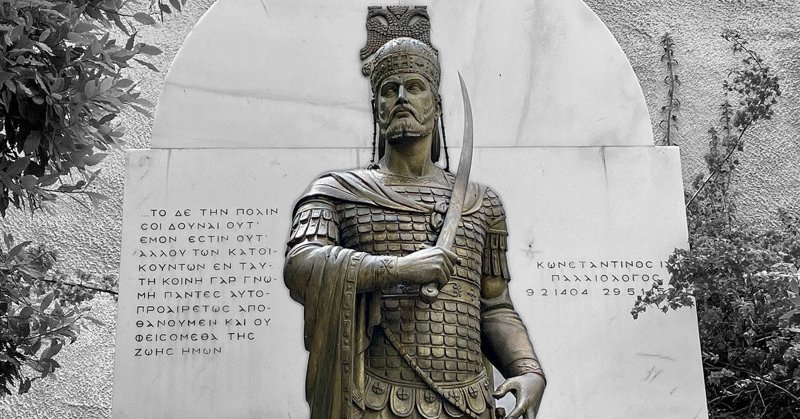
46. No one knows where the body of the last Roman Emperor, Constantine XI Palaiologos, was buried. When Constantinople fell to the Turks, he removed his imperial regalia before making a final stand, which made him hard to identify. He was most likely laid in a mass grave with his soldiers.
47. A Roman politician named Lucius Quinctius Cincinnatus was twice given almost unlimited power over the Roman Republic, and he surrendered it both times.
48. A Roman merchant who had been selling imitation jewels was condemned to be confronted by a lion in the arena. When the gate at last opened, a chicken came out. Emperor Gallienus declared, “He practiced deceit and then had it practiced on him.”
49. The ancient Romans erected statues of Hannibal Barca, the Carthaginian general who crossed the Alps and nearly captured the city, in Rome itself to show off their defeat of such a formidable enemy.
50. Caligula was not the actual name of the third Emperor of the Roman Empire. As a boy, Germanicus’ troops called Gaius Caesar “Caligula,” which meant “Little Boots” or “Booties.” The nickname remained, and he disliked it.






Add Comment