

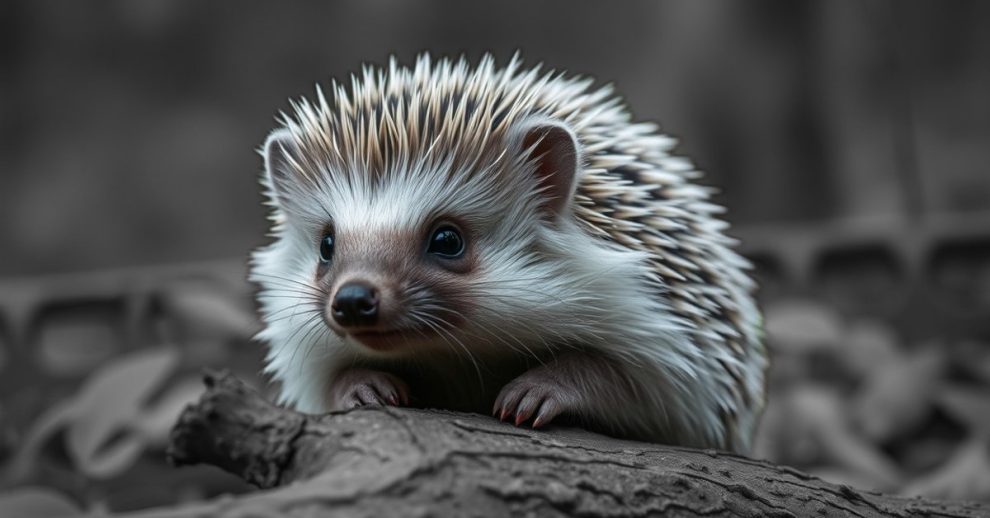
Some animals are so charming, unusual, or downright lovable that it’s impossible not to smile while learning about them. From tiny flower-sleeping mice and color-changing seahorses to loyal sea otters and miniature deer, these heartwarming animal facts highlight some of nature’s most endearing creatures.
Dove with Blood-Like Streaks
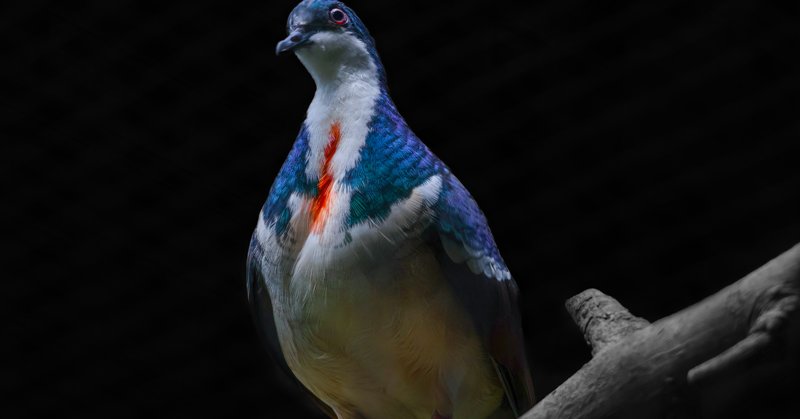
1. The Luzon bleeding-heart is a ground dove species with a reddish tint running down its belly, creating the appearance that blood has flowed down the bird’s breast. It is shy, secretive, very quiet, and seldom leaves the ground except when nesting.
2. The Pudús are two subspecies of South American deer in the genus Pudu and are the world’s smallest deer. Pudús range in size from 32 to 44 centimeters (13 to 17 inches) tall, and can reach up to 85 centimeters (33 inches) long.
3. Like many fruit-eating pigeons, the Pink-necked green pigeon is believed to be an important disperser of fruit seeds in forests and woodlands and is thought to be one of the species responsible for helping the return of many Ficus species to the islands of Krakatoa.
4. Some stoats, also known as weasels, turn completely white in winter except for the tip of their tail, which remains black. Their name is thought to have been derived from the Dutch word for “naughty.”
5. The laughing falcon is a bird with a loud cry that sounds like laughter—happy, sad, or crazy in tone, and it specializes in eating snakes.
6. Golden plover chicks hatch already camouflaged. These downy birds blend perfectly with their mossy Arctic nesting ground.
7. The male bowerbird arranges stones, bones, and shells inside and around his nest by size from smallest to largest, creating a forced perspective optical illusion that makes the nest appear larger to prospective mates.
8. Ducklings are capable of abstract thinking. Within hours after hatching, they can learn concepts such as ‘same’ and ‘different’, and they do so faster than human infants.
9. Microtityus minimus is the world’s smallest known scorpion species. It measures 0.4 inches from end to end.
10. Pygmy seahorses, only about the size of a human fingernail, change color after birth to match whatever sea fan they land on, regardless of their parents’ color.
Unique Venomous Primate Fact
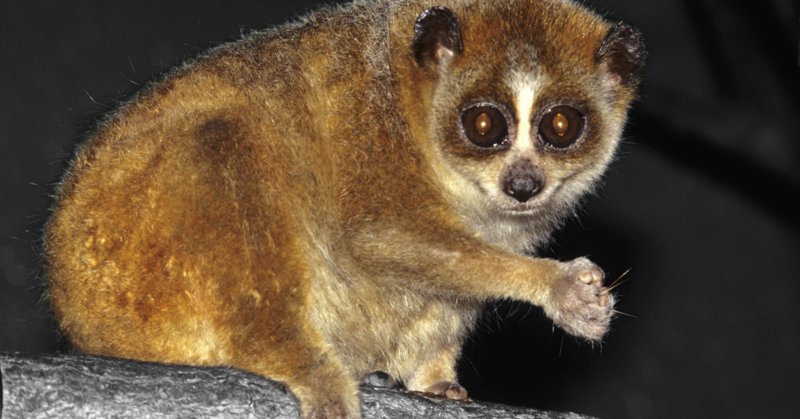
11. Slow lorises are the only known primates that are venomous. Their venom originates from brachial glands on their forearms and from their saliva. When threatened, the slow loris will lick the brachial patch before biting the aggressor.
12. Sand cats are extremely difficult to study in the wild. Their furry soles keep them from sinking into soft sand, which makes their footprints nearly invisible. They have learned to crouch low and close their eyes when a light is shone on them, preventing any reflection off their eyes.
13. Alpacas have been bred for centuries for their luxurious fiber because it is both water resistant and fire resistant. Nowadays some free range turkey farms use alpacas to guard their flocks from foxes, since alpacas are extremely territorial and will accept the turkeys as part of their herd, defending them by chasing off predators.
14. The black heron employs a hunting method called canopy feeding. It uses its wings like an umbrella, creating shade that attracts fish.
15. Secretary birds are famous for their snake-stomping legs. A single kick can deliver 195 Newtons of force. They often use kicks to incapacitate and kill their prey. Their kick is powerful enough to shatter a human hand. They are also famous for their long eyelashes.
16. Pinniped milk can contain as much as 60% fat, which enables the offspring to grow rapidly. While nursing, pups may gain more than 2.2 kg (4.9 lb) per day.
17. The horned screamer is a bird so named for the distinctive unicorn-like horn on its head and for its unusually loud scream.
18. Trained African giant pouched rats have found thousands of unexploded landmines and bombs. Researchers have also trained these rats to detect tuberculosis, and are now training them to sniff out poached wildlife trophies being exported out of African ports.
19. The hoatzin is the sole surviving species of a bird lineage that split from all other birds 64 million years ago, shortly after the dinosaur extinction. Hoatzin chicks possess claws on their wings.
20. Harvest Mice often crawl into flowers to eat the pollen and will sometimes even fall asleep in them.
Africa’s Largest Bat Facts
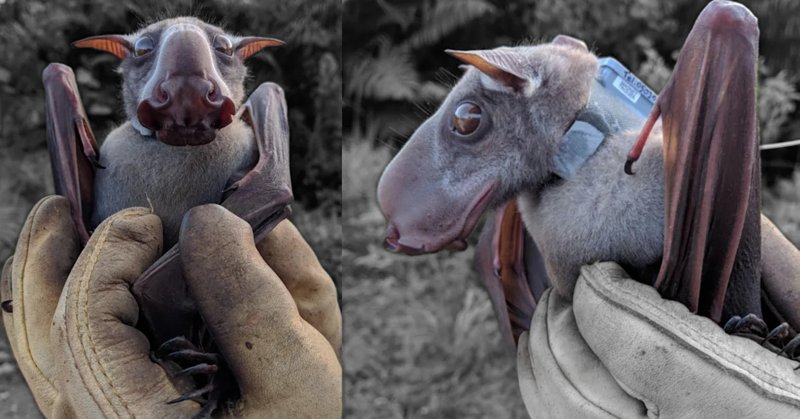
21. The hammer-headed bat, Africa’s largest bat, has been seen attacking live chickens. It can live for more than 30 years and is also a carrier of the Ebola virus.
22. Bushbabies urinate on their hands to increase traction on branches and to help them find their way back to their nests.
23. Matschie’s tree-kangaroos live high in the trees of Papua New Guinea. Their long, sharp claws allow them to scale tree trunks like a cat. They have been observed jumping to the ground from up to 30 feet in a tree without getting hurt.
24. The red-lipped batfish is a poor swimmer, so it uses highly adapted pectoral fins that are large enough to help it walk along the ocean floor.
25. Sea otters are among the few natural predators of sea urchins, which makes them a keystone species for maintaining the balance of kelp ecosystems. By helping to maintain kelp ecosystems, they indirectly help reduce atmospheric carbon dioxide levels.



Add Comment