

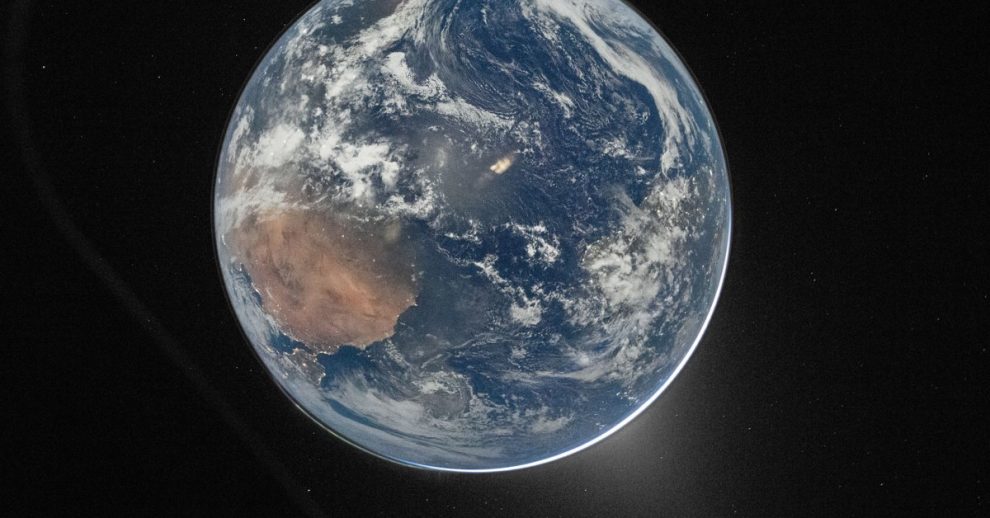
Earth’s distant past was far stranger than most people realize, filled with vanished continents, giant creatures, dramatic climate shifts, and surprising chapters in human evolution. These incredible facts offer a fascinating glimpse into the deep history that shaped the world we live in today.
Rapid Recent Genetic Shift
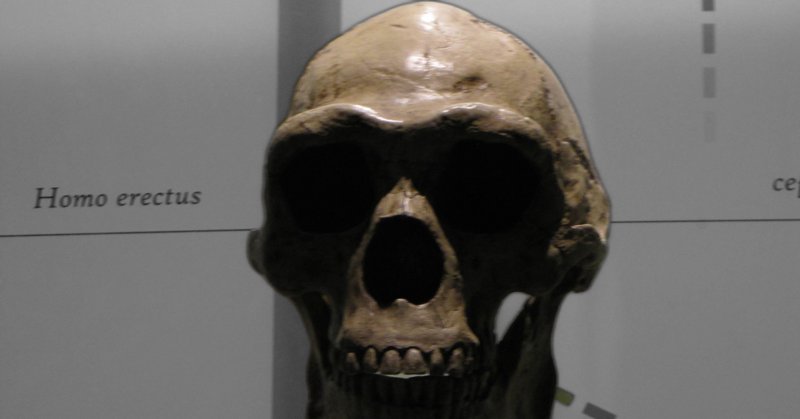
1. Over the past 5,000 years, human genetic change has happened at a pace about 100 times greater than in any other stage of human evolution. People alive today are genetically more different from humans who lived 5,000 years ago than those humans were from people living 40,000 years ago.
2. 49 million years ago, a massive bloom of floating Azolla plants in the Arctic Ocean shifted Earth’s climate from extremely hot to extremely cold.
3. Genetic evidence shows that all humans share a male forefather known as Y-Chromosomal Adam. He lived about 208,300 years ago.
4. Homo erectus, an ancient human ancestor, was eating cooked food as far back as 1.9 million years ago.
5. About 70,000 years ago, Indonesia’s Volcano Toba erupted and spread enough ash around the world to dim the sun for 6 years. Early humans were pushed close to extinction, and some studies suggest there may have been as few as 40 breeding pairs.
6. Over 4 billion years ago, Earth was struck by several bodies more than 600 miles wide that could have boiled away the oceans and sterilized the surface, yet bacterial life endured deep below ground and repopulated the planet after each impact.
7. The Cambrian Explosion may be explained by higher sea levels 540 million years ago, which caused about three times more calcium to dissolve into the oceans. In response, life had to develop shells, bones, and other hard tissues, producing the variety of life seen today.
8. Before the extinction that wiped out the dinosaurs, there were four mass extinction events. The worst of them eliminated an enormous 97% of all species. Every living thing on Earth now is descended from the 3% that made it through.
9. Earth is presently in an ice age, and has been for more than 30 million years, known as the Late Cenozoic Ice Age.
10. Earth also has a continent named Zealandia. After separating from Australia about 65 to 80 million years ago, the whole continent sank.
Giants Of Carboniferous Earth
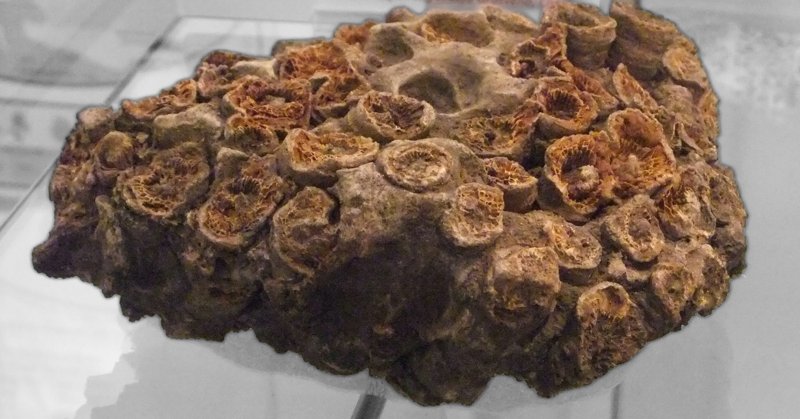
11. Three hundred fifty-eight million years ago, Earth was in the Carboniferous period. In that era, oxygen levels were 15% higher than they are today because of the abundance of plant life, which made scorpions as large as dogs, caterpillars as large as anacondas, and dragonflies as large as eagles.
12. Human blond hair appeared only 11,000 years ago as an evolutionary adaptation to low sunlight in Northern Europe, helping increase vitamin D synthesis.
13. Just 12,000 years ago, a species closely related to modern humans, Homo floresiensis, lived on an Indonesian island. They used fire and fairly advanced tools, yet they stood only about 3 feet tall and weighed around 25 kg.
14. About 300 million years ago, dead trees did not decay when they died. It took bacteria 60 million years to evolve the ability to break down wood. Those heaps of undecomposed heavy wood would eventually compress the trees into peat and then, over time, into coal.
15. During the Cretaceous period, 145 to 100 million years ago, Earth’s climate was so warm that there were no polar ice caps, and forests likely stretched all the way to the South Pole. Native plants and dinosaurs evolved to survive summer sunlight that never ended and winter darkness.
16. Roughly 20 million years ago in North America, the expansion of ancient cats caused many dog species to die out. North America once had around 30 canine species. Today, only 8 survive.
17. A Neanderthal now called Shanidar 1 was buried about 45,000 to 35,000 years ago. Even though he had multiple injuries and disabilities from early in life that would have made living alone impossible, he reached an age of about 40 to 50 with assistance from others.
18. Around 1.7 billion years ago, a natural nuclear reactor operated for several hundred thousand years. French physicist Francis Perrin discovered evidence of this phenomenon in 1972 at Oklo in Gabon, in Central Africa.
19. In the late Jurassic and Cretaceous periods, most ocean reefs were not formed by corals, but by a group of bivalve, clam-like mollusks known as Rudists.
20. Pangaea was not the earliest supercontinent. The billion-year-old landmass called Rodinia holds that distinction. Continents repeatedly break apart and rejoin in a pattern called the supercontinent cycle.
Mushroom Giants Covered Earth
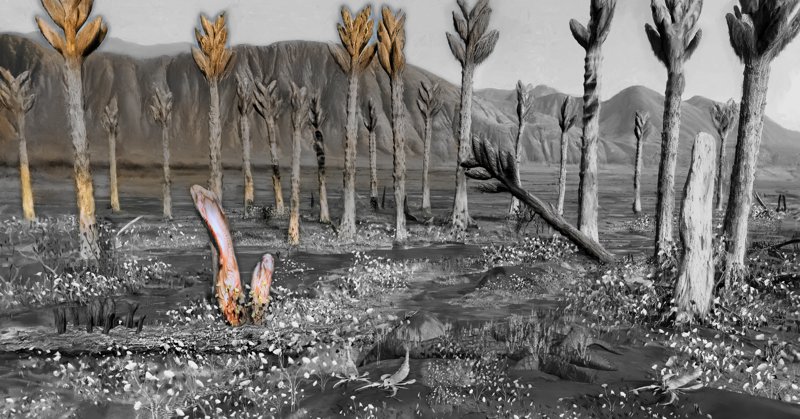
21. Four hundred million years ago, before trees became dominant, the planet was covered by prototaxites, mushrooms that reached 24 feet tall.
22. Mitochondria are thought to have evolved from specialized bacteria that merged with our cell’s cytoplasm 1.5 billion years ago. This explains why it has its own DNA.
23. The 3.6 million-year-old Laetoli footprints, among the most important discoveries about human evolution and evidence of upright bipedal walking, were found by Paleoanthropologist Andrew Hill when he dove into the ground during a fight over elephant dung with a colleague.
24. Australopithecus, which was anatomically similar to modern humans, lived at the same time as Megalodon, the largest shark species ever to exist.
25. All humanity shares a common grandmother 8000x over. An African woman who lived 200,000 years ago is the shared maternal ancestor of everyone alive today.


Add Comment