

Journalists Faced Frontline Ban
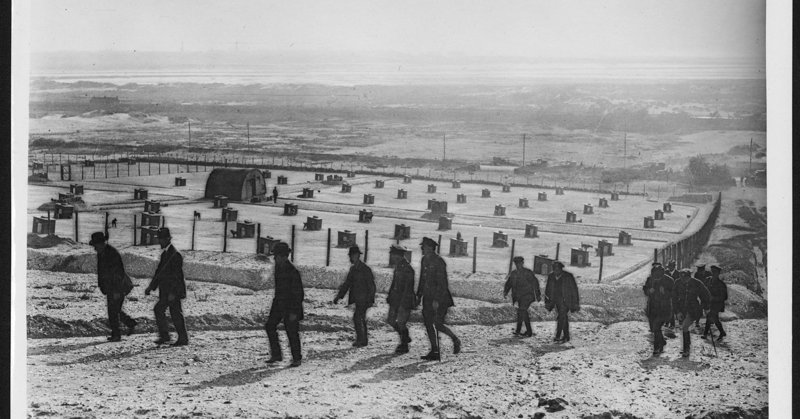
26. During World War I, only a small number of journalists put their lives at risk to cover the realities of war. At the beginning of the conflict, the government tried to control news from the front lines, and journalists were prohibited.
27. The British slang term for sausages, “banger,” came from food shortages during World War I. Because meat was scarce, sausages were made with a high water content, which caused them to burst while cooking, and that is how they got the name.
28. Hugh Lofting did not want to write to his children about the horrors of trench warfare in World War I, so he wrote them imaginative letters instead, and these later became the Dr. Doolittle stories.
29. Some cataract patients have an “extraordinary sensitivity” to ultraviolet light. They were used in World War I to spot flashing UV beacons.
30. An American hero in World War I had the remarkable ability to detect approaching mustard gas, hear incoming artillery before anyone else, and even capture a German spy. He received several medals, including the Purple Heart. He was a dog named Sergeant Stubby.
31. Christopher Robin was an actual boy who became friends with Winnie, a black bear at the London Zoo, named for Winnipeg, Canada, by a Canadian soldier who purchased a real bear cub and brought him to Europe during WW1.
32. The American Army in WWI used champion Skeet Shooters to defend the trenches by shooting enemy grenades out of the air and knocking them aside.
33. In the WWI battle for Belgrade, Serbia, German forces met very strong resistance, so German Field Marshal August von Mackensen raised a monument to the Serbian soldiers who were killed defending Belgrade, saying, “We fought against an army that we have heard about only in fairy tales.”
34. When the United States introduced the trench gun during World War 1, the German Government sent a diplomatic protest, saying that the shotgun was banned by the law of war.
35. New York City gangster Monk Eastman chose to join the Army at age 42 to take part in WWI. During his medical exam, the doctor asked Monk which war gave him all of his knife and bullet scars. Monk answered, “Oh! A lot of little wars around New York.”
Gas Attack Stand Fast
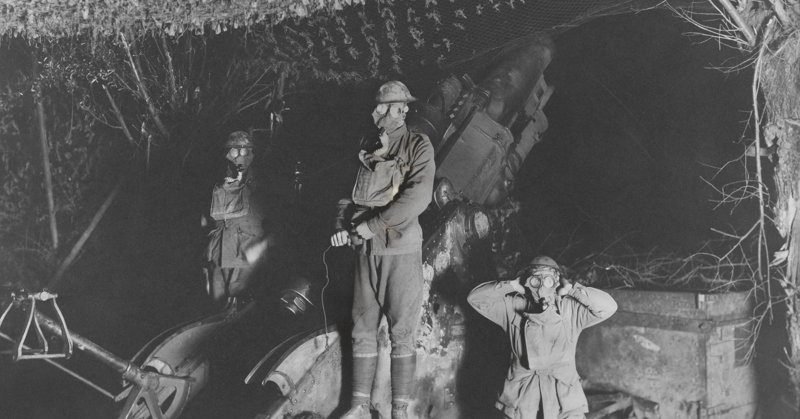
36. Canadian troops held their position against the first poison gas assaults on the Western Front in WW1, stopping a German breakthrough after French colonial troops lost formation and left their trenches after seeing the early casualties.
37. The last surviving Tommy from WW1, Harry Patch, died at age 111 years, 1 month, 1 week, and 1 day. Also, the strange part is that WW1 ended at the 11th hour of the 11th day of the 11th month.
38. During World War 1, the United States Government attempted to change the name of hamburgers to “liberty sandwiches” in order to encourage patriotism.
39. A wounded pigeon called Cher Ami in WWI saved the lives of 198 American soldiers.
40. When the US navy prohibited alcohol on ships in July 1914, they threw one final huge party and invited ships from several nations to help finish the remaining alcohol. Many people at the party would later become enemies a few weeks afterward when WWI began.
41. In World War 1, if a pilot from either side was shot down behind enemy lines, the opposing side would drop a note to tell his comrades whether he had died in the crash or been captured.
42. The drug company Bayer discovered heroin and sold it as a treatment for coughs until World War 1.
43. The commander of the first flamethrower unit used in World War 1 was named Bernhard, and he had been a firefighter before the war.
44. During World War 1, a monkey from South Africa was promoted to Corporal.
45. The Hungarian serial killer Béla Kiss is believed to have killed at least 23 young women and 1 man and to have tried to preserve them in giant metal drums. When World War 1 started, he was drafted and left his home. After his crimes were uncovered, he escaped arrest and was never heard from again.
Royal Cousins at War
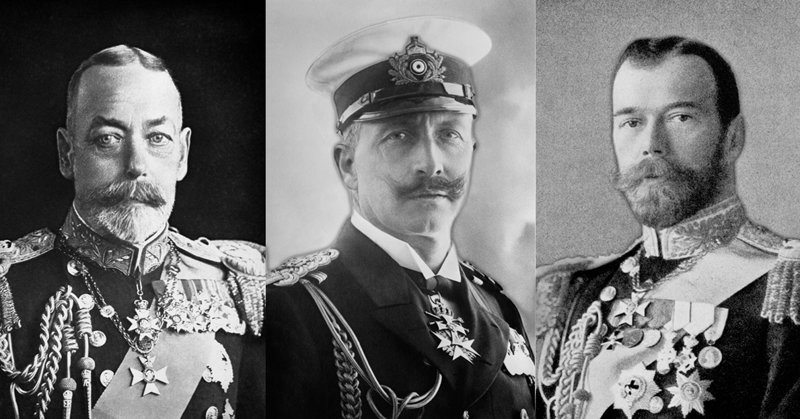
46. When World War I began, Tsar Nicholas II, King George V, and Kaiser Wilhelm II were first cousins and all were grandchildren of Queen Victoria.
47. In the United States during World War I, sauerkraut was renamed “Liberty Cabbage.”
48. Before World War I, Americans did not brush their teeth as a regular habit. “So many recruits had rotting teeth the officials said poor dental hygiene was a national security risk.”
49. During World War I, ten French villages were destroyed and afterward considered uninhabitable. Today, these ten villages are called “villages that died for France.”
50. Paul von Lettow-Vorbeck was the respected commander of German forces in East Africa during World War I, and Hitler offered him a job in 1935. He told Hitler to “go f*ck himself,” though other reports say he did not put it that politely.


Add Comment