

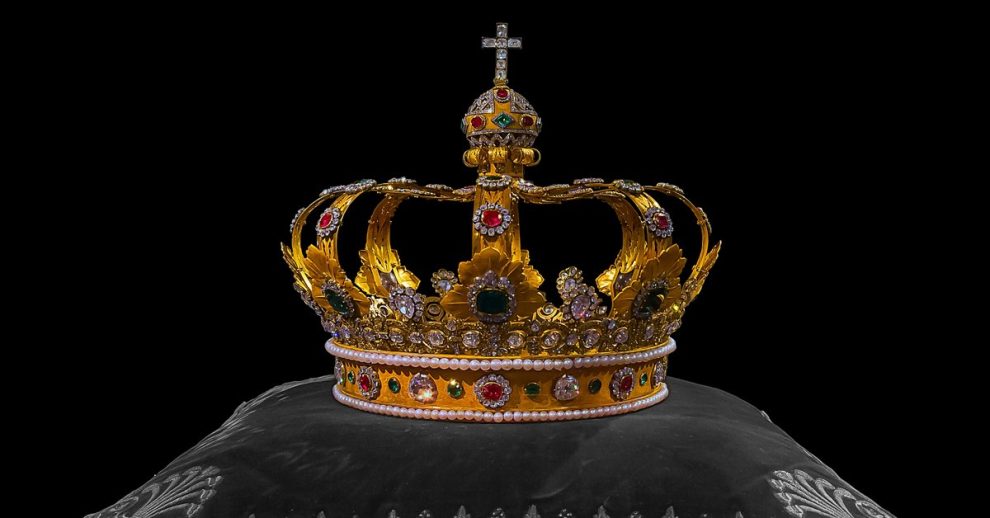
Kings are often remembered for wars, dynasties, and political power, but their personal lives could be far stranger than the history books suggest. These 35 stories reveal more unusual decisions, unexpected deaths, eccentric habits, and remarkable moments from monarchs across the centuries.
Louis XIV the Ballet King
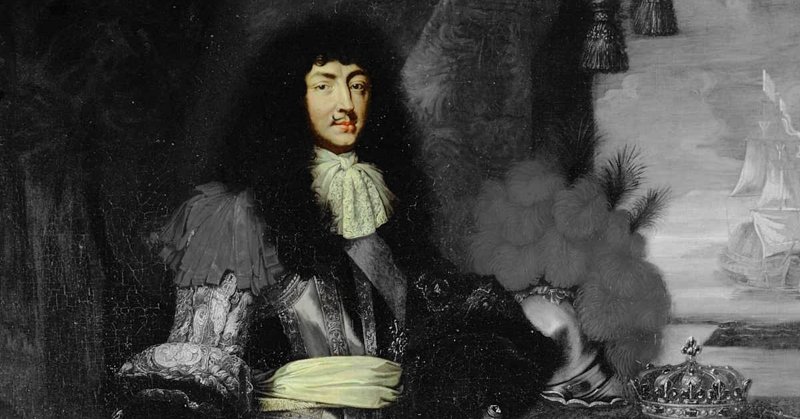
1. King Louis XIV of France was also a ballet dancer. He danced in 80 roles across 40 major ballets, which comes close to the career of a professional dancer.
2. Prussian King Frederick William I kept a regiment of exceptionally tall men called the “Potsdam Giants”. The taller they were, the more they were paid, and they were matched with tall women in order to breed giant soldiers. However, they were never sent into active service, because they were regarded as too valuable.
3. King Louis XV of France was stabbed in an assassination attempt, and, fearing that he was about to die, called his wife into his room and confessed to numerous affairs, asking for forgiveness. His thick winter clothes shielded him, and the wound was only superficial. He survived.
4. When King Conrad III laid siege to Weinsberg, the castle wives struck a bargain that allowed them to leave with whatever they could carry on their shoulders. Leaving everything else behind, each woman took her husband and carried him out. Conrad laughed and said, “A king should always stand by his word.”
5. When William the Conqueror was crowned King of England on Christmas Day 1066, guards outside Westminster Abbey mistook the celebration around the village for an assassination attempt, so they burned the village and accidentally sparked a riot.
6. When King George I of Great Britain came to the British throne in 1714, he could not speak English, while his ministers could not speak German, so they had to speak to one another in French. His grandson George III was the first Hanoverian ruler whose mother tongue was English.
7. King Eric of Pomerania, who ruled the Kalmar Union of Denmark, Sweden, and Norway, levied a tax on every ship that entered or left the Baltic Sea, but war compelled him to spare ships from major trading cities. After his deposition in 1439, he lived as a pirate and attacked merchant ships in the Baltic Sea.
8. In 2017, it was disclosed that Willem-Alexander, the King of the Netherlands, had been working as the First officer on KLM flights for Dutch airline KLM twice a month for 21 years, including after he became king in 2013.
9. During the 18th century, the King of Denmark-Norway instructed clergy to travel through the countryside as “potato priests” in order to encourage peasants to grow potatoes. The effort succeeded, and the potato became “more important than the constitution.”
10. King Leopold of Belgium had between 1-15 million Congolese people murdered while he exploited their area for rubber.
Charles II’s Frail Legacy
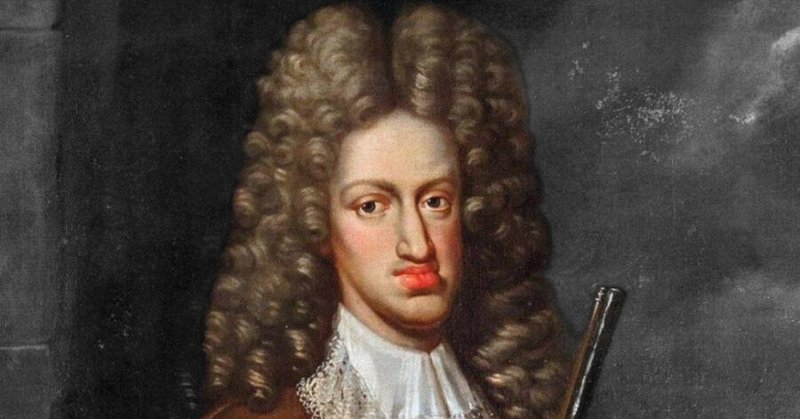
11. Charles II of Spain, the Habsburg ruler, who was the result of an uncle-niece relationship, was described by historians as “short, lame, epileptic, senile and completely bald before 35, always on the verge of death but repeatedly baffling Christendom by continuing to live.”
12. King George III had a reply to the Declaration of Independence sent back called An Answer to the Declaration of the American Congress. It picked apart the Declaration at length, including pointing out that one cannot claim “all men are created equal” when the Colonies still allowed slavery.
13. King Frederick II used reverse psychology on his peasants who refused to eat potatoes because they tasted horrible. To stop the food famine he sent his guards to guard fields of potatoes and the peasants started stealing them and growing their own.
14. When Sassanid (Iranian) King Hormizd II died, his oldest son reigned for a few months and was killed by the empire’s nobles, who then blinded the second son, and imprisoned the third son. The crown was placed upon the pregnant queen’s womb, crowning the unborn son, who later ruled for 70 years.
15. Persian King Agha Mohammad Khan once ordered the execution of two servants for being too loud. Since it was a holy day, he postponed their execution by a day and made the servants return to their duties. They murdered the king in his sleep that night.
16. Henry the Young King was made junior king while his father was still ruling. He had risen in revolt because he wanted the throne. After being defeated once, Henry rebelled again, but then died suddenly of dysentery. When he heard of his son’s death, Henry II said, “He cost me much, but I wish he had lived to cost me more.”
17. King Offa of Mercia once produced copies of dinars from the Abbasid caliphate in the center of England. He meant to boost trade and ties with Islamic Spain, the global superpower of that time.
18. King Alexander of Greece was killed by a monkey when he tried to break up a fight between his dog and the monkey. While he was in the middle of stopping the fight, another monkey bit him, and he later died from his injuries. He was only 27 years old.
19. Richard the Lionheart, the King of England, could barely speak any English and spent only about 6 months in England altogether.
20. King Bela I of Hungary died because of serious injuries he suffered when his throne broke under him.
Henry V’s Shared Grave
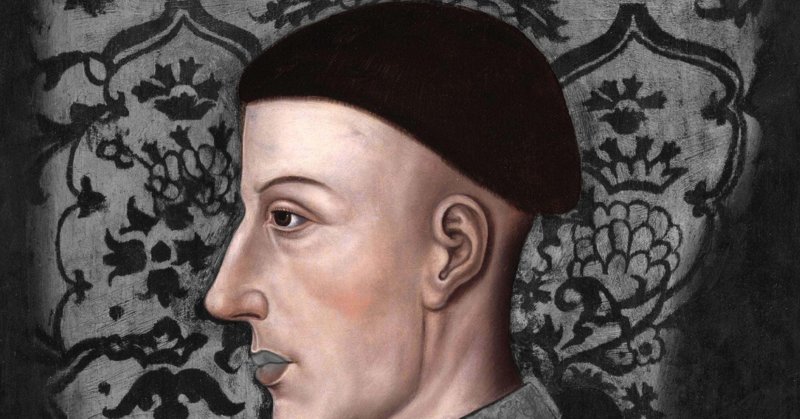
21. In 1953, Henry V’s grave was opened. It was discovered that he was buried with Richard Courtenay, which led to speculation that they were lovers. However, Courtenay’s grave was located in the base of Henry’s chantry and may have been disturbed when the King’s memorial was built.
22. King Christian VII of Denmark would randomly slap diplomats mid-sentence while they discussed affairs of state and leapfrog visiting dignitaries when they bowed to him.
23. King Louis IX of France, who died in 1270, was the only French monarch ever venerated as a saint. He invited beggars to eat with him at his table every day and replaced trial by combat with trials based on evidence.
24. Henry II of England, the king who uttered the famous phrase “Will no one rid me of this turbulent priest?” was beaten up by 80 monks as part of his penance for his role in that priest’s death.
25. During the Christmas of 1819, King George III, who by then was completely blind, increasingly deaf, had dementia, was in pain from rheumatism and suffering from another bout of insanity, spoke nonsense for 58 hours.






Add Comment