

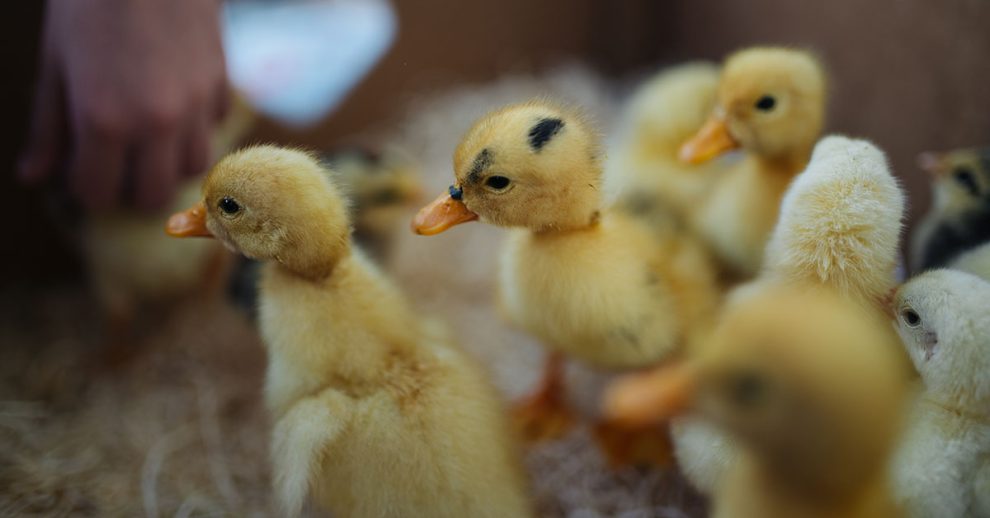
Some animals are adorable because of how they look, while others win you over with their unusual behaviors, family bonds, and surprising talents. From tiny deer and sleepy dormice to devoted parents and fluffy sea creatures, these facts showcase some of nature’s most lovable residents.
Cable Munching Forest Culprit
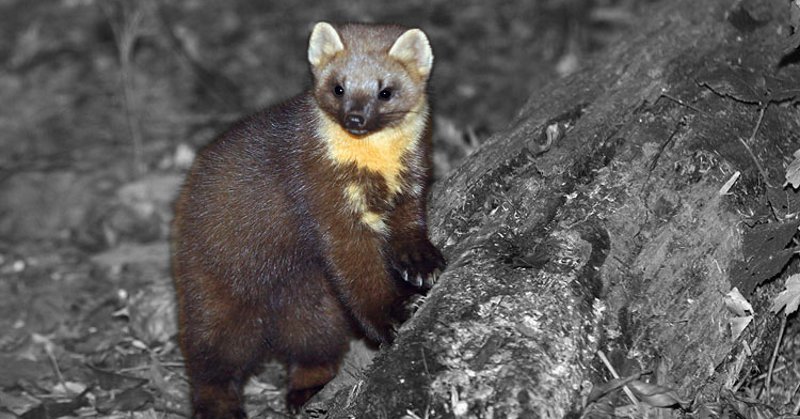
1. Martens have caused more than 64 million euros in car damage in Germany in 2014. It may look cute, but it has a habit of chewing car cables. In Germany, they are called “Marder.”
2. The Holland Lop is one of the most popular rabbit breeds and reaches a maximum weight of 4 lbs (1.8 kg), making it one of the smallest lop-eared breeds. Despite its compact size, Holland Lops are known to be muscular and well toned.
3. Marine iguanas and lava lizards have a mutualistic relationship in which the lizards often run over the iguanas while hunting flies. Because the iguanas are herbivores, they depend on the lizards to remove those flies.
4. The maned wolf (Chrysocyon brachyurus) is the largest canid in South America. Its markings resemble those of foxes, but it is neither a fox nor a wolf. It is the only species in the genus Chrysocyon, a name that means “golden dog”. These animals are also commonly mistaken for “El Chupacabra.”
5. Hedgehogs are called “the gardener’s friend” because they help keep garden pests such as slugs and snails under control.
6. Sea otters have lung capacities roughly 2.5 times larger than those of land mammals of similar size, which makes their bodies especially buoyant in water.
7. When woodcocks rock and strut, they are actually searching for food; the bobbing is believed to help them sense subtle changes in the soil, making worms easier to detect.
8. About 26% of the blunt head tree snake’s head is occupied by its eyes.
9. Rats emit giggle-like sounds when tickled; these vocalizations are ultrasonic and require special equipment to hear, but become unmistakable once detected.
10. A sloth’s claws operate opposite to human hands: they naturally form a tight, powerful grip and require effort to open, which is why sloths do not fall from trees while sleeping.
Explosive Caterpillar Growth Window
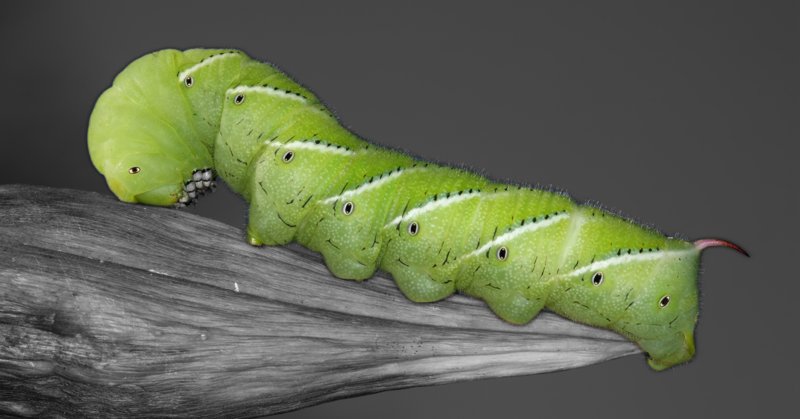
11. An average monarch butterfly increases its mass by 2,000 times during the caterpillar stage, which takes 9-14 days. This is only 7 days of growth.
12. A newborn Chinese water deer is so small it can almost be held in the palm of the hand. When it matures, instead of growing antlers, it grows long upper canine teeth, gaining it the name “Vampire Deer.”
13. Milk from the spotted hyena has higher protein and fat content than the milk of any other terrestrial carnivore.
14. Bald eagles take about five years to obtain their white head. These pictures are of the same bird taken years apart, illustrating the difference between juvenile and subadult plumage.
15. Tibetan Mastiffs were originally used as guard dogs for livestock and property. They can still be found performing that role, but they also enjoy life as family companions and show dogs. One red mastiff named “Big Splash” was reportedly sold for $1.5 million in 2011, in the most expensive dog sale then.
16. Male African jacanas are nicknamed “Jesus Bird” because the males carry their chicks in their wings.
17. A jaguar’s jaws are stronger than those of any other cat species. With this strength they will crunch down on bones and eat them. Their jaws are strong enough to crack a sea turtle’s shell. In zoos, bones are part of a jaguar’s regular diet.
18. Native to India, sloth bears are the only ursids known to carry their young for extended periods. Cubs will ride on their mother’s backs for six to seven months after leaving the den.
19. Clouded leopards are among the most skilled climbers of the cats. They also have the longest canine teeth relative to their body size of any cat species, earning them the title “modern-day saber-tooth.”
20. Because of their mother’s height, newborn giraffes experience a straight five to six foot drop to the ground when they are born.
Tiny Sleepy Nocturnal Nappers
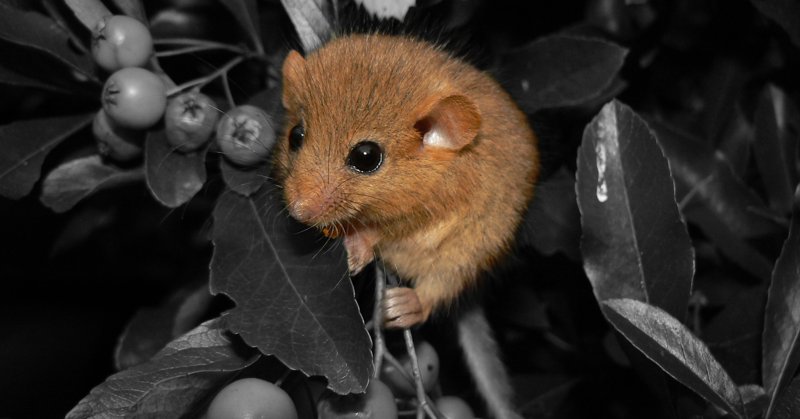
21. Hazel dormice spend a large proportion of their lives sleeping, either hibernating in nests on the ground in winter or entering a state of torpor in summer when they curl up into a ball and sleep. They are also nocturnal, and you can hear them snore.
22. The ears of caracal kittens do not become active until the third or fourth week after birth.
23. Gibbons are one of the only non-human primates that practice monogamy. Both parents play a vital role in raising their young.
24. Because they are round and fluffy and have wiggly little ear-like appendages, they have been dubbed “sea bunnies”. They are actually sea slugs and belong to the wild group of mollusks called nudibranchs.
25. King cheetahs are a variety of cheetah with a rare mutation caused by a recessive allele. Their cream-colored fur is marked with large, blotchy spots and three dark, wide stripes that extend from the neck to the tail.





Add Comment