

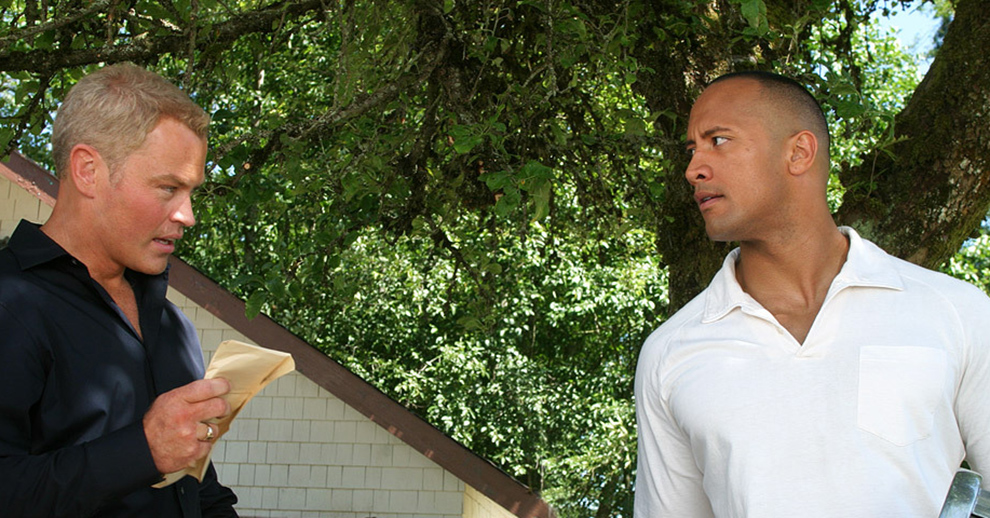
Celebrity contracts are not always just about salary, billing, and trailer size. Sometimes they include strange demands, personal boundaries, moral rules, wardrobe deals, or tiny details that sound ridiculous until you hear the reason behind them.Here are some of the weirdest, funniest, and most interesting contract clauses and creative conditions connected to actors, musicians, and famous pop-culture characters.
Dwayne Johnson Protects His Fight Image
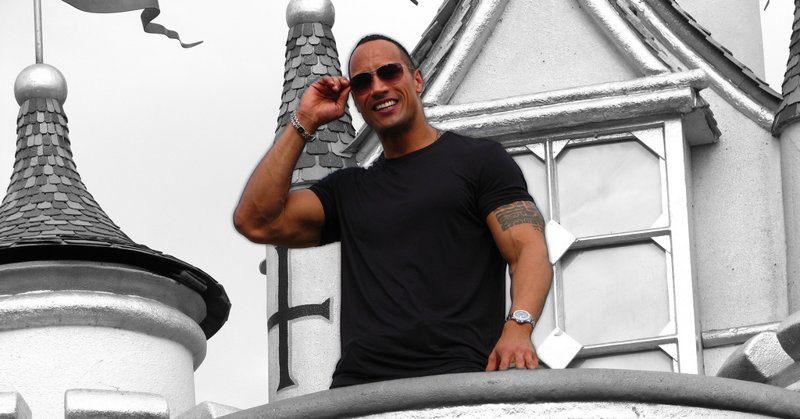
1. Dwayne Johnson / Fast & Furious franchise (2011 onward): The popular version of this story says Dwayne Johnson has a clause saying he cannot lose a fight in any movie. In the Fast & Furious films, Johnson, Vin Diesel, and Jason Statham reportedly had protections to make sure their characters did not look weaker than one another in fight scenes. That meant fights had to be choreographed carefully so nobody took too much punishment or looked like the clear loser.
Danny Trejo Makes Crime Pay
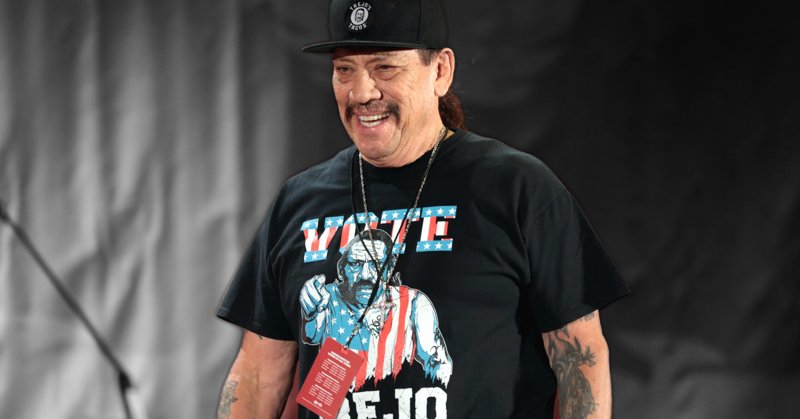
2. Danny Trejo / Criminal roles (1990s onward): Danny Trejo has often said he does not want criminal characters to look glamorous. Because of his own past with prison, addiction, and crime, he reportedly asks that his villainous or criminal characters either die, lose, or face consequences. The point is simple: if kids watch him play a bad guy, he wants them to understand that crime does not pay.
Reese Witherspoon Kept Elle Woods’ Wardrobe
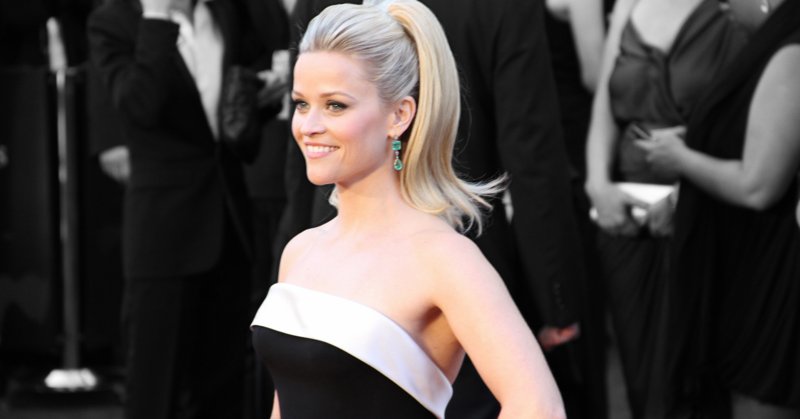
3. Reese Witherspoon / Legally Blonde 2: Red, White & Blonde (2003): When Reese Witherspoon returned as Elle Woods, she had a very Elle Woods clause added to her contract. After filming ended, she got to keep Elle’s wardrobe, including a large collection of shoes. It was not just a vanity perk either, because Elle Woods’ clothes had become a huge part of the character’s identity.
Fred Durst Became The Rumored Cameo Clause
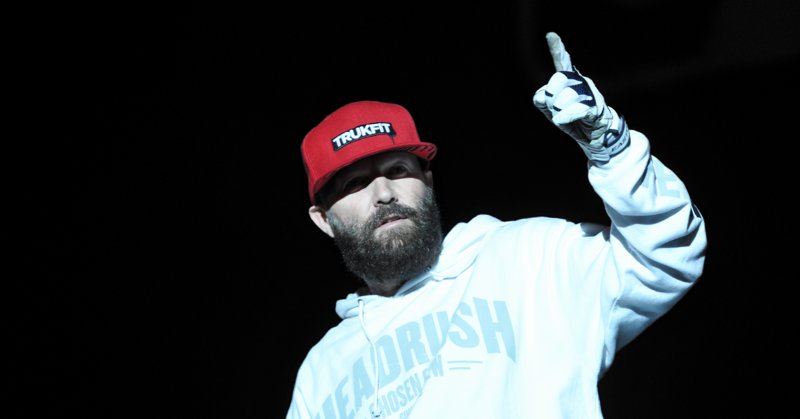
4. Fred Durst / Limp Bizkit music in games (2000s): A long-running fan explanation says Fred Durst had a clause requiring video games that used Limp Bizkit music to also include him as a character. The exact contract wording is hard to verify, but Durst did appear as a playable character in several early-2000s games, including WWF SmackDown! Just Bring It and Fight Club. Whether it was a formal clause or a licensing oddity, it became part of his pop-culture legend.
Van Halen Banned Brown M&Ms
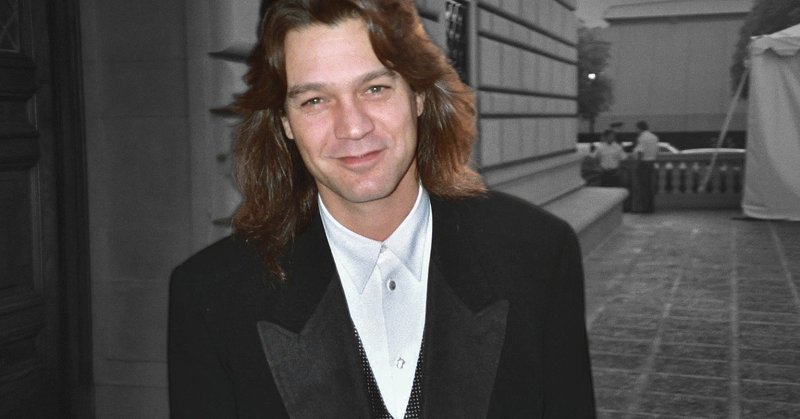
5. Van Halen / Concert tour rider (1980s): Van Halen famously demanded bowls of M&Ms backstage with all the brown ones removed. At first, it sounded like pure rock-star nonsense, but the clause had a practical purpose. The band used it as a quick test to see whether venues had actually read the full technical rider, which mattered because their concerts involved heavy equipment, complex staging, and major safety risks.
Tony Sirico Refused To Play A Rat
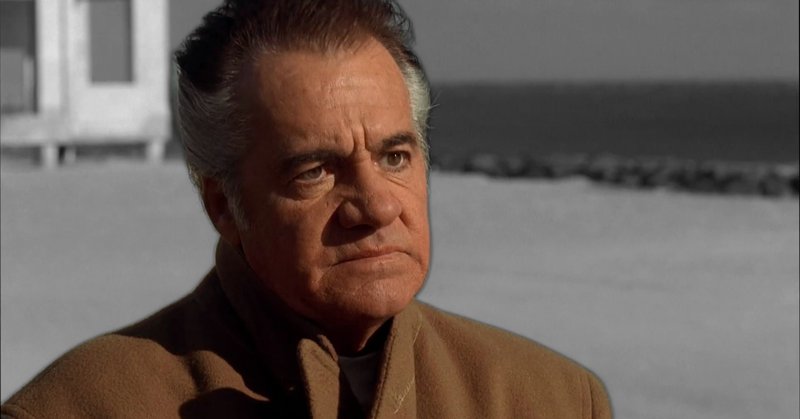
6. Tony Sirico / The Sopranos (1999): Tony Sirico agreed to play Paulie Gualtieri on The Sopranos, but he had one major condition: Paulie could not become an informant. Sirico had a real criminal past before becoming an actor, and he reportedly did not want to play a character who snitched to law enforcement. The writers still had fun with the loophole, since Paulie leaked information to other mobsters without technically becoming a police rat.
Jack Nicholson Made Batman Work Around The Lakers
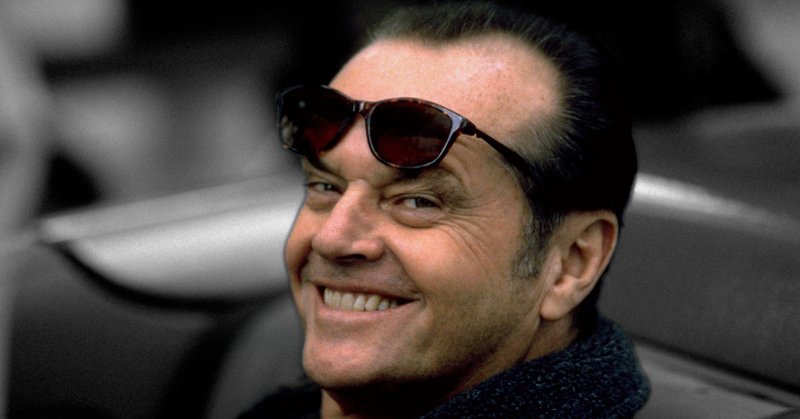
7. Jack Nicholson / Batman (1989): Jack Nicholson’s Batman deal became legendary because he took a lower upfront salary in exchange for a huge backend deal tied to the film’s success. The funnier part of the story is that he was also famously protective of his Los Angeles Lakers schedule. Reports have long claimed Nicholson arranged his filming commitments so he could still attend home games.
Tony Todd Got Paid Per Bee Sting
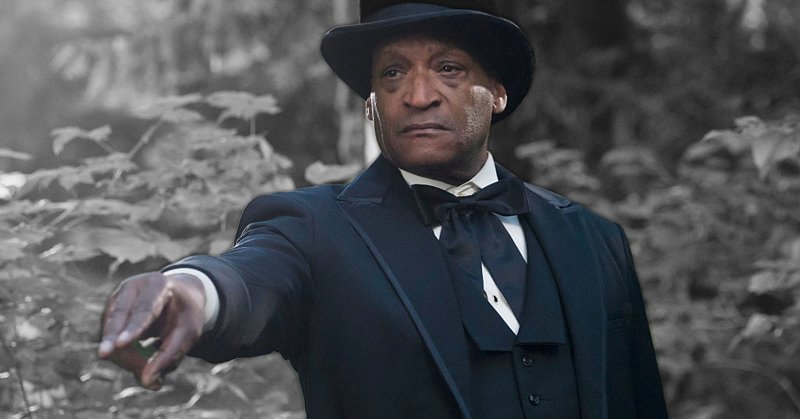
8. Tony Todd / Candyman (1992): Tony Todd had to perform with real bees for Candyman, including the famous scene where bees crawl over his face and near his mouth. He negotiated a bonus for each bee sting he received during filming. Todd later said he was paid $1,000 per sting, which turned one of horror’s most uncomfortable scenes into one of its strangest paydays.
Glenn Close Kept Cruella’s Wardrobe
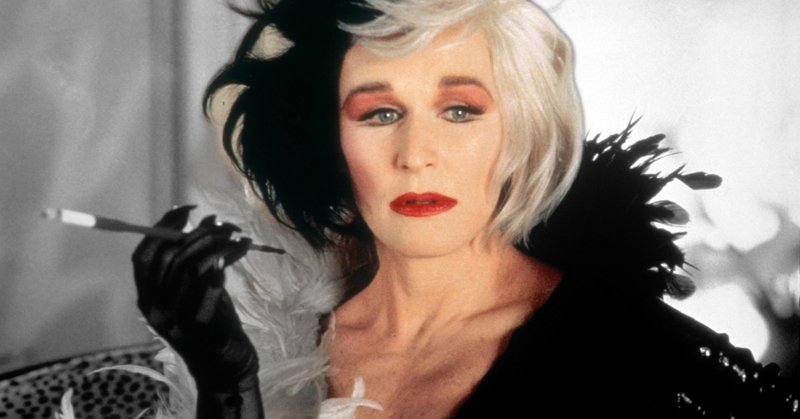
9. Glenn Close / 101 Dalmatians (1996): Glenn Close made sure her contract let her keep Cruella de Vil’s costumes after filming. That sounded simple until Disney realized how elaborate and expensive Cruella’s custom wardrobe was. Close held them to the deal, and the costumes later became museum-worthy pieces rather than ordinary film leftovers.
Chuck Jones Set Rules For The Road Runner
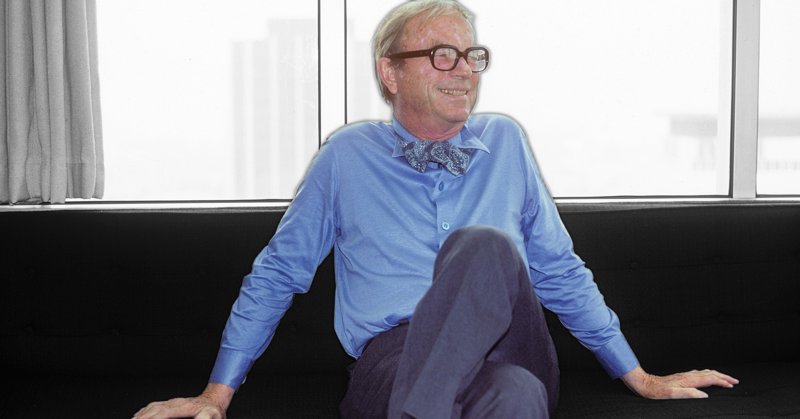
10. Chuck Jones / Road Runner cartoons (1949 onward): Chuck Jones created strict rules for Wile E. Coyote and the Road Runner. The Road Runner could not really harm the Coyote except by going “beep beep,” the Coyote had to fail because of his own obsession or faulty Acme products, and the setting had to stay in the desert.
Godzilla Comes With Toho Rules
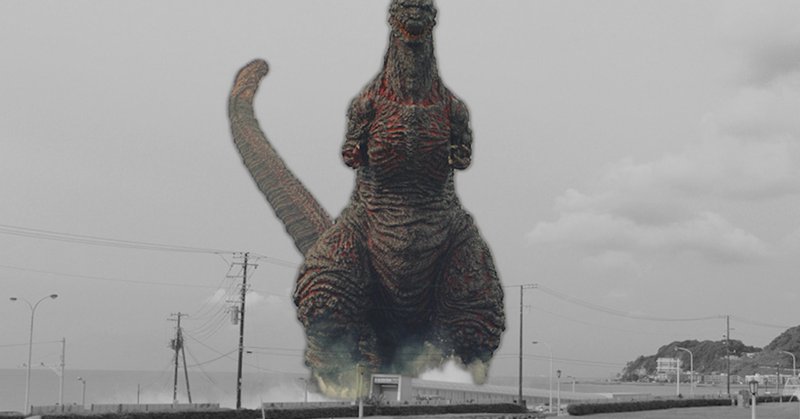
11. Toho / Godzilla franchise (1954 onward): Godzilla is not just a monster; he is a heavily protected brand. Toho, the Japanese company that owns Godzilla, has placed rules on how the character can be used, including limits on killing him off or turning him into an ordinary creature that preys on people. Fans debate the details, but the broad point is that filmmakers have to protect Godzilla’s mythic image.
Spider-Man Has Moral Guidelines
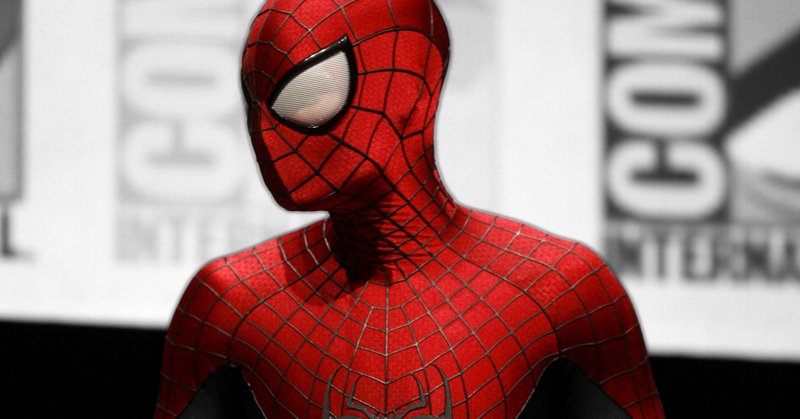
12. Spider-Man / Sony-Marvel licensing guidelines (2011): Leaked Sony-Marvel documents showed that Spider-Man came with detailed character guidelines. Peter Parker and Spider-Man could not be shown smoking, abusing alcohol, selling drugs, torturing people, or killing except under narrow circumstances. It is basically “with great power comes great legal responsibility.”
Neal McDonough Will Not Kiss Co-Stars
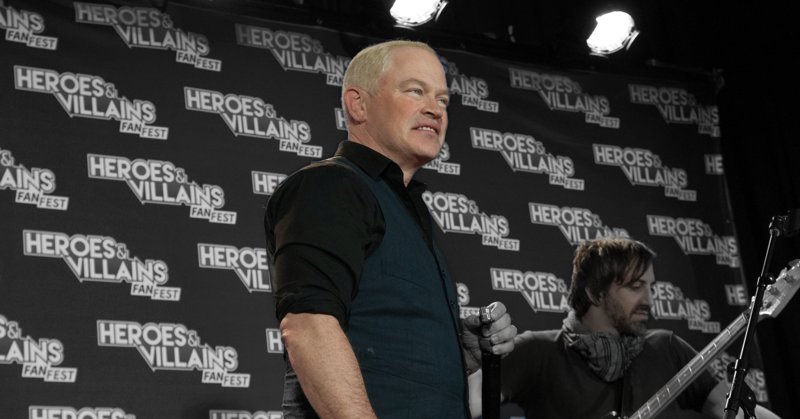
13. Neal McDonough / TV and film roles (2000s onward): Neal McDonough has a personal rule against kissing women onscreen because he says it would disrespect his wife. That boundary reportedly cost him jobs, but he has stuck with it across his career. Productions that want him have to work around the rule or cast his real wife for romantic scenes.
Werner Klemperer Would Not Let Klink Win
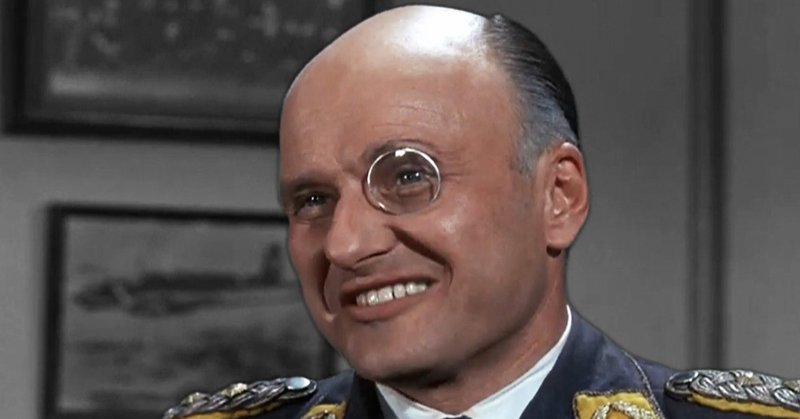
14. Werner Klemperer / Hogan’s Heroes (1965): Werner Klemperer, who fled Nazi Germany with his family, agreed to play Colonel Klink only if the character remained a fool and never truly won. That condition gave the sitcom a moral boundary: the Nazi officer could be mocked, tricked, and humiliated, but not allowed to become competent or heroic. It turned a potentially uncomfortable role into one built around ridicule.
Carol Burnett Activated Her Own Show
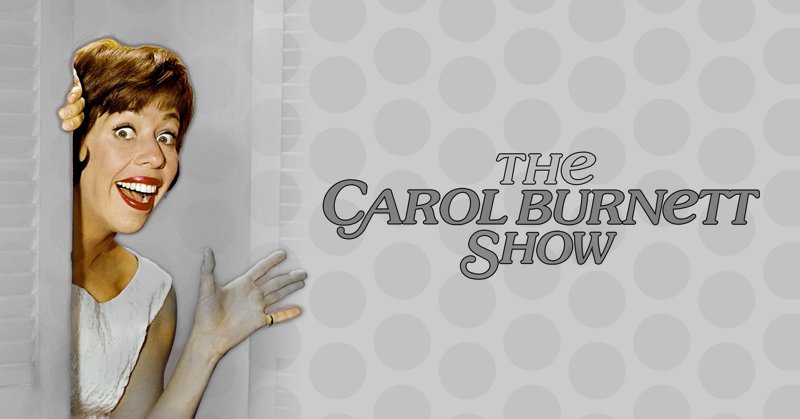
15. Carol Burnett / The Carol Burnett Show (1967): Carol Burnett had a CBS contract that let her “push the button” and force the network to give her a variety show. CBS executives reportedly tried to steer her toward a sitcom instead, but the contract gave her the power to insist. The result was The Carol Burnett Show, one of the defining variety shows in American television.
Chuck Norris Cleaned Up The Expendables
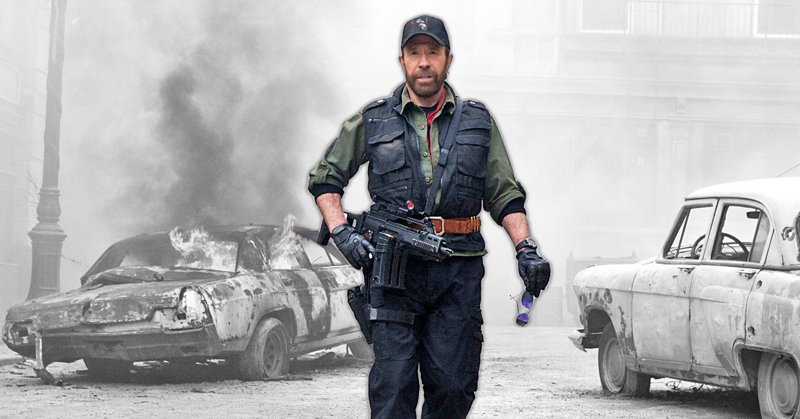
16. Chuck Norris / The Expendables 2 (2012): Chuck Norris reportedly agreed to appear in The Expendables 2 only if the film reduced the harsher profanity and aimed for a PG-13 rating. The movie still had violence and explosions, but the language was toned down.
Tom Cruise Wanted Big Hands And Dancing
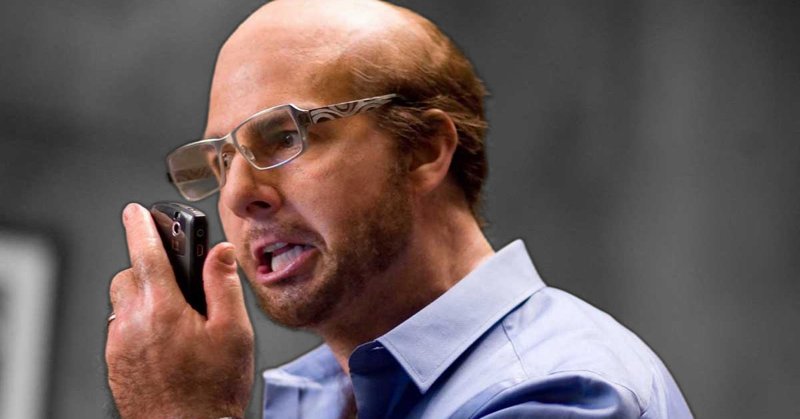
17. Tom Cruise / Tropic Thunder (2008): Tom Cruise did not just agree to play Les Grossman as a normal cameo. He reportedly helped create the character’s look and insisted on two things: oversized hands and a dance scene. Those choices turned a studio-executive parody into one of the movie’s most memorable surprises.
Shannen Doherty Wanted Her Mallrats Clothes
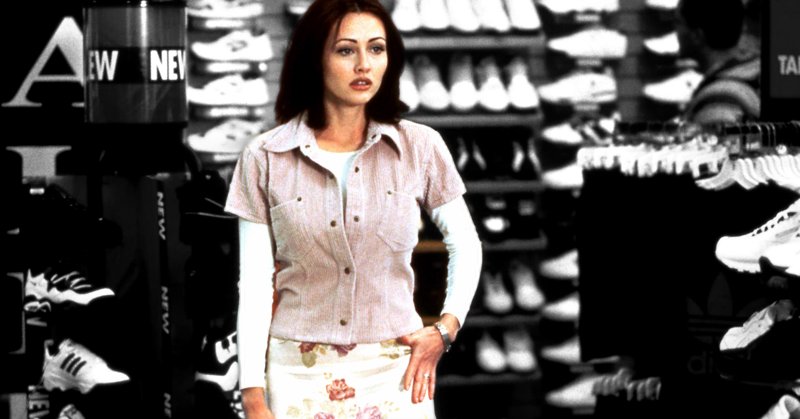
18. Shannen Doherty / Mallrats (1995): Shannen Doherty reportedly had a wardrobe clause for Mallrats that let her keep the clothes her character wore. The funny part is that the movie takes place over a short period, yet her character changes outfits repeatedly. According to the fan version of the story, that made the clause a lot more useful.
Steve McQueen Asked For Strange Bulk Items
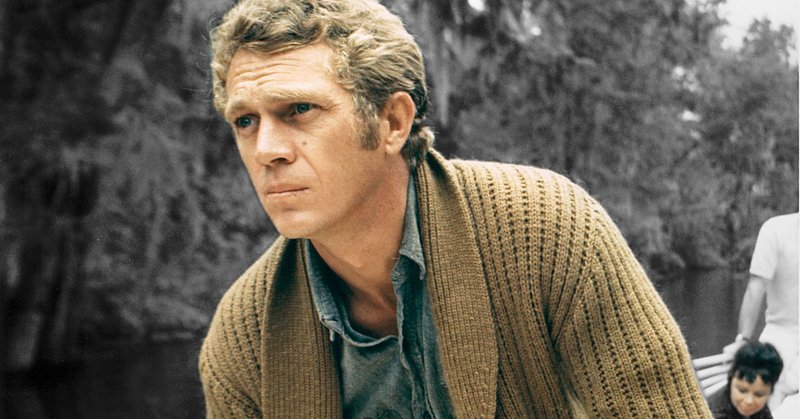
19. Steve McQueen / Film contracts (1960s-1970s): Steve McQueen reportedly made unusual contract demands for bulk items such as razors, jeans, and other everyday goods. The story becomes much sweeter when you find out that those items were allegedly donated to Boys Republic, the reform school where McQueen had lived as a teenager.
Robin Williams’ Homeless Hiring Clause
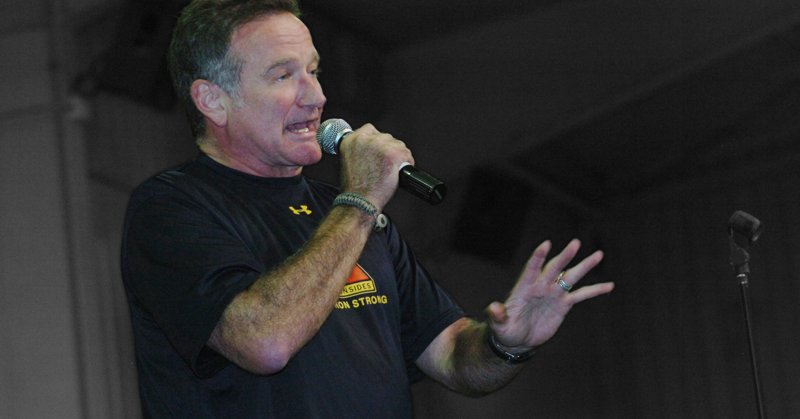
20. Robin Williams / Film productions (1990s-2000s): A popular story claims Robin Williams required productions to hire homeless people whenever he made a movie. The formal contract-clause version remains difficult to prove, but his daughter Zelda Williams has said he regularly hired unhoused people on his projects and tours.
Tom Kenny’s SpongeBob Voice Is Protected

21. Tom Kenny / SpongeBob SquarePants (1999): Fans often claim Tom Kenny cannot use his exact SpongeBob voice for unrelated characters or media. A strict public contract clause is not easy to verify, but the idea makes sense because SpongeBob’s voice is one of Nickelodeon’s most recognizable assets. Kenny has voiced SpongeBob since the show began in 1999, while also playing many other characters.


Add Comment