

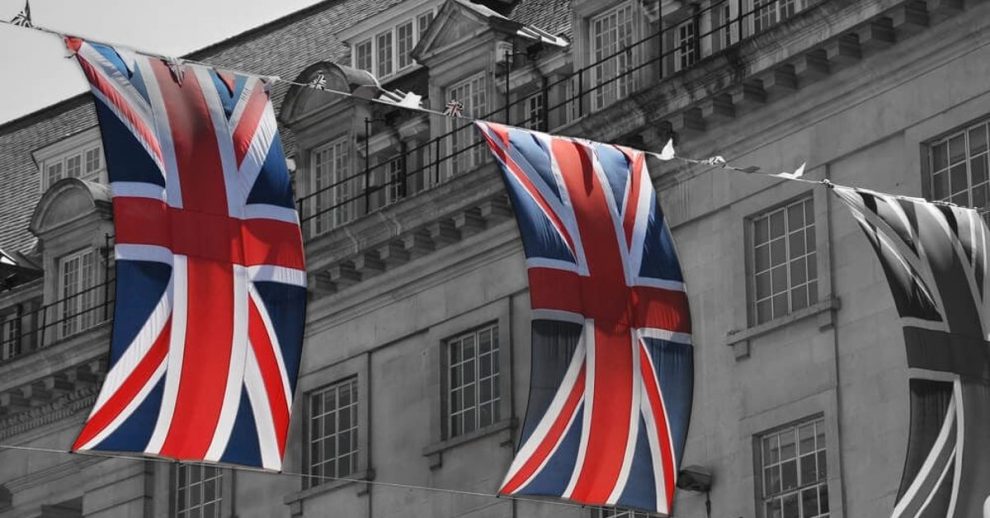
Great Britain’s history is packed with clever tricks, strange laws, brutal empire stories, and odd little details that sound almost invented. From wartime sabotage and tea theft to sunlight rights, lost declarations, and a club for proud incompetence, these facts show how strange British history can get.
Sunlight Rights From Old Law
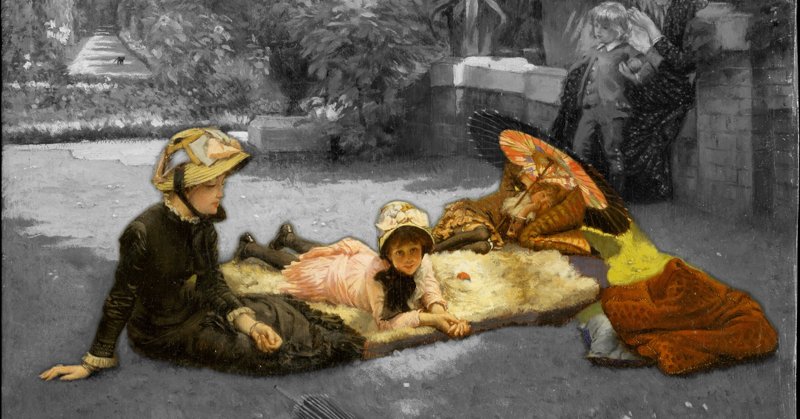
1. The English common law doctrine called ‘Ancient Lights’ holds that people may have a reasonable expectation of receiving sunlight, and when that expectation exists their neighbors ought not to deprive them of it.
2. In 2005 the Republic of Fiji misplaced its declaration of independence from Britain. After searching for five years, Fiji’s government turned to Britain, which provided a photocopy.
3. During World War I British newspapers falsely alleged that the Germans rendered soldiers’ corpses down into soap, candles, and nitroglycerin. As a result, when news of the Holocaust reached Britain during World War II, the government assumed it was another fabricated atrocity story.
4. Fifty years before the Salem trials, Plymouth Colony held two witchcraft trials. Unlike the later, more infamous trials, the accused were found not guilty and their accusers were fined for making false statements.
5. During the Revolutionary War the British crown had an approval rating of at least 15%, which was higher than the US Congress approval rating of 13% in 2016.
6. The British once referred to mainland Europe as “the Continent.” As increasing numbers of continental European tourists traveled to England and the Americas, they pushed for the breakfast of pastry, fruit, and coffee they normally ate. That is why hotels serve a “Continental Breakfast,” and it is inexpensive.
7. During World War II Britain removed all their road signs so that if the Germans invaded, they would become lost. These defensive measures included taking down signposts, milestones, and railway station signs. Gas pumps at service stations near the coast were also taken out of service.
8. The first female doctor in Britain spent 56 years disguised as a man. Her secret was not discovered until after her death in 1865.
9. During the British Raj, India suffered some of the worst famines on record, including the Great Famine of 1876–1878, in which 6.1 million to 10.3 million people died, and the Indian famine of 1899–1900, in which 1.25 million to 10 million people died.
10. During the English Civil War, Lady Mary Bankes defended a castle against over 200 attackers with only five men initially under her command. She was later reinforced by 80 royalists and held out against a total of 600 men for three years before being betrayed and forced to surrender.
Submarine Stigma Became Tradition
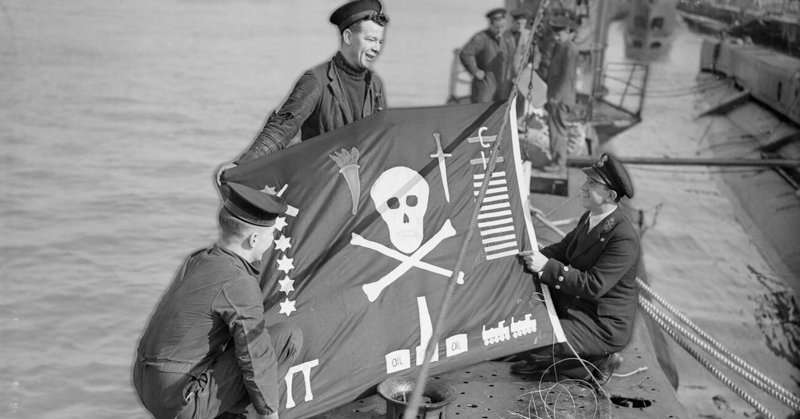
11. British submarines fly the Jolly Roger because a First Lord Sea Admiral described submarines as “underhanded, unfair, and damned un-English” and said their sailors should be hanged as Pirates.
12. Great Britain is among the small number of states that have an uncodified (unwritten) constitution. It is not contained in a single document but consists of a collection of treaties, various laws, practices, and conventions that have developed over a long period of time.
13. Britain is responsible for 63 Independence Day celebrations around the world. That is, on average, one Independence Day from the U.K. every six days throughout the year.
14. When Vanuatu was a colony it was ruled jointly by Britain and France under a system called the Condominium. Because government bureaucracies were duplicated and the Melanesians were officially stateless, it was informally nicknamed the Pandemonium.
15. Queen Elizabeth II, the longest-reigning monarch in British history, was the first British monarch to have a sapphire jubilee, marking 65 years of reign. There were no public celebrations and she spent the day in “quiet reflection” and undertaking official work.
16. British colonizers gave Tasmanian Aboriginal women venereal diseases that left a substantial portion of the population unable to reproduce; this was one of several factors that led to the complete eradication of the Tasmanian Aboriginal people.
17. In India, British colonials mixed gin with the bitter anti-malarial quinine tonic to mask its taste, thereby creating the Gin and Tonic.
18. Among almost 200 countries worldwide, only 22 have never been invaded by Great Britain.
19. During World War II, the British launched nearly 100,000 weather balloons trailing long metal wires toward occupied Europe; when those wires shorted power lines they caused outages and caused at least one German power station to burn down.
20. When the British burned the White House in 1812, they did not burn the Marine Barracks or the Commandant’s House out of respect for the honorable conduct of the Marines at the Battle of Bladensburg.
Candy Hammer Protest Tactics
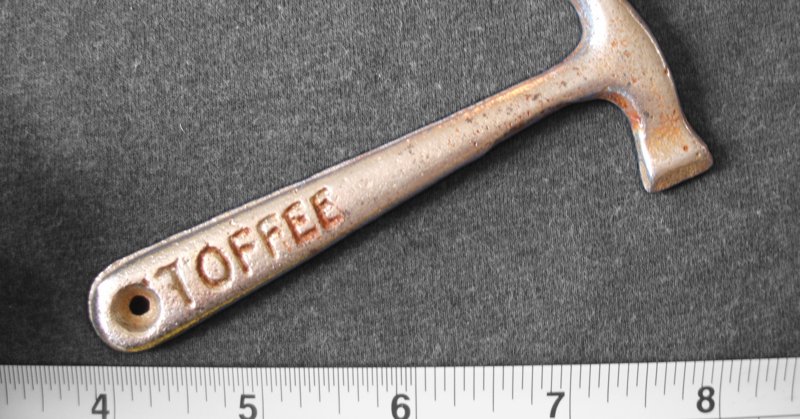
21. British suffragettes smashed windows with toffee hammers as part of their protests that successfully won women the right to vote.
22. In the early 19th century, the East India Company cut off the hands of hundreds of people in Bengal to destroy the indigenous weaving industry in favor of British textile imports.
23. The British built a 1,100-mile hedge through central India, with sections 12 feet tall and 14 feet across, as part of the Inland Customs Line, a barrier created to impose a high salt tax on people living on the relatively saltless side.
24. The British Empire was the largest empire in history, claiming 23% of the world’s land area and a population of 458 million.
25. Founded in 1977, the “Not Terribly Good Club of Great Britain” existed for people proud of their incompetence; the club was forced to close when the founder sold a book that became a bestseller and the club received thousands of applications, “even as failures, we failed.”






Add Comment