

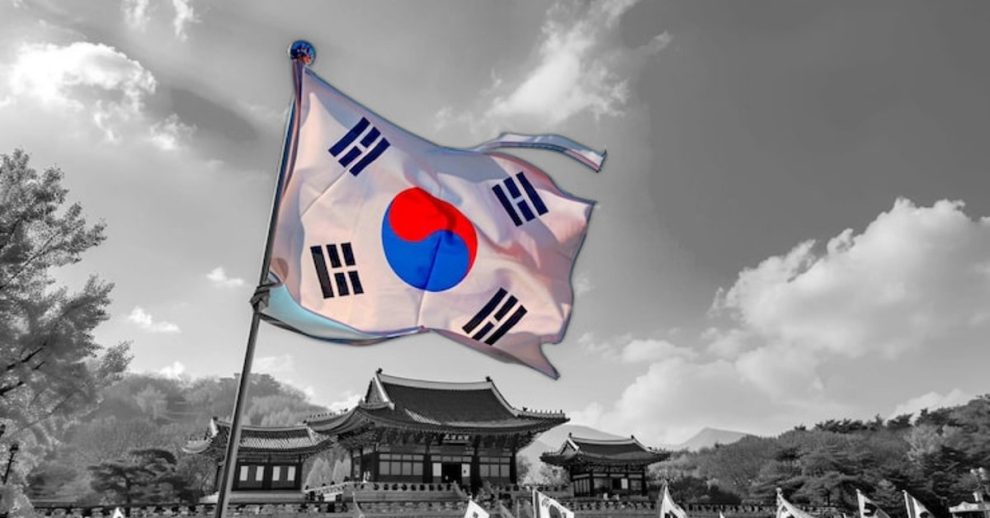
South Korea is one of the world’s most technologically advanced and culturally influential countries, but behind its global image lies a collection of stories that are strange, intense, and unforgettable. 25 Wild Facts About South Korea explores the country’s unusual traditions, bizarre laws, social pressures, and surprising historical moments. From giant poop museums and robot baseball fans to military exemptions, urban myths, and exam days that can halt an entire nation, these facts reveal just how unique modern South Korea can be.
One Year At Birth
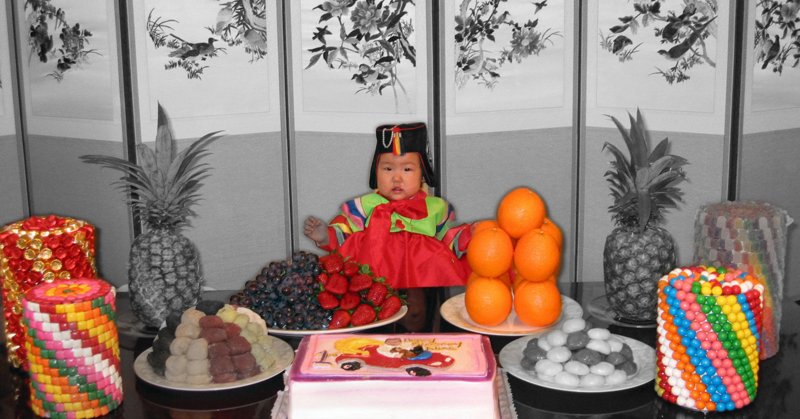
1. In South Korea, newborns are counted as one year old at birth and then everyone gains one year on New Year’s Day. Calculators exist to convert international age to Korean age and back.
2. Fan Death is a well-known myth in South Korea. People believe that running an electric fan in a closed room with unopened or no windows can cause death. Despite the absence of concrete evidence, the myth persists because it is a popular urban superstition.
3. In South Korea, employers give workers a “kimchi bonus” in the fall so they can buy all the ingredients needed to make their annual supply of kimchi.
4. Adopting children carries such a stigma in South Korea that women are recommended to wear a maternity pillow to appear pregnant until the adoption is finalized.
5. During the May 18 Democratic Uprising of 1980, hundreds of civilians and students in South Korea were killed by the dictatorship army.
6. In South Korea, men who win Olympic medals are exempt from the mandatory two-year military service.
7. Some South Korean mothers are having their children undergo tongue surgery so the children can speak “flawless English” by correcting misplaced L and R sounds.
8. In 2014, Christians in South Korea erected a giant Christmas tree visible from the North Korean border; the North Korean government claimed it was a psychological warfare tool and demanded its removal, and the South Korean defense ministry later said it was dismantled for safety concerns.
9. In 1978, North Korea kidnapped South Korean film director Shin Sang-ok and actress Choi Eun-hee and instructed them, under Kim Jong-Il’s orders, to make films intended to win international recognition for North Korea’s film industry.
10. BTS, a seven-member South Korean boy band, generates more than $3.6 billion for South Korea’s economy each year and was the reason one in every 13 foreign tourists visited the country in 2018.
Hyundai Customers’ Gruesome Fate
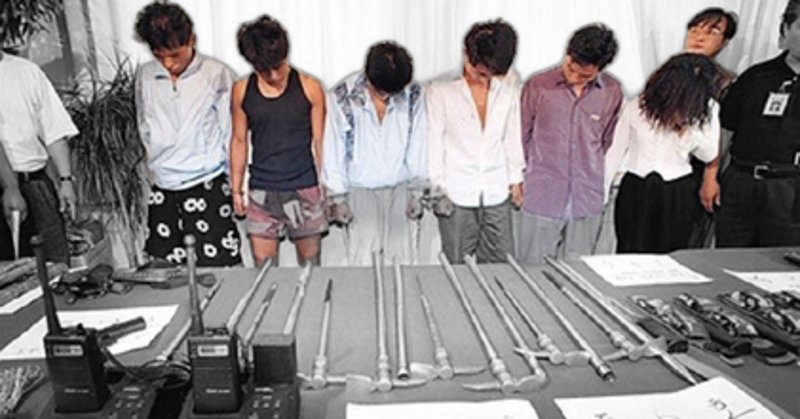
11. There was a South Korean gang called the Chijon family that specialized in kidnapping and eating rich Hyundai customers. One gang member admitted to dismembering his victims and eating their flesh, saying this was to fire up his courage and to renounce his humanity.
12. To try to reduce the high number of suicides on South Korea’s Mapo Bridge, it was unofficially renamed the Bridge of Life. It was decorated with positive affirmations and sympathetic sculptures. Suicides increased sixfold the following year.
13. There is a museum in Seoul, South Korea focused on poop. It is called Poopoo Land.
14. In 1982, a South Korean man named Woo Bum-kon began a massive killing spree after his girlfriend woke him while trying to swat a fly on his chest. He was so enraged that he murdered 56 people and wounded 35 others.
15. The Hanwha Eagles, a South Korean baseball team, have robot fans controlled by real fans who cannot attend the game. The bots can cheer, chant, and do the wave.
16. In 2011, Seoul’s 39-story Techno Mart was evacuated when people on the upper floors felt tremors. Investigators found not an earthquake but an exercise class on the 12th floor playing Snap!’s “The Power”, which matched the building’s resonant frequency and made it shake violently.
17. In Daesong-dong, a South Korean town just 350m from the North Korean border, the government exempts residents from taxes and compulsory military service to encourage them to stay. For security, there is nonetheless a nightly 11 pm curfew and headcount.
18. South Korean law permits only visually impaired people to be licensed masseurs. The regulation goes back over 100 years to Japanese colonial rule, when it was established to ensure the blind had a means of earning a living.
19. Koshik, an elephant at a South Korean zoo, learned to mimic human speech by inserting its trunk into its mouth.
20. Each November in South Korea, Suneung is observed: people keep noise to a minimum so students can focus on the most important exam of their lives. Flights are grounded, construction work pauses, banks close and even military training stops. In some cases, police escort students who are running late to the test.
Millions Flock To Mud Festival
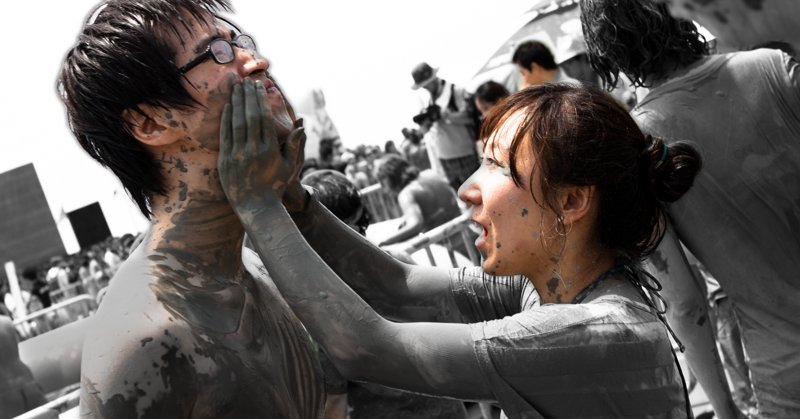
21. Each year, the Boryeong Mud Festival in South Korea attracts more than 2 million visitors. The mud is considered rich in minerals and is used to make cosmetics.
22. Soju is South Korea’s national drink. It is a clear alcohol typically made from rice or barley, has an alcohol content of about 20%, and is subject to a government-mandated price of about $1 per bottle so that all citizens can afford it.
23. South Korea is home to a sex theme park called Love Land, which features 140 sculptures representing humans in various sexual positions.
24. A South Korean man named Kim Ung-Yong was a guest student at a university at the age of 3, was invited by NASA to conduct research at the age of 8, and earned a Ph.D. in Civil Engineering at the age of 15. He also has the highest IQ ever recorded in history.
25. In 2009, the city of Seoul painted 4,929 parking spaces pink so that women would not have to walk as far to their destination and to make the city more conducive to wearing high heels.







Add Comment