

Looking for a fun way to discover new knowledge? Our Random Facts Generator delivers 10 surprising facts every time you refresh — covering history, science, culture, and more. It’s the easiest way to explore fascinating trivia on the fly, with fresh facts waiting for you on every visit. Keep clicking to uncover unexpected stories and boost your knowledge instantly.
Schizophrenia Aftermath In Germany
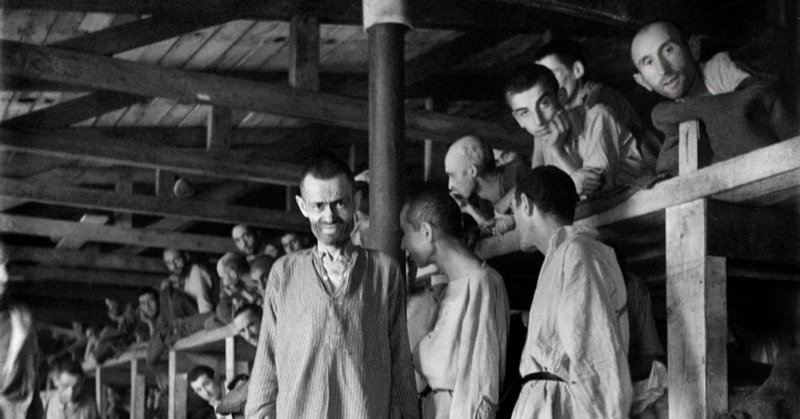
1. Even though Nazi Germany sterilized or murdered 73-100% of all schizophrenics in Germany, about 220,000-269,000 people, there were no lasting effects on later schizophrenia rates in Germany. In fact, the rate of people diagnosed with schizophrenia after World War 2 was unexpectedly high.
2. The 'one-electron universe' theory suggests that only one electron exists in the entire universe, moving through space and time in a manner that makes it appear in multiple locations at once.
3. Colonel Eduardo Abaroa Hidalgo was a Bolivian hero in the War of the Pacific involving Chile, Bolivia, and Peru. He met death with a joke about “Yo Gramma.” After a standoff with Chile, Abaroa, wounded and outnumbered, was told to surrender. He refused to abandon the battle and replied, “Surrender? Your grandmother should surrender, you bastard!” He died as a martyr for his nation.
4. During the American Civil War some soldiers' wounds produced a blue glow. Those with glowing wounds had a higher chance of survival, and the phenomenon was called "Angel's Glow". It is now known that the luminescence comes from bacteria that live in nematodes and produce antibiotics.
5. Hitler intended to cut down the "non-German population" in occupied countries by "convincing them that vaccination and the like are really most dangerous."
6. The US playing card company Bicycle produced a playing card in World War II that, when soaked, would reveal an escape route for prisoners of war. These cards were Christmas gifts for all prisoners of war in Germany. The Nazis were none the wiser.
7. During the Whiskey Rebellion of 1794, President George Washington became the only sitting president ever to command troops in the field.
8. La Familia Michoacana is a Mexican drug cartel that organizes itself around a claimed divine right to kill its enemies and a "bible" written by one of its leaders that fuses evangelical preaching with insurgent peasant sayings.
9. In ancient Egypt, Pharaoh Pepi II detested flies so much that he kept naked slaves smeared with honey near him to keep flies away.
10. In 1960, a Russian terrorist carrying a bomb attempted to seize Trans Australia flight 408. Co-pilot Tom R. Bennett saved 49 lives by punching him in the face and tearing the bomb's wires loose.


