


Egypt’s history gets much stranger once you look beyond the pyramids. These facts dig into odd royal customs, ancient beliefs, mysterious figures, unusual laws, and surprising details from everyday life along the Nile.
Scandalous Origin Story of Moses
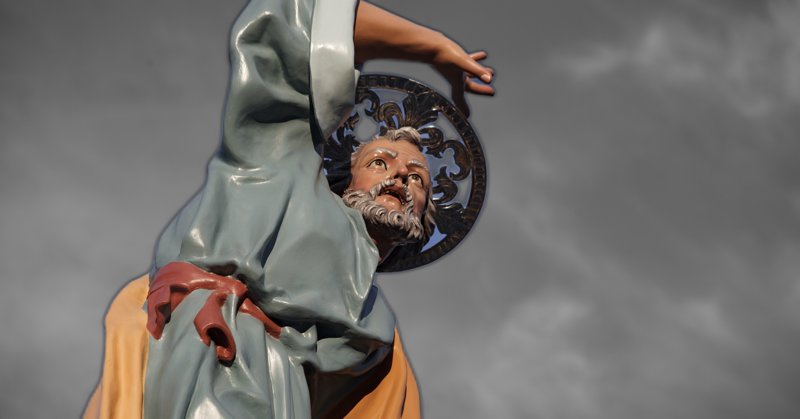
1. The ancient Egyptian historian Manetho asserted that Moses was an Egyptian priest called Osarseph who led a colony of leper slaves and invited barbarians to destroy Egypt. After thirteen years the pharaoh Amenhotep and his son Ramses drove them out of Egypt, and Osarseph then changed his name to Moses.
2. In ancient Egypt, by decree of Ptolemy II, every ship visiting the city was required to hand over its books to the Library of Alexandria to be copied; the original was retained in the library and a copy returned to the owner.
3. In ancient Egypt, men could take time off work to care for wives and daughters who were menstruating.
4. In Ancient Egypt, dwarfs were regarded as people possessing celestial gifts, were treated with the greatest respect, and enjoyed the highest social positions.
5. Egyptian pharaohs were often fat. They consumed high-sugar diets rich in bread, honey, beer, and wine. Examinations of various royal mummies show that many suffered from obesity, heart disease, and diabetes. Hatshepsut, Egypt’s most famous woman pharaoh, was obese and had tooth decay.
6. Egypt enforces compulsory military service for males only when they have a brother; males with no siblings or only a sister are exempt.
7. In ancient Egypt, iron was called ‘Ba-en-pet’, meaning ‘Metal of Heaven’, because people had not discovered how to smelt iron ore and the only source of iron was meteorites.
8. In ancient Egypt, pharaohs were always shown in paintings and statues wearing a ceremonial false beard; since pharaohs were regarded as children of God, the beard signified divinity and was therefore worn even by female pharaohs such as Hatshepsut.
9. In ancient Egypt, killing a cat, even accidentally, carried the death penalty.
10. In ancient Egypt, Pharaoh Pepi II detested flies so much that he kept naked slaves smeared with honey near him to keep flies away.
Ancient Cleric’s Translation Claim
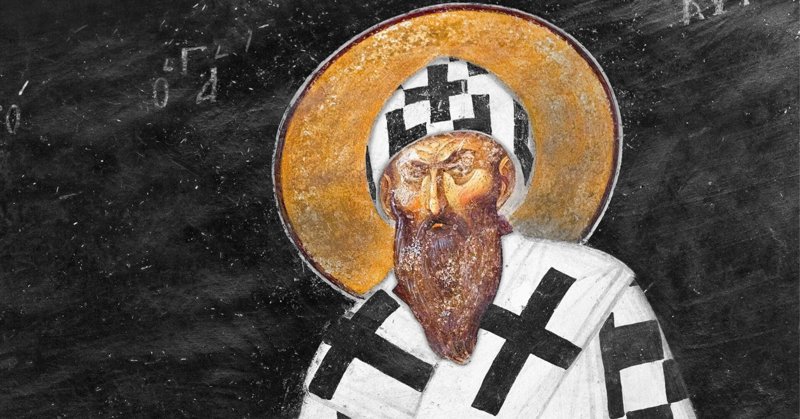
11. Cyril of Alexandria argued that the word “camel” in the saying “it is easier for a camel to go through the eye of a needle than for a rich man to enter heaven” is a Greek mistranslation; he maintained the original term was “kamilos,” which means rope.
12. In Egypt’s Siwa Oasis there has been a longstanding custom of same-sex relationships and marriages, which Egyptian authorities have increasingly succeeded in suppressing.
13. In ancient Egypt some laborers received payment in bread and beer, and highly compensated workers could be awarded several hundred loaves of bread daily.
14. Set, an Egyptian god, was originally seen as a heroic protector of ancient Egypt; but as Egypt experienced repeated foreign conquests, Set became demonized. Later the Greeks identified Set with Typhon, a link that influenced the development of other demonic myths.
15. The earliest reported case of gigantism is attributed to King Sa-Nakht, a ruler of Egypt’s Third Dynasty over 4,700 years ago; his height is estimated at about 6 feet 1.6 inches (1.87 m), compared with an average male height of roughly 5 feet 6 inches (1.7 m) at that time.
16. Originally, the Great Pyramid of Giza was clad in smooth, polished white limestone, which was later removed to provide stone for mosques and fortresses.
17. In Ancient Egypt, the bodies of attractive, high-ranking women were left to decay for three to four days before being sent for embalming; this was done to discourage necrophilia.
18. Despite his wealth, King Farouk of Egypt (1920-65) was a kleptomaniac who once stole a pocket watch from Winston Churchill, and after having a nightmare of being chased by an angry lion he went to Cairo Zoo and shot all the lions in their cages.
19. Evidence suggests that Ancient Egypt had proctologists, and the term for the office literally translates as “shepherd of the anus.”
20. Hatshepsut was the first woman to rule ancient Egypt as a full pharaoh; in art she portrayed herself as male, wearing a false beard, having her breasts reduced and de-emphasized, and showing broad, manly shoulders, and she led Egypt into a period of prosperity.
Sphinx’s Millennial Repair Mystery
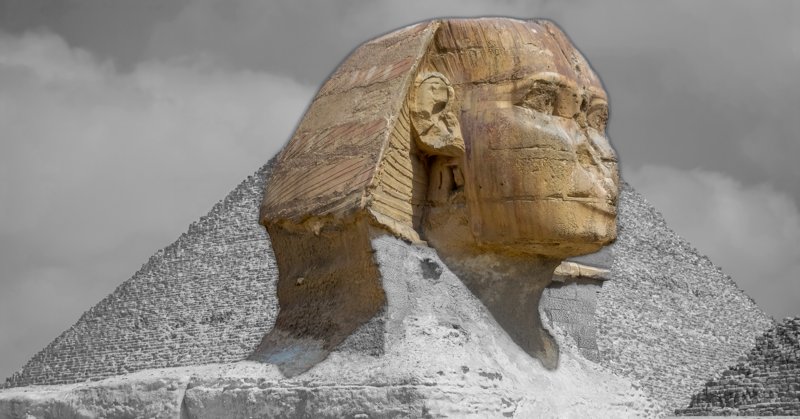
21. The Great Sphinx of Giza is so ancient that its earliest repair took place in 1400 B.C., when it had already been standing for about a thousand years.
22. In Ancient Egypt, the upper classes enjoyed meat, fruit, vegetables, and honey-sweetened cakes accompanied by the finest wines, while the poor subsisted on a more monotonous diet of bread, fish, beans, onions, and garlic washed down with a sweet, soupy beer.
23. Menes, the first pharaoh to rule both Lower and Upper Egypt, was killed by a hippopotamus.
24. A set of raiding colonies in ancient Egypt terrorized the Mediterranean coast and remain largely unidentified today; they are collectively known as the Sea Peoples, and according to Ramesses II no one knew how to fight them or could withstand them.
25. In ancient Egypt, couples were considered married as soon as they began living together, and formal wedding ceremonies were reserved for the upper classes.








Add Comment