

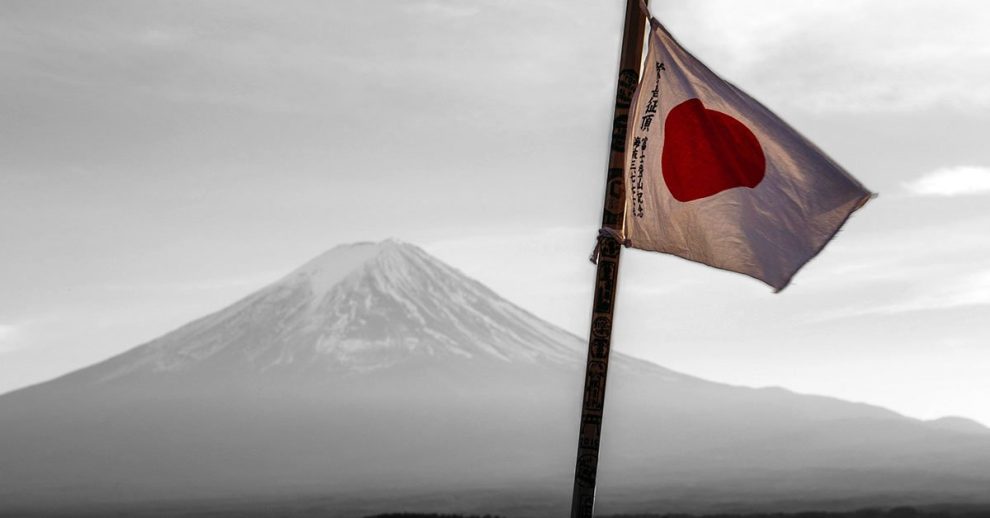
Japan is often associated with cutting-edge technology, deep traditions, and a culture unlike anywhere else in the world. But beyond the well-known aspects of the country lies a collection of stories that are strange, fascinating, and sometimes downright unbelievable. Strange and Surprising Facts About Japan explores the unusual side of Japanese life, from bizarre television shows and unexpected traditions to futuristic factories and curious social phenomena. These facts reveal how Japan’s history, culture, and modern society often blend the extraordinary with the everyday.
Masks For More Than Health
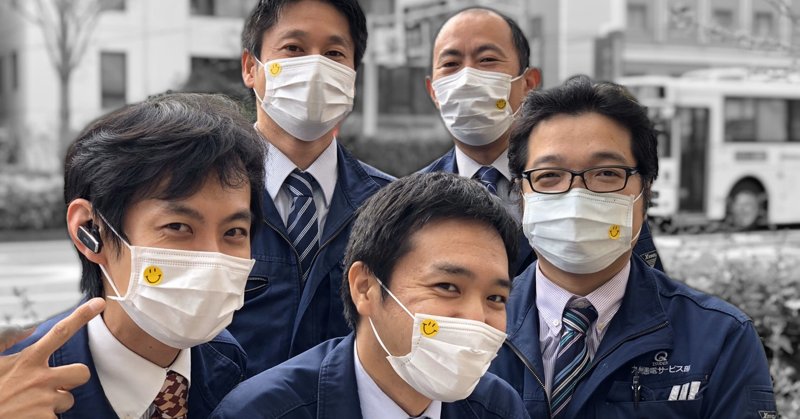
1. In Japan, surgical masks are worn not just to prevent illness but also as fashion accessories, for warmth, and occasionally to avoid talking with strangers.
2. Masabumi Hosono, the only Japanese survivor of the Titanic, lost his job after being labeled a coward in Japan for not dying with the other passengers.
3. The Yamaguchi Gumi is the world’s largest organized crime group, valued at $80 billion, while Mexico’s Sinaloa cartel was valued at $3 billion.
4. In 1998 a Japanese reality show featured a comedian nicknamed Eggplant (Nasubi) who was stripped naked, locked in a room, and forced to live off prizes he won through the mail. He did not know his experience was being live streamed 24 hours a day. To win the show he had to obtain $10,000 worth of prizes from magazine contests. After 335 days he reached his goal and set the Guinness world record for the “longest time survived on competition winnings.” The show was a gigantic hit in Japan.
5. An 87-year-old woman in Japan runs a restaurant by day and spins techno at a local Tokyo club by night; she is called DJ Dumpling.
6. In Japan, enthusiastic golfers take out insurance to protect themselves while playing. They do this because making a hole-in-one requires them to buy gifts and drinks for their friends. The policy covers a celebration costing up to $4,900.
7. A small village in Japan called Shingo is believed by its residents to be the final resting place of Jesus. They maintain that Jesus’s brother Isukiri died on the cross instead, and that Jesus fled to Japan and became a rice farmer.
8. In Japan, people sometimes organize a communal event called Rui-katsu (tear-seeking), where participants gather to watch sad clips and then cry as a means of relieving stress.
9. Beetle breeding is a $100 million industry in Japan. In 1999 a beetle specimen sold for 10,000,000 yen, which was about $100,000 at the time. The trade was once illegal, which led to spikes in beetle smuggling. In 2001 two Japanese men were arrested in Nepal for attempting to smuggle out 542 beetles.
10. In Japan there is a group referred to as Cyber Homeless who live in cyber cafes because they are a cheaper option than renting an apartment. The cafes provide free showers and also sell underwear.
Coffee With Feathered Companions
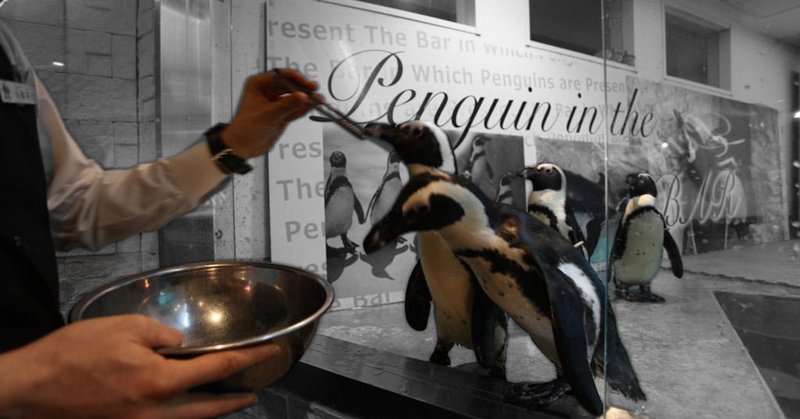
11. Owl cafes are a growing trend in Japan where you can drink coffee in the company of owls.
12. Chunosuke Matsuyama, a Japanese seaman, placed a message in a bottle in 1784 saying his ship had been wrecked; it washed up in 1935 in the village where he was born.
13. A factory in Japan can operate unattended for 30 days at a time. Robots build other robots at a rate of 50 per 24-hour shift. Such factories are called “lights out” factories because no human presence is needed. FANUC has been operating this autonomous factory since 2001.
14. If someone is violent or drunk in Japan, the police will take a large futon and roll the person up into a small burrito.
15. In early Japanese movie theaters, benshi were storytellers who sat beside the screen and narrated silent films. They descended from kabuki jōruri, kōdan storytellers, and other forms of oral storytelling. With the advent of sound in films in the early 1930s, the benshi gradually disappeared.
16. In Tokyo, you can hire a travel agency to take your stuffed animal on vacation in your absence.
17. Japan has a sociological phenomenon called ‘Hikikomori’, in which an estimated one million Japanese choose to completely isolate themselves from society by rarely or never leaving their homes.
18. In Japan, 107-year-old sprinter Hidekichi Miyazaki hopes to one day race Usain Bolt.
19. All of Japan’s highways have tolls, and it costs more than $300 to travel across the country.
20. In Japan, a penguin named Lala wears a penguin backpack and goes into the market to eat fish.
Bell Calls Tuxedoed Servers
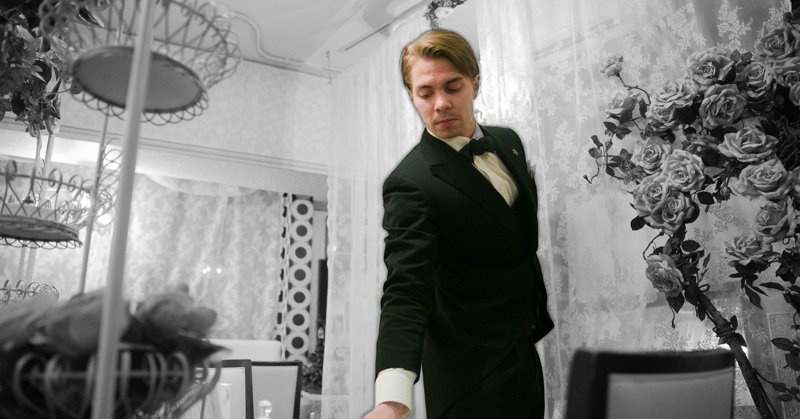
21. In Tokyo there is a ‘white man’ café where Japanese women ring a bell to summon tuxedo-clad Caucasians who reply ‘yes, princess?’ and serve them a cake.
22. Meth was invented in Japan. Initially it was used to suppress hunger and boost the energy of Japanese citizens. Later it was given to kamikaze pilots, soldiers, and wartime factory workers. It is now controlled and distributed by the Yakuza.
23. There is a hotel in Japan called Henn-na Hotel that is staffed by robots. The check-in desk is an animatronic velociraptor.
24. Japan requires people between the ages of 45 and 74 to have their waistlines measured once a year and to fall within an established range. Companies and local governments may face fines if their employees are overweight and do not meet these guidelines.
25. In 1993 a Japanese religious cult named Aum Shinrikyo released aerosolized Anthrax in a city near Tokyo over the course of two days. It should have killed thousands; however, they used a strain of Anthrax used for cattle vaccinations and inadvertently could have immunized everyone instead.








Add Comment